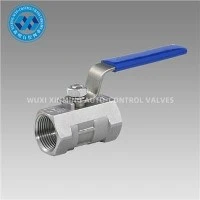
Hey there! As a supplier of vacuum ball valves, I've seen firsthand how different factors can mess with the lifespan of these valves. In this blog, I'll break down the key things that affect how long a vacuum ball valve lasts, so you can make smart choices when it comes to buying and using them.
Material Quality
Let's start with the materials. The quality of the materials used to make a vacuum ball valve has a huge impact on its lifespan. When it comes to the ball, the stem, and the body of the valve, using high - quality materials is a must.
Stainless steel is a popular choice for vacuum ball valves. It's resistant to corrosion, which is super important, especially if the valve is going to be used in environments where it'll come into contact with corrosive substances. For example, in chemical processing plants, where acids and alkalis are common, a valve made of low - quality steel will quickly start to corrode. This corrosion can lead to leaks, and ultimately, the valve will fail.
Brass is another material that's sometimes used. It's relatively inexpensive and has good machinability. However, it's not as corrosion - resistant as stainless steel. So, if you're in an environment with high humidity or corrosive gases, brass might not be the best option.
As a supplier, I always recommend going for valves made from high - grade materials. It might cost a bit more upfront, but it'll save you money in the long run because you won't have to replace the valve as often. Check out our Pneumatic Actuated Three - Way Stainless Steel Ball Valve which is made from top - notch stainless steel for long - lasting performance.
Operating Conditions
The way a vacuum ball valve is used can really shorten or extend its life. First up is the temperature. Extreme temperatures can cause the materials in the valve to expand or contract. If a valve is exposed to very high temperatures, the seals might start to break down. This can lead to leaks and a loss of vacuum. On the other hand, extremely low temperatures can make the materials brittle, increasing the risk of cracks.


Pressure is another big factor. Vacuum ball valves are designed to work within a certain pressure range. If the pressure exceeds this range, it can put a lot of stress on the valve components. For instance, the ball might get stuck or the seals might be damaged. Over time, this will lead to valve failure.
The media flowing through the valve also matters. If the media contains abrasive particles, it can wear down the ball and the seats of the valve. Think about a situation where a valve is used in a mining operation, and the fluid flowing through it has small rocks or sand particles. These particles will act like sandpaper on the valve's internal parts, gradually reducing its lifespan.
Installation and Maintenance
Proper installation is crucial for the long - term performance of a vacuum ball valve. If the valve isn't installed correctly, it can cause all sorts of problems. For example, if the valve isn't aligned properly, it can put uneven stress on the components. This can lead to premature wear and tear.
During installation, it's also important to make sure that the seals are installed correctly. A misaligned or damaged seal can cause leaks, which will not only affect the valve's performance but also reduce its lifespan.
Regular maintenance is just as important as proper installation. You should check the valve regularly for signs of wear, corrosion, or leaks. Lubricating the moving parts can also help to reduce friction and prevent premature wear. For example, the stem of the valve should be lubricated periodically to ensure smooth operation.
If you find any issues during maintenance, it's important to address them right away. Ignoring small problems can lead to bigger, more expensive issues down the line.
Actuation Type
The type of actuation used with a vacuum ball valve can also impact its lifespan. Manual actuation is simple and reliable. However, if the valve needs to be opened and closed frequently, it can be tiring for the operator, and there's a risk of improper operation.
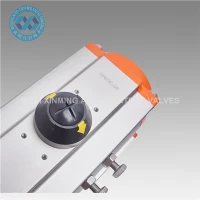
Pneumatic actuation is popular because it allows for quick and precise control. But the pneumatic system itself needs to be well - maintained. If there are issues with the air supply, such as dirt or moisture in the air, it can damage the actuator. This can lead to problems with the valve's operation and reduce its lifespan.
Our Pneumatic Actuator Three Way Stainless Steel Ball Valve is a great example of a valve with reliable pneumatic actuation. But remember, proper maintenance of the pneumatic system is key to ensuring a long lifespan.
Design and Manufacturing Quality
The design of the vacuum ball valve plays a significant role in how long it lasts. A well - designed valve will have features that reduce stress on the components. For example, a valve with a smooth internal surface will reduce the chances of debris getting stuck and causing wear.
The manufacturing quality is also crucial. Valves that are made with precision will have better - fitting components. This means less friction and less wear over time. As a supplier, I can tell you that investing in valves from a reputable manufacturer is worth it.
Connection Type
The way the vacuum ball valve is connected to the pipeline can affect its lifespan. Flange connections are common because they provide a secure and leak - proof connection. However, if the flanges aren't tightened properly, it can lead to leaks.
Threaded connections are another option. They're easier to install, but they're not as reliable as flange connections in high - pressure or high - vibration applications.
Check out our Flange Ball Valve for a reliable and long - lasting connection option.
In conclusion, there are many factors that affect the lifespan of a vacuum ball valve. From the materials used to the operating conditions, installation, maintenance, actuation type, design, and connection type, every aspect matters. By understanding these factors, you can make informed decisions when choosing a valve and ensure that it lasts as long as possible.
If you're in the market for a vacuum ball valve, don't hesitate to get in touch for more information. We can help you select the right valve for your specific needs and provide advice on installation and maintenance. Let's work together to find the best solution for your vacuum system!
References
- Valve Handbook, by J. S. Lean
- Industrial Valves: Selection, Specification, and Installation, by Robert E. Schexnayder