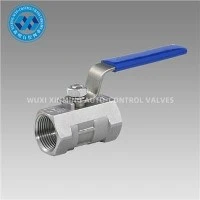
As a trusted supplier of thin ball valves, I've encountered numerous inquiries regarding valve leakage. This issue can be quite frustrating for users, as it not only affects the efficiency of the system but also leads to potential safety hazards and increased operational costs. In this blog, I'll delve into the various factors that can cause a thin ball valve to leak, providing you with a comprehensive understanding of the problem and how to address it.
1. Wear and Tear
One of the most common causes of thin ball valve leakage is wear and tear. Over time, the constant movement of the ball within the valve body can cause the sealing surfaces to degrade. This degradation can occur due to friction between the ball and the seats, especially in applications where the valve is frequently opened and closed. The high - pressure flow of fluids through the valve can also erode the sealing materials.
For instance, in industrial processes where abrasive fluids are transported, the particles in the fluid can act like sandpaper on the valve's internal components. The soft sealing materials, such as elastomers, are particularly vulnerable to this type of wear. As the sealing surfaces become rougher and less smooth, the valve loses its ability to form a tight seal, resulting in leakage.
To mitigate this issue, it's essential to choose high - quality materials for the ball and seats. Stainless Steel Ball Valve is a popular choice due to its excellent corrosion resistance and durability. Regular maintenance and inspection can also help detect early signs of wear and allow for timely replacement of worn components.
2. Improper Installation
Improper installation is another significant factor that can lead to thin ball valve leakage. If the valve is not installed correctly, it may not be able to function as intended. For example, if the valve is not aligned properly with the pipeline, it can cause uneven stress on the sealing surfaces. This uneven stress can prevent the ball from making full contact with the seats, creating gaps through which fluid can leak.
In addition, incorrect torque during the installation of the valve can also be a problem. Over - tightening the bolts can distort the valve body or damage the sealing gaskets, while under - tightening can result in loose connections. It's crucial to follow the manufacturer's installation instructions carefully, including the recommended torque values for the bolts.
Furthermore, the orientation of the valve matters. Some thin ball valves are designed to be installed in a specific direction, and installing them in the wrong orientation can cause leakage. For example, in a check valve, the flow direction must be correct for the valve to function properly.
3. Corrosion
Corrosion is a major concern in many valve applications, especially in environments where the fluid being transported is corrosive. When the ball, seats, or valve body are exposed to corrosive substances, the metal can start to deteriorate. This deterioration can lead to pitting, cracking, and the formation of holes in the valve components.
For example, in chemical processing plants where acids and alkalis are commonly used, the thin ball valve is at a high risk of corrosion. Even in water treatment systems, the presence of dissolved oxygen and other impurities can cause corrosion over time.
To prevent corrosion, it's important to select the right materials for the valve based on the nature of the fluid. Some materials, such as stainless steel and certain alloys, are more resistant to corrosion than others. Coating the valve components with anti - corrosion materials can also provide an additional layer of protection.
4. Contamination
Contamination in the fluid can cause thin ball valve leakage. Particles, debris, or foreign objects in the fluid can get trapped between the ball and the seats, preventing a proper seal. These contaminants can come from various sources, such as the pipeline itself, the fluid storage tank, or the manufacturing process.
For example, in a construction site water supply system, dirt and sand particles can enter the pipeline and cause problems for the thin ball valve. In a food processing plant, food residues or cleaning agents can contaminate the valve and lead to leakage.
Regular filtration of the fluid can help reduce the risk of contamination. Installing filters upstream of the valve can trap the particles before they reach the valve, ensuring a clean and smooth operation.
5. Pressure and Temperature Fluctuations
Fluctuations in pressure and temperature can also cause thin ball valve leakage. When the pressure in the system suddenly increases, it can put extra stress on the valve components. If the valve is not designed to handle such high - pressure spikes, the sealing materials may deform or rupture, leading to leakage.
Similarly, extreme temperature changes can affect the performance of the valve. Different materials expand and contract at different rates when exposed to temperature variations. If the ball and seats are made of materials with different coefficients of thermal expansion, the sealing surfaces may not fit together properly as the temperature changes.
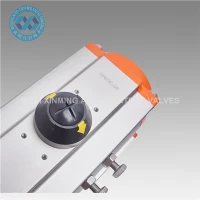
In applications where pressure and temperature fluctuations are common, it's important to choose a valve that is designed to withstand these conditions. 180 Degree Pneumatic Actuator 3 Way Ball Valve, 3 Way Ball Valve With Pneumatic Actuator can be a good option as it can be more responsive to changes in the system and maintain a better seal under varying conditions.
6. Design Defects
In some cases, design defects can be the root cause of thin ball valve leakage. A poorly designed valve may have inadequate sealing mechanisms or improper flow paths. For example, if the shape of the ball or the seats is not optimized, it may not be able to create a tight seal even under normal operating conditions.
Manufacturing errors can also contribute to design - related problems. Inconsistent dimensions, rough surfaces, or improper machining can all affect the valve's performance. As a supplier, we ensure that our thin ball valves are designed and manufactured to the highest standards, using advanced engineering techniques and quality control measures.
7. Seal Degradation
The seals in a thin ball valve play a crucial role in preventing leakage. Over time, the seals can degrade due to factors such as age, exposure to chemicals, and high temperatures. Elastomeric seals, in particular, are prone to degradation. They can become brittle, lose their elasticity, or swell when exposed to certain fluids.
For example, in a hot water system, the rubber seals in the thin ball valve may start to harden and crack over time. In a chemical plant, the seals may be attacked by the corrosive chemicals, causing them to break down.
Regular inspection and replacement of the seals are necessary to maintain the integrity of the valve. Sanitary Three Way Clamp Ball Valve With Pneumatic Actuator often uses high - quality seals that are designed to withstand harsh environments and provide long - lasting performance.


Conclusion
In conclusion, there are several factors that can cause a thin ball valve to leak, including wear and tear, improper installation, corrosion, contamination, pressure and temperature fluctuations, design defects, and seal degradation. As a supplier, we understand the importance of providing high - quality valves and comprehensive support to our customers.
If you're experiencing issues with thin ball valve leakage or are looking for a reliable valve solution, we're here to help. Our team of experts can assist you in selecting the right valve for your application, ensuring proper installation, and providing maintenance and repair services. Contact us today to start a procurement discussion and find the best thin ball valve solution for your needs.
References
- Valve Handbook, 4th Edition, by J. S. Holman
- Industrial Valves: Selection, Specification, and Sizing, by M. W. Kellogg