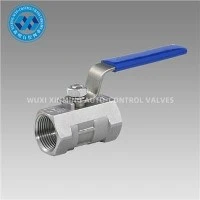
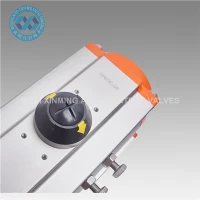
Hey there! As a supplier of Limit Switch Boxes, I often get asked a bunch of questions from folks in the industry. One question that pops up quite a bit is, "Can a limit switch box be connected to a PLC?" Well, let's dig into this topic and find out.
First off, let's quickly go over what a limit switch box and a PLC are. A limit switch box is a device that's used to detect the presence or absence of an object, or to determine the position of a moving part. It's like a little detective in the industrial world, telling you when something has reached a certain point. On the other hand, a Programmable Logic Controller (PLC) is a digital computer used for automation of industrial processes. It's the brain that can control machinery, sequences of operations, and all sorts of other things in a factory or industrial setting.
Now, to answer the big question: yes, a limit switch box can absolutely be connected to a PLC. In fact, it's a pretty common setup in many industrial applications. The limit switch box acts as an input device for the PLC. When the limit switch is triggered - say, when a conveyor belt reaches a certain end point or a valve is fully open or closed - it sends a signal to the PLC. The PLC then processes this signal and can take appropriate actions, like stopping a machine, starting another process, or sending an alert.
Let's talk about why you might want to connect a limit switch box to a PLC. One of the main reasons is automation. By integrating the limit switch box with the PLC, you can create a more efficient and reliable system. For example, in a manufacturing plant, you can use a limit switch box to detect when a product has reached a specific position on an assembly line. The PLC can then control the next step in the process, like adding a component or moving the product to the next station. This reduces the need for manual intervention and can improve the overall quality and speed of production.
Another benefit is flexibility. PLCs are highly programmable, which means you can easily change the logic and functions of your system. If you need to adjust the position at which the limit switch triggers or change the actions the PLC takes based on the signal, you can do it with just a few programming changes. This makes it easier to adapt to different production requirements or make improvements over time.
There are a few things to keep in mind when connecting a limit switch box to a PLC. First, you need to make sure that the electrical specifications of the limit switch box and the PLC are compatible. This includes things like voltage, current, and signal type. Most modern limit switch boxes and PLCs are designed to be easily interfaced, but it's still important to double - check.
You also need to consider the wiring. Proper wiring is crucial to ensure a reliable connection and prevent any electrical issues. Make sure to follow the manufacturer's instructions for both the limit switch box and the PLC when it comes to wiring. It's a good idea to use high - quality cables and connectors to minimize the risk of signal interference or loss.
Now, let me tell you a bit about some of the limit switch boxes we offer. We have a great Valve Position Indicator that's perfect for applications where you need to monitor the position of valves. It can be easily connected to a PLC and provides accurate and reliable position feedback.
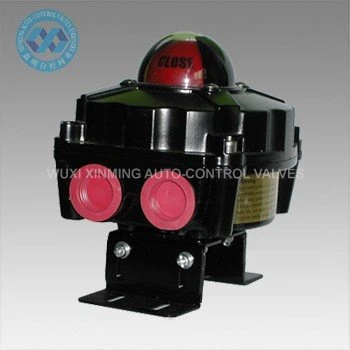
Our ISO 5211 Mechanical Limit Switch For Pneumatic Valves is another popular option. It's designed specifically for pneumatic valves and meets the ISO 5211 standard. This means it's a great choice for applications where you need a standardized and reliable limit switch solution.
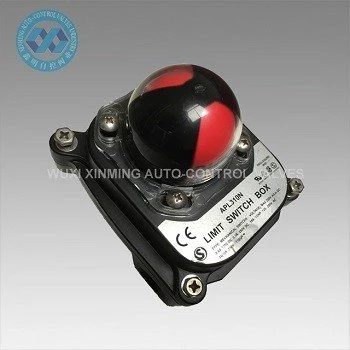
And then there's our APL210 Limit Switch Box. It's a versatile and durable limit switch box that can be used in a wide range of industrial applications. It's easy to install and can be connected to a PLC without any major headaches.
If you're thinking about setting up a system with a limit switch box connected to a PLC, or if you have any questions about our products, don't hesitate to reach out. We're here to help you find the right solution for your specific needs. Whether you're a small - scale manufacturer or a large industrial facility, we've got the expertise and the products to make your automation project a success.
In conclusion, connecting a limit switch box to a PLC is a great way to enhance the automation and efficiency of your industrial processes. With the right products and proper installation, you can create a reliable and flexible system that meets your production requirements. So, if you're in the market for a limit switch box or need help with your PLC integration, give us a shout. We'd love to work with you and help you take your industrial operations to the next level.
References
- General knowledge of industrial automation and limit switch box applications.
- Product specifications and documentation of the limit switch boxes mentioned in the article.