As a supplier of 220V solenoid valves, I've encountered numerous inquiries regarding the adjustment of the flow rate of these valves. It's a critical aspect that many users, from industrial operators to DIY enthusiasts, need to understand to ensure optimal performance of their systems. In this blog post, I'll share some in - depth knowledge on how to adjust the flow rate of a 220V solenoid valve.
Understanding the Basics of 220V Solenoid Valves
Before delving into the flow rate adjustment, it's essential to have a basic understanding of what a 220V solenoid valve is. A solenoid valve is an electromechanically operated valve. The valve is controlled by an electric current through a solenoid: in the case of a 220V solenoid valve, it operates on a 220 - volt power supply. These valves are widely used in various applications, including water treatment plants, industrial automation systems, and HVAC systems.


The flow rate of a solenoid valve refers to the volume of fluid (liquid or gas) that passes through the valve per unit of time. It is usually measured in liters per minute (L/min) or cubic meters per hour (m³/h). Several factors can affect the flow rate, such as the valve size, the pressure differential across the valve, and the viscosity of the fluid.
Factors Affecting Flow Rate
Valve Size
The physical size of the valve plays a significant role in determining the flow rate. Larger valves generally have a higher flow capacity because they offer a larger cross - sectional area for the fluid to pass through. When selecting a 220V solenoid valve, it's crucial to choose the appropriate size based on the required flow rate of your system. You can refer to our 220V Solenoid Valve product page to find the right size for your application.
Pressure Differential
The pressure difference between the inlet and the outlet of the valve is another critical factor. A higher pressure differential usually results in a higher flow rate. However, there are limits to how much pressure the valve can handle. Exceeding the maximum pressure rating of the valve can lead to valve failure or leakage.
Fluid Viscosity
Viscosity is a measure of a fluid's resistance to flow. Fluids with high viscosity, such as oils, flow more slowly than fluids with low viscosity, like water. When dealing with high - viscosity fluids, you may need to adjust the valve settings or choose a valve specifically designed for such fluids.
Methods of Adjusting Flow Rate
Manual Adjustment
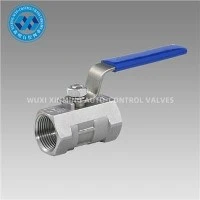
Some 220V solenoid valves come with a manual adjustment feature. This can be in the form of a needle valve or a throttle valve attached to the main solenoid valve. By turning a screw or a knob, you can change the opening size of the valve, thereby adjusting the flow rate. This method is relatively simple and is suitable for applications where the flow rate doesn't need to be adjusted frequently.
Using a Valve Positioner
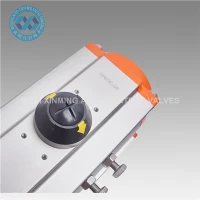
A more precise way to adjust the flow rate is by using a valve positioner. A valve positioner is a device that ensures the valve reaches and maintains the desired position. The YT1000L 4~20mA Electric/pneumatic Valve Positioner is a great example of such a device. It can receive a control signal (usually in the form of a 4 - 20mA current) and adjust the valve position accordingly. This method is ideal for applications that require accurate and continuous flow rate control, such as in chemical processing plants.
Variable Frequency Drive (VFD)
In some cases, a Variable Frequency Drive can be used to adjust the flow rate. A VFD changes the frequency of the electrical power supplied to the solenoid valve, which in turn affects the speed and opening of the valve. This method is more commonly used in systems where the pump or compressor is also controlled by a VFD, allowing for coordinated control of the entire system.
Step - by - Step Guide for Flow Rate Adjustment
Step 1: Safety First
Before making any adjustments to the valve, ensure that the power supply is turned off to prevent electrical shock. Also, relieve the pressure in the system to avoid any sudden release of fluid.
Step 2: Identify the Adjustment Method
Determine which method of adjustment is appropriate for your valve. If it's a manual adjustment, locate the adjustment screw or knob. If you're using a valve positioner or a VFD, make sure they are properly installed and connected.
Step 3: Make Initial Adjustments
If you're using manual adjustment, start by making small adjustments to the valve opening. If using a valve positioner, set the desired control signal according to the required flow rate. Monitor the flow rate using a flow meter, which can be installed in the system.
Step 4: Fine - Tuning
Continuously monitor the flow rate and make further adjustments as needed. It may take a few tries to achieve the exact flow rate you want. Keep in mind that small changes can have a significant impact on the flow rate, so make adjustments slowly.
Step 5: Testing and Verification
Once you think you've achieved the desired flow rate, let the system run for a while to ensure the flow rate remains stable. Check for any leaks or abnormal noises in the system. If everything is working properly, you can consider the adjustment successful.
Troubleshooting
Low Flow Rate
If you're experiencing a low flow rate, first check if the valve is fully open. If it is, check for blockages in the valve or the piping system. Also, verify that the pressure differential across the valve is within the acceptable range.
High Flow Rate
A high flow rate may be due to an incorrect valve setting or a malfunction in the valve positioner. Check the adjustment settings and the operation of the positioner. If the problem persists, there may be an issue with the valve itself, and it may need to be replaced.
Importance of Proper Flow Rate Adjustment
Proper flow rate adjustment is crucial for the efficient and safe operation of any system that uses a 220V solenoid valve. Incorrect flow rates can lead to various problems, such as reduced system performance, increased energy consumption, and even equipment damage. For example, in a water treatment plant, an incorrect flow rate can affect the effectiveness of the treatment process.
Conclusion
Adjusting the flow rate of a 220V solenoid valve is a process that requires a good understanding of the valve's operation and the factors that affect flow rate. Whether you choose manual adjustment, use a valve positioner, or a VFD, following the proper steps and troubleshooting methods can help you achieve the desired flow rate.
If you're in the market for a 220V solenoid valve or need more information on flow rate adjustment, we're here to help. Our Pneumatic Air Control Solenoid Valve Fast Response Type is also a great option for many applications. Contact us for more details and to start a procurement discussion. We look forward to working with you to meet your solenoid valve needs.
References
- "Solenoid Valves: Selection, Application, and Maintenance" by Industrial Valve Handbook
- "Fluid Mechanics for Engineers" by McGraw - Hill Education