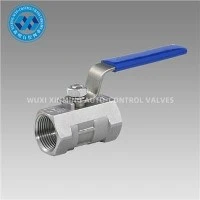
Can a PVC ball valve be used in a chilled water system? This is a question that often arises among professionals in the HVAC (Heating, Ventilation, and Air Conditioning) and plumbing industries. As a PVC ball valve supplier, I've encountered this query numerous times, and in this blog post, I'll delve into the details to provide a comprehensive answer.
Understanding Chilled Water Systems
Before we discuss the suitability of PVC ball valves for chilled water systems, it's essential to understand what chilled water systems are and how they operate. Chilled water systems are a crucial part of many commercial and industrial HVAC setups. They work by circulating chilled water through pipes to cool buildings or industrial processes. The chilled water absorbs heat from the surrounding environment and then returns to the chiller to be cooled again.
These systems typically operate within a specific temperature range, usually between 40°F (4°C) and 60°F (16°C). The water used in chilled water systems is often treated to prevent corrosion, scaling, and biological growth. Additionally, the system may operate under varying pressures, depending on the size and design of the installation.
Advantages of Using PVC Ball Valves in Chilled Water Systems
1. Corrosion Resistance
One of the primary advantages of PVC (Polyvinyl Chloride) ball valves is their excellent corrosion resistance. Chilled water systems often use treated water, which can still contain chemicals and minerals that may cause corrosion in metal valves. PVC is inherently resistant to a wide range of chemicals, making it an ideal material for applications where corrosion is a concern. This resistance helps to extend the lifespan of the valve and reduces the need for frequent replacements, ultimately saving on maintenance costs.
2. Cost-Effectiveness
PVC ball valves are generally more affordable than their metal counterparts, such as Stainless Steel Ball Valves. This cost advantage can be significant, especially in large-scale chilled water system installations where multiple valves are required. The lower cost of PVC valves allows for more budget-friendly system designs without compromising on functionality.
3. Lightweight and Easy to Install
PVC is a lightweight material, which makes PVC ball valves easier to handle and install compared to heavier metal valves. This can reduce labor costs during installation, as less effort is required to lift and position the valves. Additionally, PVC valves can be easily cut and joined using simple tools, further simplifying the installation process.
4. Low Friction Loss
PVC ball valves have a smooth interior surface, which results in low friction loss when water flows through them. This means that the system can operate more efficiently, requiring less energy to pump the chilled water. Lower friction loss also helps to maintain consistent water flow rates, which is essential for the proper functioning of the chilled water system.
Limitations of Using PVC Ball Valves in Chilled Water Systems
1. Temperature Limitations
While PVC ball valves are suitable for use in chilled water systems operating within the typical temperature range of 40°F (4°C) to 60°F (16°C), they have a limited temperature tolerance. PVC can become brittle at low temperatures and may deform or lose its strength at high temperatures. Therefore, it's crucial to ensure that the chilled water system operates within the recommended temperature range for PVC valves. If the system experiences temperature fluctuations outside of this range, alternative valve materials may be more appropriate.
2. Pressure Limitations
PVC ball valves also have pressure limitations. They are generally designed for use in low to medium-pressure applications. In high-pressure chilled water systems, the stress on the PVC valve may cause it to fail. It's important to carefully select the appropriate valve size and pressure rating based on the specific requirements of the chilled water system. If the system operates at high pressures, Flange Ball Valves or other high-pressure valve options may be necessary.
3. UV Sensitivity
PVC is sensitive to ultraviolet (UV) radiation. If the PVC ball valves are installed in an area exposed to direct sunlight, the UV rays can cause the material to degrade over time. This degradation can lead to cracking, discoloration, and a reduction in the valve's performance. To prevent UV damage, PVC valves should be installed in shaded areas or protected with UV-resistant coatings.
Factors to Consider When Using PVC Ball Valves in Chilled Water Systems
1. Water Quality
The quality of the water in the chilled water system can have a significant impact on the performance of PVC ball valves. As mentioned earlier, the water is often treated to prevent corrosion and biological growth. However, certain chemicals or additives used in water treatment may react with PVC over time. It's important to consult with a water treatment specialist to ensure that the water chemistry is compatible with PVC valves.
2. System Design
The design of the chilled water system, including the layout of the pipes, the flow rate requirements, and the operating pressure, should be carefully considered when selecting PVC ball valves. The valves should be sized appropriately to ensure proper flow control and to prevent excessive pressure drop. Additionally, the system should be designed to minimize temperature fluctuations and pressure surges, which can put stress on the valves.
3. Maintenance
Regular maintenance is essential to ensure the long-term performance of PVC ball valves in chilled water systems. This includes inspecting the valves for signs of wear, leakage, or damage, and replacing any worn or damaged components as needed. It's also important to keep the valves clean and free from debris to prevent blockages and ensure smooth operation.
Conclusion
In conclusion, PVC ball valves can be used in chilled water systems under the right conditions. Their corrosion resistance, cost-effectiveness, lightweight design, and low friction loss make them an attractive option for many applications. However, it's important to be aware of their limitations, such as temperature and pressure restrictions, and to take appropriate measures to ensure their proper use.


If you're considering using PVC ball valves in your chilled water system, I encourage you to reach out to us for more information. As a PVC ball valve supplier, we have the expertise and experience to help you select the right valves for your specific needs. Whether you need Vacuum Ball Valves for a specialized application or standard PVC ball valves for a general chilled water system, we can provide you with high-quality products and excellent customer service. Contact us today to discuss your requirements and start a procurement negotiation.
References
- ASHRAE Handbook - HVAC Systems and Equipment. American Society of Heating, Refrigerating and Air-Conditioning Engineers.
- "Plastic Piping Systems: Design, Installation, and Maintenance." Technical publication by the Plastic Pipe and Fittings Association.
- Manufacturer's specifications and technical data sheets for PVC ball valves.