Hey there! As a supplier of PVC butterfly valves, I often get asked a bunch of questions. One question that pops up quite a bit is, "Can a PVC butterfly valve be used for high - temperature applications?" Well, let's dig into this topic and find out.
First off, let's talk a bit about PVC butterfly valves. These valves are super popular in many industries. They're known for being cost - effective, lightweight, and easy to install. PVC, which stands for polyvinyl chloride, is a type of plastic that has a lot of advantages. It's resistant to corrosion, so it can handle different types of chemicals without getting damaged easily.
In normal, everyday applications, PVC butterfly valves work like a charm. They're great for things like water treatment plants, where the temperature of the water is usually pretty mild. They can also be used in some food and beverage industries because PVC is generally considered safe for contact with food under certain conditions.
But when it comes to high - temperature applications, things get a bit tricky. PVC has its limitations when it comes to heat. You see, PVC starts to soften at relatively low temperatures compared to some other materials. The softening point of PVC is typically around 70 - 80 degrees Celsius (158 - 176 degrees Fahrenheit). Once it reaches this temperature, the valve can start to lose its shape. And if the shape of the valve changes, it won't be able to function properly.
For example, if the disc of the butterfly valve starts to warp due to high heat, it won't be able to seal tightly against the valve seat. This can lead to leaks, which is a big no - no in many industrial settings. Leaks can cause all sorts of problems, from wasting valuable fluids to creating safety hazards.
Another issue with using PVC butterfly valves in high - temperature applications is that the material can become brittle over time when exposed to heat. Brittle PVC is more likely to crack, and a cracked valve is basically useless. It can't control the flow of the fluid effectively, and it might even break apart completely, causing a major disruption in the system.
So, in most cases, I'd say it's not a good idea to use PVC butterfly valves for high - temperature applications. But there are always exceptions. Some manufacturers have come up with modified PVC materials that can withstand higher temperatures. These special PVCs might have additives or different formulations that give them better heat resistance. However, even these modified PVCs have their limits, and they're usually still not suitable for extremely high - temperature environments.
If you're dealing with high - temperature applications, you might want to consider other types of valves. For instance, Lug Butterfly Valve made from materials like stainless steel or cast iron can handle much higher temperatures. Stainless steel is known for its excellent heat resistance and durability. It can withstand temperatures well above what PVC can handle, making it a great choice for high - temperature industrial processes.
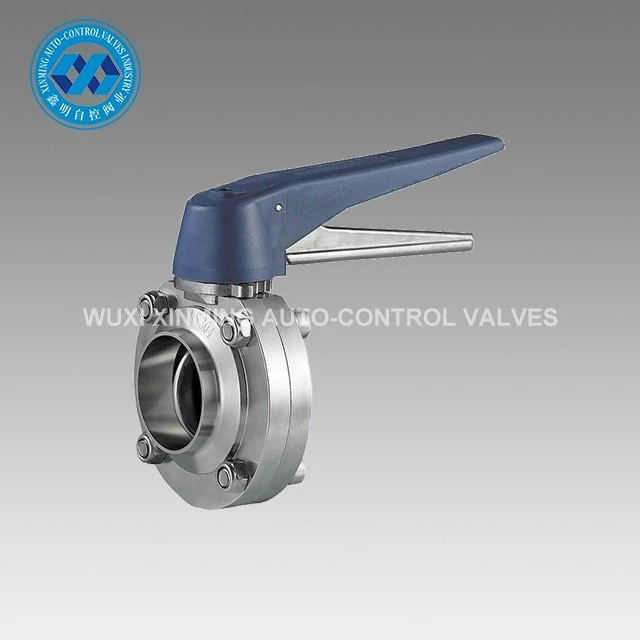
Another option is the Sanitary Butterfly Valve. These valves are often used in industries where hygiene is crucial, like the food and pharmaceutical industries. They can also be made from materials that are more heat - resistant than PVC, so they can be used in applications where there's a bit of heat involved.
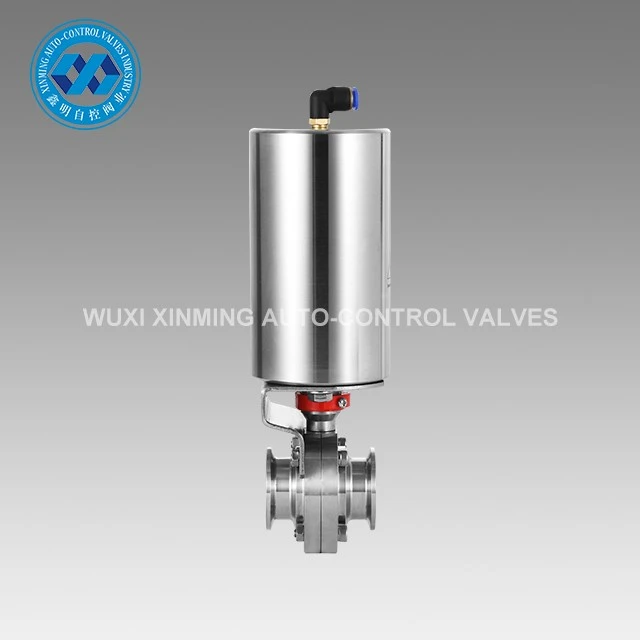
And if you need to automate the operation of your valve, you might want to check out the Bary Butterfly Valve Actuator. This actuator can be paired with different types of butterfly valves to control the opening and closing of the valve remotely. It's a great addition to any valve system, especially in high - tech industrial setups.
Now, I know I've been talking mostly about the limitations of PVC butterfly valves for high - temperature applications, but that doesn't mean they don't have their place. In low - temperature applications, they're still a fantastic choice. They're affordable, easy to maintain, and they get the job done.
If you're not sure whether a PVC butterfly valve is right for your application, don't hesitate to reach out. I've been in the business for a while, and I can help you figure out the best valve for your specific needs. Whether it's a PVC valve for a low - temperature job or a more heat - resistant valve for a high - temperature application, I've got you covered.
We can have a chat about your requirements, the temperature range you're dealing with, and the type of fluid you're working with. Based on that information, I can recommend the most suitable valve for your project. And if you decide to go ahead with a purchase, I'll make sure you get a high - quality valve at a competitive price.
So, if you're in the market for a butterfly valve, give me a shout. Let's have a conversation and find the perfect valve for your application. Whether it's a PVC butterfly valve or another type, I'm here to help you make the right choice.
References
- "Plastic Materials: Properties and Testing" by John Murphy
- "Valve Handbook: Principles and Applications" by Nathaniel Lee