As a supplier of soft - seal ball valves, I often get asked a pretty common question: "Can a soft - seal ball valve be installed horizontally?" Well, let's dig into this topic and find out the answer.
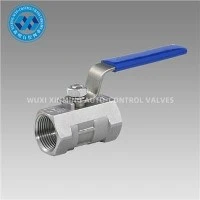
First off, let's understand what a soft - seal ball valve is. A soft - seal ball valve is a type of valve that uses a soft sealing material, like rubber or PTFE, to create a tight seal between the ball and the seats. This type of valve is great for a wide range of applications, from water systems to chemical processing. It's known for its good sealing performance, low torque requirements, and relatively long service life.
Now, the big question: can it be installed horizontally? The short answer is yes, a soft - seal ball valve can be installed horizontally. In fact, horizontal installation is quite common in many industrial and commercial settings. But there are a few things to keep in mind when you're doing this.
One of the main advantages of horizontal installation is that it can be more convenient in terms of space and pipe layout. In a lot of buildings or industrial facilities, the pipes are laid out horizontally, so it just makes sense to install the valve in the same orientation. It can also make maintenance and inspection easier. When the valve is installed horizontally, it's often easier to access the different parts of the valve for cleaning, repair, or replacement.


However, there are also some potential issues with horizontal installation. One of the biggest concerns is the potential for sediment or debris to accumulate in the valve. When the valve is installed horizontally, there's a chance that dirt, sand, or other particles can settle at the bottom of the valve body. Over time, this can cause wear and tear on the soft seal, leading to leaks or reduced performance. To mitigate this problem, you can install a filter upstream of the valve to remove as much debris as possible before it reaches the valve.
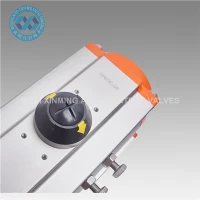
Another thing to consider is the orientation of the actuator, if the valve has one. For Electrical Ball Valve or those with a pneumatic actuator, the actuator needs to be installed in a way that it can operate properly. In a horizontal installation, you need to make sure that the actuator is mounted securely and that its movement is not restricted. For example, if it's a pneumatic actuator, you need to ensure that the air supply lines are properly connected and that there's no risk of the actuator getting clogged or damaged due to the horizontal position.
The design of the valve itself also plays a role. Some soft - seal ball valves are specifically designed to be more suitable for horizontal installation. These valves may have features like a self - cleaning mechanism or a special internal shape that helps prevent debris accumulation. When choosing a valve for horizontal installation, it's a good idea to look for these types of features.
Let's talk about the different types of soft - seal ball valves and how they fare in horizontal installation. 2PC Thread Ball Valve is a popular choice. These valves are relatively easy to install and are commonly used in smaller - scale applications. When installed horizontally, they generally work well as long as the pipe system is kept relatively clean. The two - piece design allows for easy disassembly for maintenance, which is a plus in a horizontal setup.
On the other hand, Pneumatic Actuator Three Way Stainless Steel Ball Valve is a more complex valve. It has three ports and is often used in applications where flow direction needs to be changed. When installing this type of valve horizontally, you need to pay extra attention to the actuator and the alignment of the ports. The pneumatic actuator needs to be carefully adjusted to ensure smooth operation, and the ports need to be properly oriented to avoid any flow restrictions.
In terms of installation process, when installing a soft - seal ball valve horizontally, you should follow the manufacturer's instructions carefully. Make sure the valve is properly aligned with the pipes and that all the connections are tight. Use the right tools for the job, like wrenches or screwdrivers, to ensure a secure installation. Also, check the valve for any damage or defects before installation.
After installation, it's important to test the valve. Open and close the valve a few times to make sure it operates smoothly. Check for any leaks around the connections or the valve body. If you notice any issues, it's best to address them right away.
To sum it up, a soft - seal ball valve can definitely be installed horizontally, but it's important to be aware of the potential challenges and take the necessary precautions. Whether you're dealing with a simple 2PC Thread Ball Valve or a more advanced Pneumatic Actuator Three Way Stainless Steel Ball Valve, proper installation and maintenance are key to ensuring the valve works well and has a long service life.
If you're in the market for soft - seal ball valves or have any questions about their installation, whether horizontal or otherwise, I'd love to have a chat with you. We're here to help you find the right valve for your specific needs and provide all the support you need for a successful installation. Feel free to reach out to start a conversation about your valve requirements and how we can work together to meet them.
References
- Valve Handbook: A Guide to Valve Technology and Applications
- Industrial Valve Installation and Maintenance Manuals