Can a thread ball valve be used in an irrigation system?
As a supplier of thread ball valves, I often get asked whether our products can be effectively used in irrigation systems. In this blog post, I'll explore the suitability of thread ball valves for irrigation, discussing their advantages, potential limitations, and how they compare to other valve types commonly used in this field.
Understanding Thread Ball Valves
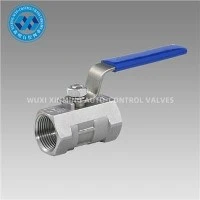
Before delving into their application in irrigation systems, let's briefly understand what thread ball valves are. A thread ball valve is a type of quarter - turn valve that uses a ball with a hole in the middle to control the flow of fluid. The ball rotates within the valve body, and when the hole in the ball aligns with the flow path, fluid can pass through. When the ball is rotated 90 degrees, the flow is shut off. The "thread" in thread ball valves refers to the threaded connections, which allow for easy installation and connection to pipes.
Advantages of Using Thread Ball Valves in Irrigation Systems
1. Simple Operation
One of the primary advantages of thread ball valves in an irrigation system is their simplicity of operation. A simple quarter - turn of the valve handle can fully open or close the valve. This makes it easy for users, whether they are farmers, gardeners, or professional landscapers, to control the water flow in the irrigation system. For example, if you need to quickly shut off the water supply to a particular section of the garden during maintenance, a thread ball valve can be operated with just a flick of the wrist.
2. Reliable Sealing
Thread ball valves provide excellent sealing performance. The ball inside the valve creates a tight seal against the valve seats when closed, preventing any water leakage. This is crucial in an irrigation system, as even a small leak can lead to significant water wastage over time. Moreover, the reliable sealing ensures that the water pressure in the system is maintained, allowing for efficient water distribution to all areas of the irrigation network.
3. Durability
Most thread ball valves are made from high - quality materials such as brass, stainless steel, or PVC. These materials are resistant to corrosion, wear, and tear, making the valves suitable for long - term use in irrigation systems. For instance, stainless steel thread ball valves are particularly well - suited for outdoor irrigation systems where they are exposed to the elements, including rain, sunlight, and varying temperatures. Their durability means that they require less frequent replacement, reducing the overall maintenance costs of the irrigation system.
4. Cost - Effective
Compared to some other types of valves, thread ball valves are relatively inexpensive. This makes them an attractive option for both small - scale and large - scale irrigation projects. Whether you are setting up a simple home garden irrigation system or a large agricultural irrigation network, thread ball valves can provide a cost - effective solution for controlling water flow.
Potential Limitations
1. Flow Regulation
While thread ball valves are great for on - off control, they are not as precise when it comes to flow regulation. In some irrigation applications, such as drip irrigation systems where a very precise flow rate needs to be maintained, a thread ball valve may not be the best choice. In such cases, other types of valves like needle valves or flow control valves may be more suitable. However, for most general irrigation applications where simple on - off control is sufficient, this limitation is not a major concern.
2. Water Hammer
In some situations, the rapid opening and closing of thread ball valves can cause water hammer in the irrigation system. Water hammer is a pressure surge or wave that occurs when the flow of water is suddenly stopped or changed. This can potentially damage the pipes, fittings, and other components of the irrigation system. To mitigate this issue, it may be necessary to install additional devices such as water hammer arrestors or use a valve with a slower closing mechanism.
Comparison with Other Valve Types
1. Gate Valves
Gate valves are another common type of valve used in irrigation systems. Unlike thread ball valves, gate valves require multiple turns of the valve stem to open or close. This makes them slower to operate compared to thread ball valves. Additionally, gate valves may not provide as tight a seal as thread ball valves, especially when they are partially open. However, gate valves are better suited for applications where a large flow rate needs to be controlled, as they have a larger opening area when fully open.
2. Globe Valves
Globe valves are often used for flow regulation in irrigation systems. They offer better control over the flow rate compared to thread ball valves. However, globe valves are more complex in design and are generally more expensive. They also have a higher pressure drop across the valve, which can reduce the overall efficiency of the irrigation system.

Our Product Range
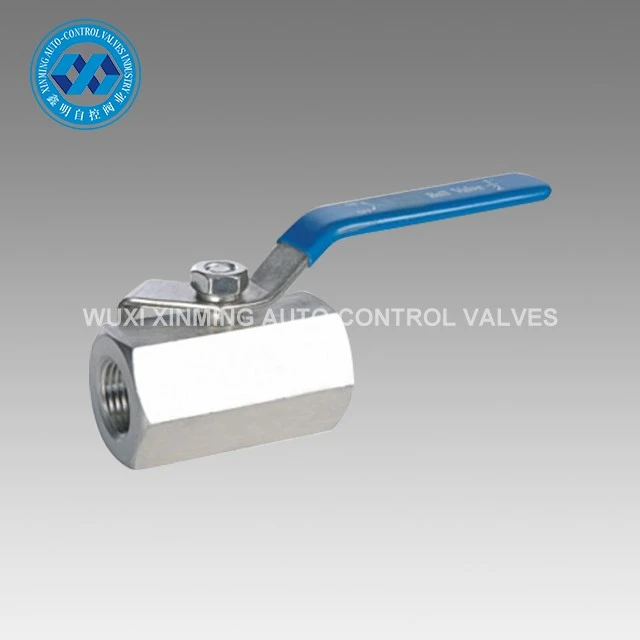
As a thread ball valve supplier, we offer a wide range of products to meet the diverse needs of irrigation systems. Our 1PC Thread Ball Valve is a popular choice for small - scale irrigation projects. It is made from high - quality materials and provides reliable performance at an affordable price.
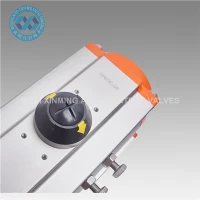
For more complex irrigation systems, we also offer High Quality Stainless Steel Pneumatic Three - way Ball Valve. These valves are suitable for applications where automatic control of the water flow is required. The pneumatic actuator allows for remote operation, making it convenient for large - scale agricultural or commercial irrigation systems.
Another product in our range is the 3 Way Ball Valve With 180 Degree Turn Pneumatic Actuator. This valve is ideal for applications where the water flow needs to be redirected between different pipes or sections of the irrigation system.
Conclusion
In conclusion, thread ball valves can be a great addition to an irrigation system. Their simplicity of operation, reliable sealing, durability, and cost - effectiveness make them a popular choice for many irrigation applications. While they do have some limitations, such as limited flow regulation and the potential for water hammer, these issues can be managed with proper system design and additional components.
If you are considering using thread ball valves in your irrigation system or have any questions about our product range, we encourage you to contact us for further information. Our team of experts is always ready to assist you in selecting the right valve for your specific needs. We look forward to discussing your irrigation requirements and helping you find the best valve solutions.
References
- "Valve Handbook", Valve Manufacturers Association
- "Irrigation System Design and Installation Guide", American Society of Agricultural and Biological Engineers