When it comes to industrial automation and fluid control systems, pneumatic actuators play a crucial role. As a pneumatic actuator supplier, I often get asked about the cost of these essential components. Understanding the cost of a pneumatic actuator is not a straightforward matter, as it involves multiple factors that influence the final price. In this blog post, I'll delve into the various elements that contribute to the cost of a pneumatic actuator and provide insights to help you make informed purchasing decisions.
Factors Affecting the Cost of Pneumatic Actuators
1. Type of Pneumatic Actuator
There are different types of pneumatic actuators available in the market, each with its own design and functionality. The most common types include single - acting and double - acting actuators.
Single - acting pneumatic actuators use air pressure to move the actuator in one direction, while a spring returns it to its original position. Double - acting actuators use air pressure to move the actuator in both directions. The Single - acting And Double - acting Of AW Scotch Yoke Pneumatic Actuators page on our website provides detailed information about these two types. Generally, double - acting actuators are more complex in design and tend to be more expensive than single - acting ones due to the additional components required for bidirectional movement.
2. Size and Torque Requirements
The size of a pneumatic actuator is directly related to its torque output. Torque is the rotational force that the actuator can generate to operate a valve or other mechanical device. Larger actuators with higher torque capabilities require more materials and advanced manufacturing processes. For instance, if you need to operate a large industrial valve with high flow rates, you'll need a pneumatic actuator with a high torque output. This will result in a higher cost compared to a smaller actuator used for a low - flow valve.
3. Material of Construction
The materials used to build a pneumatic actuator significantly impact its cost. Actuators can be made from various materials such as aluminum, stainless steel, and carbon steel. Aluminum actuators are lightweight and corrosion - resistant, making them suitable for many general applications. They are relatively less expensive compared to stainless - steel actuators.
Stainless - steel actuators, on the other hand, offer superior corrosion resistance and are ideal for harsh environments where the actuator may be exposed to chemicals, moisture, or extreme temperatures. However, the cost of stainless steel is higher, and the manufacturing process for stainless - steel actuators is more involved, leading to a higher price tag.
4. Brand and Quality
Well - known brands in the pneumatic actuator industry often charge a premium for their products. These brands have a reputation for quality, reliability, and excellent customer support. When you purchase a product from a reputable brand, you're not only paying for the actuator itself but also for the peace of mind that comes with knowing you're getting a high - quality, long - lasting product.
Our company, as a trusted pneumatic actuator supplier, focuses on providing high - quality products that meet industry standards. We invest in research and development to ensure that our actuators are reliable and efficient, which may be reflected in the price but offers long - term value to our customers.
5. Additional Features and Accessories
Pneumatic actuators can come with a variety of additional features and accessories that can increase their cost. For example, some actuators may have position indicators, which allow operators to easily monitor the position of the actuator. Others may have limit switches that can be used to control the movement of the actuator and trigger other actions in the system.
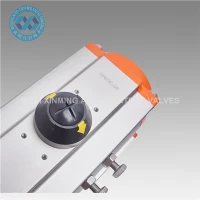
The Rotary Pneumatic Valve Actuator on our website may come with optional features that enhance its functionality. Additionally, if you need special coatings or seals to protect the actuator from specific environmental conditions, these will also add to the overall cost.
Cost Range of Pneumatic Actuators
The cost of a pneumatic actuator can vary widely depending on the factors mentioned above. Small, single - acting actuators with low torque requirements and made from basic materials can cost as little as a few hundred dollars. These are typically used in simple applications such as small - scale manufacturing or laboratory equipment.
On the other hand, large, double - acting actuators with high torque capabilities, made from high - quality materials like stainless steel, and equipped with advanced features can cost several thousand dollars or more. These are commonly used in heavy - duty industrial applications such as oil and gas refineries, chemical plants, and power generation facilities.
Cost - Benefit Analysis
When considering the cost of a pneumatic actuator, it's important to conduct a cost - benefit analysis. A cheaper actuator may seem like a good option in the short term, but it may not be reliable or durable in the long run. This could lead to frequent breakdowns, increased maintenance costs, and production downtime.


On the other hand, investing in a high - quality, more expensive actuator can result in lower maintenance costs, longer service life, and improved system performance. For example, a stainless - steel actuator may cost more upfront but can save you money in the long term by reducing the need for replacement parts and repairs in a corrosive environment.
How to Get the Best Value for Your Money
As a pneumatic actuator supplier, we recommend the following steps to get the best value for your money:
- Define Your Requirements Clearly: Before making a purchase, determine your specific requirements in terms of torque, size, material, and any additional features. This will help you narrow down your options and avoid over - or under - investing in an actuator.
- Compare Different Brands and Suppliers: Don't just settle for the first actuator you find. Research different brands and suppliers, compare their prices, product features, and customer reviews. This will give you a better understanding of the market and help you find the best deal.
- Consider Long - Term Costs: Look beyond the initial purchase price and consider the long - term costs associated with the actuator. This includes maintenance, energy consumption, and the cost of replacement parts.
Our Pneumatic Actuator Offerings
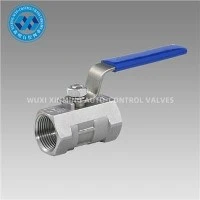
We offer a wide range of pneumatic actuators to meet the diverse needs of our customers. Our Pneumatic Thread Ball Valve is a popular product that combines reliability and affordability. Whether you need a small, single - acting actuator for a simple application or a large, high - torque actuator for a heavy - duty industrial process, we have the right solution for you.
Contact Us for Purchasing and Negotiation
If you're interested in purchasing pneumatic actuators or need more information about our products, we encourage you to contact us. Our team of experts is ready to assist you in selecting the right actuator for your specific requirements and to discuss pricing and negotiation options. We believe in providing personalized solutions and excellent customer service to ensure that you get the best value for your investment.
References
- "Pneumatic Actuators: Principles, Selection, and Application" - Industrial Automation Handbook
- Various industry reports on pneumatic actuator technology and market trends.