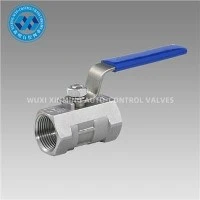
Hey there! As a supplier of 110V Solenoid Valves, I often get asked about how to check for leakage in these valves. Leakage can be a real pain, causing inefficiencies, wasting resources, and potentially leading to bigger problems down the line. So, in this blog post, I'm gonna share some practical ways to check for leakage in a 110V solenoid valve.
Why Checking for Leakage Matters
First off, let's talk about why it's so important to check for leakage. A leaking solenoid valve can lead to all sorts of issues. For one, it can cause a loss of pressure in your system. If you're using the valve in a pneumatic or hydraulic system, that means your equipment might not work as efficiently as it should. You could end up with slower operation, reduced power, and even damage to other components.
Leakage can also be a safety hazard. If the fluid or gas that the valve is controlling is toxic, flammable, or under high pressure, a leak could pose a serious risk to people and property. And let's not forget about the cost. Wasting fluid or gas due to a leak can add up over time, hitting your bottom line.
Tools You'll Need
Before you start checking for leakage, you'll need a few tools. Here's a list of what you'll typically need:
- Pressure Gauge: This is essential for measuring the pressure in your system. You can use it to see if the pressure is dropping, which could indicate a leak.
- Soap Solution: A simple mixture of water and soap can be used to detect leaks. When you apply the solution to the valve, any leaks will cause bubbles to form.
- Leak Detector: There are different types of leak detectors available, such as electronic leak detectors and ultrasonic leak detectors. These can be more sensitive than the soap solution method and can detect smaller leaks.
- Wrenches and Screwdrivers: You may need these to open up the valve or remove any covers to access the internal components.
Visual Inspection
The first step in checking for leakage is a visual inspection. Start by looking at the valve itself. Check for any signs of damage, such as cracks, dents, or corrosion. These can be indicators that the valve is not sealing properly and could be leaking.
Inspect the connections between the valve and the pipes or hoses. Look for any signs of fluid or gas seeping out. Check the gaskets and seals for wear or damage. If you see any signs of leakage around the connections, you may need to tighten the fittings or replace the gaskets.
Pressure Test
Once you've done the visual inspection, it's time to do a pressure test. This is where the pressure gauge comes in handy.
- Isolate the Valve: Make sure the valve is isolated from the rest of the system. This means closing any upstream and downstream valves to prevent fluid or gas from flowing through the valve during the test.
- Apply Pressure: Use a pump or compressor to apply pressure to the valve. The pressure should be within the operating range of the valve. Refer to the valve's specifications for the recommended pressure.
- Monitor the Pressure: Watch the pressure gauge closely. If the pressure drops over time, it could indicate a leak. Keep an eye on the rate of pressure drop. A slow, steady drop may indicate a small leak, while a rapid drop could mean a larger leak.
- Check for External Leaks: While the pressure is applied, use the soap solution or a leak detector to check for external leaks. Apply the soap solution to the valve body, connections, and any other areas where a leak could occur. If you see bubbles forming, that's a sign of a leak.
Soap Solution Method
The soap solution method is a simple and effective way to detect leaks. Here's how to do it:
- Prepare the Soap Solution: Mix a small amount of soap with water in a spray bottle or a container. You can use dish soap or any other mild soap.
- Apply the Solution: Spray or brush the soap solution onto the valve and its connections. Make sure to cover all the areas where a leak could occur, including the valve body, ports, and seals.
- Look for Bubbles: If there's a leak, the escaping fluid or gas will cause bubbles to form. Watch closely for any signs of bubbles. If you see bubbles, mark the location of the leak so you can address it later.
Using a Leak Detector
If you want a more sensitive way to detect leaks, you can use a leak detector. Here's how to use an electronic leak detector:
- Turn on the Detector: Follow the manufacturer's instructions to turn on the leak detector and set it to the appropriate sensitivity level.
- Scan the Valve: Slowly move the detector around the valve and its connections. The detector will emit a signal or display a reading if it detects a leak.
- Locate the Leak: Once the detector indicates a leak, use it to pinpoint the exact location of the leak. Move the detector closer to the suspected area until you get the strongest signal.
Internal Leakage
Sometimes, the leak may be internal to the valve. This can be more difficult to detect, but there are a few things you can do.
- Check the Seat and Seal: If the valve has a seat and seal, inspect them for wear or damage. A worn or damaged seat or seal can cause internal leakage. You may need to remove the valve from the system and disassemble it to access the seat and seal.
- Test the Valve Function: Operate the valve several times to see if it's opening and closing properly. If the valve is not functioning correctly, it could indicate internal leakage. You can use a pressure gauge to monitor the pressure on both sides of the valve while it's operating.
What to Do If You Find a Leak
If you find a leak in your 110V solenoid valve, don't panic. Here are the steps you can take to fix it:


- Tighten the Fittings: If the leak is due to loose fittings, use a wrench to tighten them. Be careful not to overtighten, as this can damage the fittings or the valve.
- Replace the Gaskets and Seals: If the gaskets or seals are worn or damaged, replace them with new ones. Make sure to use the correct size and type of gaskets and seals for your valve.
- Repair or Replace the Valve: If the leak is due to a more serious problem, such as a cracked valve body or damaged internal components, you may need to repair or replace the valve. Contact a professional technician or the manufacturer for advice on how to proceed.
Conclusion
Checking for leakage in a 110V solenoid valve is an important part of maintaining your system. By following the steps outlined in this blog post, you can detect and fix leaks before they cause major problems. Remember, if you're not sure how to check for leakage or if you need help fixing a leak, don't hesitate to contact us. We're a 110V Solenoid Valve supplier with years of experience, and we're here to help.
If you're in the market for a high-quality 110V solenoid valve, or if you're looking for other types of solenoid valves like the Pneumatic Air Control Solenoid Valve Fast Response Type or 24V Solenoid Valve, we've got you covered. Our valves are designed to be reliable, efficient, and long-lasting. Contact us today to discuss your requirements and get a quote.
References
- "Solenoid Valve Handbook" by XYZ Publishing
- "Industrial Valve Maintenance and Repair" by ABC Company