

Can a thin ball valve be used for two - phase flow applications?
Two - phase flow, which consists of a mixture of two different phases such as gas and liquid or solid and liquid, is a common phenomenon in many industrial processes. The selection of appropriate valves for two - phase flow applications is crucial to ensure the safety, efficiency, and reliability of the entire system. As a thin ball valve supplier, I often receive inquiries about whether our thin ball valves can be used in two - phase flow scenarios. In this blog, I will explore this topic in detail.
Understanding Thin Ball Valves
Thin ball valves are a type of quarter - turn valve. They have a spherical disc (the ball) with a hole in the middle. When the valve is open, the hole in the ball aligns with the pipeline, allowing the fluid to flow through. When the valve is closed, the ball is rotated a quarter - turn, blocking the flow path.
One of the main advantages of thin ball valves is their compact design. They are relatively thin compared to other types of valves, which makes them suitable for applications where space is limited. They also offer quick opening and closing times, which can be beneficial in systems that require rapid flow control. Additionally, thin ball valves typically provide a tight shut - off, minimizing leakage when the valve is closed.

Challenges in Two - Phase Flow Applications
Two - phase flow presents several challenges that need to be considered when selecting a valve. Firstly, the flow characteristics of two - phase mixtures are much more complex than single - phase flows. The presence of two phases can lead to uneven distribution of the fluid within the pipeline, which may cause issues such as erosion, vibration, and noise.
Erosion is a significant concern in two - phase flow. The solid particles in a solid - liquid mixture or the high - velocity gas bubbles in a gas - liquid mixture can erode the valve components over time. This can reduce the valve's lifespan and performance, leading to increased maintenance costs and potential safety hazards.
Vibration and noise are also common problems. The interaction between the two phases can cause fluctuations in pressure and flow, which in turn can induce vibrations in the valve and the pipeline. These vibrations can not only damage the valve and other equipment but also create a noisy working environment.
Can Thin Ball Valves Handle Two - Phase Flow?
The answer to whether thin ball valves can be used for two - phase flow applications is not straightforward. It depends on several factors, including the specific characteristics of the two - phase flow, the design of the thin ball valve, and the operating conditions.
In some cases, thin ball valves can be a viable option for two - phase flow. For example, if the two - phase mixture has a relatively low solid content or a low gas - to - liquid ratio, and the flow velocity is not extremely high, a well - designed thin ball valve may be able to handle the flow without significant issues. The tight shut - off feature of thin ball valves can also be an advantage in preventing leakage of the two - phase mixture.
However, in more challenging two - phase flow scenarios, such as those with high solid concentrations, high gas velocities, or large - size solid particles, thin ball valves may face difficulties. The erosion caused by the solid particles or high - velocity gas can quickly damage the ball and the seat of the valve, leading to poor sealing performance and reduced service life.
Factors to Consider for Using Thin Ball Valves in Two - Phase Flow
If you are considering using thin ball valves in two - phase flow applications, here are some important factors to take into account:
- Flow Composition: Analyze the exact composition of the two - phase flow, including the type of phases (gas - liquid, solid - liquid), the ratio of the two phases, and the size and concentration of any solid particles. This information will help you determine the potential erosion and wear on the valve.
- Flow Velocity: High flow velocities can increase the erosion rate and the likelihood of vibration and noise. Make sure the flow velocity is within the acceptable range for the thin ball valve.
- Operating Pressure and Temperature: The operating pressure and temperature can affect the performance and durability of the valve. Ensure that the thin ball valve is rated for the specific pressure and temperature conditions of your application.
- Valve Material: Choose the appropriate valve material based on the properties of the two - phase flow. For example, if erosion is a concern, you may need to select a valve with a hard - faced ball and seat, such as a tungsten carbide - coated surface.
Our Thin Ball Valve Solutions for Two - Phase Flow
As a thin ball valve supplier, we offer a range of thin ball valves that can be customized to meet the requirements of two - phase flow applications. Our valves are designed with high - quality materials and advanced manufacturing processes to ensure excellent performance and durability.
We have Double Acting Plastic Pneumatic Actuator Ball Valve, which combines the advantages of a thin ball valve with a reliable pneumatic actuator. The plastic construction makes it suitable for applications where corrosion resistance is required, and the double - acting actuator provides precise control over the valve's opening and closing.
Our Chinese Pneumatic Actuator Wafer Thin Ball Valve Factory Price is another option. The wafer - type design makes it easy to install between flanges, and the pneumatic actuator allows for quick and efficient operation. This valve is available at a competitive factory price, offering cost - effective solutions for two - phase flow control.
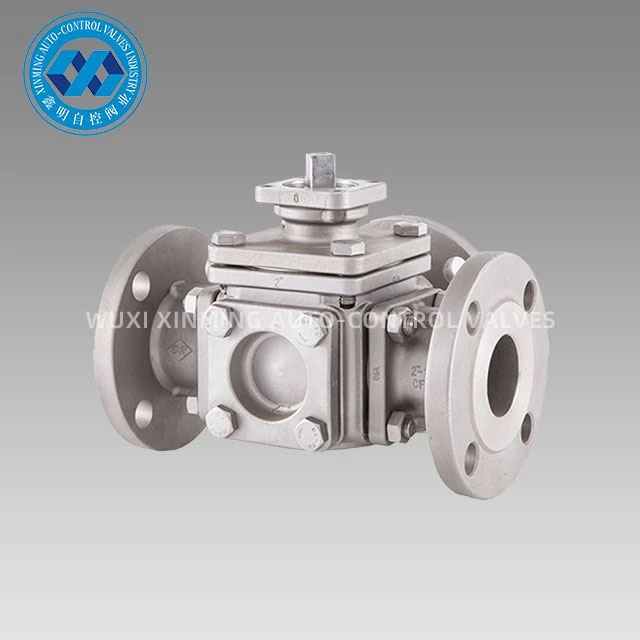
In addition, our 3 Way Ball Valve can be used in complex two - phase flow systems where flow diversion or mixing is required. The 3 - way design provides more flexibility in controlling the flow direction of the two - phase mixture.
Conclusion
In conclusion, while thin ball valves can potentially be used for two - phase flow applications, careful consideration of the specific flow characteristics and operating conditions is necessary. Our company, as a professional thin ball valve supplier, is committed to providing high - quality valve solutions for various two - phase flow scenarios. If you are interested in our thin ball valves or have any questions about using them in your two - phase flow applications, we encourage you to contact us for further discussion and procurement negotiation. We are ready to work with you to find the most suitable valve solution for your needs.
References
- "Valve Selection for Two - Phase Flow Applications" - A technical paper from an industry research institute.
- "Handbook of Two - Phase Flow" - A comprehensive reference book on two - phase flow principles and applications.
- "Thin Ball Valve Design and Performance" - A white paper published by our company, detailing the features and benefits of our thin ball valves.




