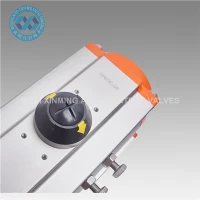
In the field of industrial automation, pneumatic actuators play a pivotal role in converting energy into mechanical motion. As a dedicated supplier of AT Pneumatic Actuators, I often encounter inquiries regarding various technical aspects of these devices. One of the most frequently asked questions is about the dynamic friction of an AT Pneumatic Actuator. In this blog post, I will delve into the concept of dynamic friction, its significance in the operation of AT Pneumatic Actuators, and how it impacts the overall performance of these essential industrial components.
Understanding Dynamic Friction
Before we explore the dynamic friction of an AT Pneumatic Actuator, it's important to have a clear understanding of what dynamic friction is. Friction is the force that resists the relative motion or tendency of such motion of two surfaces in contact. Dynamic friction, also known as kinetic friction, specifically refers to the friction that occurs when two surfaces are in motion relative to each other.
In the context of an AT Pneumatic Actuator, dynamic friction comes into play when the actuator's moving parts, such as pistons, rods, and seals, are in motion. These parts interact with each other and with the actuator's housing, resulting in a frictional force that opposes the motion. The magnitude of this dynamic friction depends on several factors, including the nature of the contacting surfaces, the force pressing the surfaces together, and the speed of the relative motion.
Factors Affecting Dynamic Friction in AT Pneumatic Actuators
Surface Roughness
The roughness of the surfaces in contact within the actuator has a significant impact on dynamic friction. Rough surfaces tend to have more contact points, which increases the frictional force. In an AT Pneumatic Actuator, the surfaces of the pistons, rods, and housing are typically machined to a specific roughness to balance the need for smooth operation and wear resistance. A smoother surface can reduce dynamic friction, but it may also require more precise manufacturing processes and materials.
Lubrication
Lubrication is another crucial factor in reducing dynamic friction in AT Pneumatic Actuators. A lubricant forms a thin film between the moving parts, separating the surfaces and reducing the direct contact and friction. The type of lubricant used, its viscosity, and the frequency of lubrication all affect the effectiveness of the lubrication. In AT Pneumatic Actuators, lubricants are carefully selected to ensure compatibility with the actuator's materials and operating conditions.
Seal Design and Material
Seals are essential components in AT Pneumatic Actuators, as they prevent the leakage of compressed air and maintain the actuator's performance. However, the seals also contribute to dynamic friction. The design and material of the seals can significantly impact the frictional force. For example, a seal with a tight fit may provide better sealing performance but also increase the friction. On the other hand, a seal made of a low-friction material can reduce the dynamic friction but may have lower durability.
Operating Conditions
The operating conditions of an AT Pneumatic Actuator, such as temperature, pressure, and speed, also affect dynamic friction. Higher temperatures can cause the lubricant to thin out, reducing its effectiveness and increasing the friction. High pressures can increase the force pressing the surfaces together, resulting in higher friction. Additionally, the speed of the actuator's motion can also influence the dynamic friction, as higher speeds may require more energy to overcome the frictional force.
Significance of Dynamic Friction in AT Pneumatic Actuators
Energy Efficiency
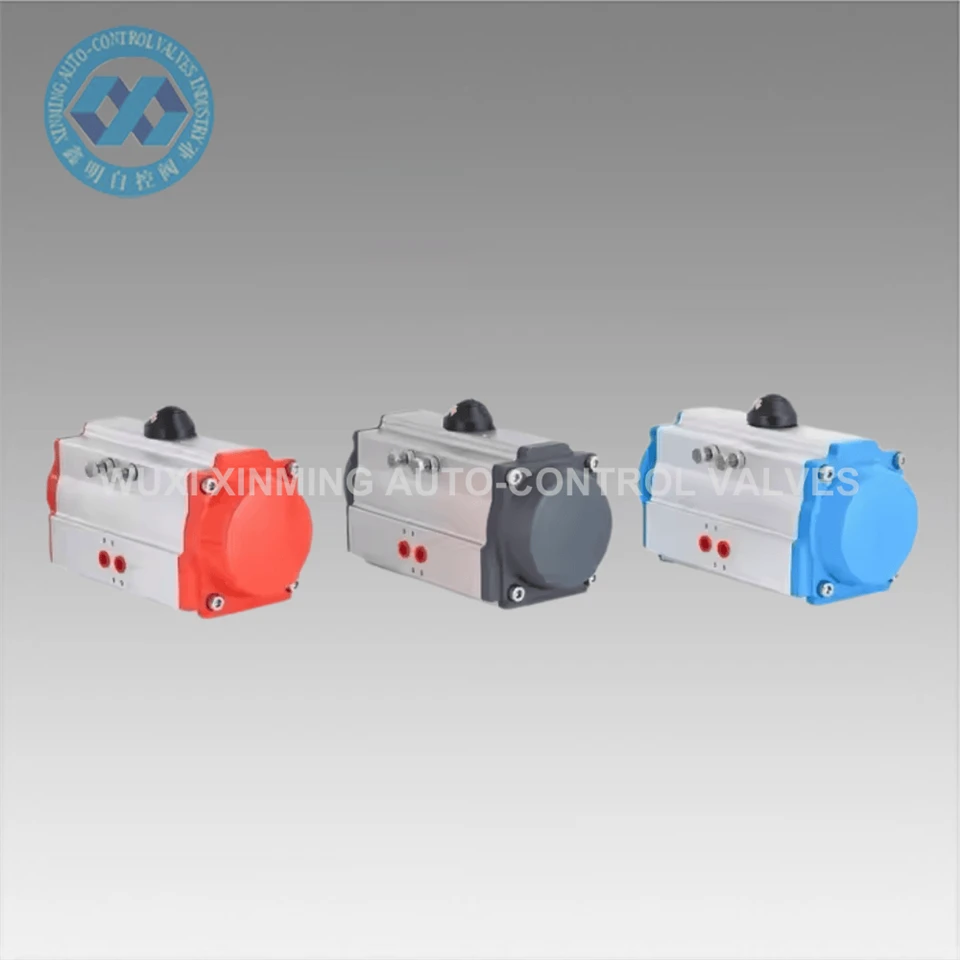
Dynamic friction in AT Pneumatic Actuators directly affects energy efficiency. When the actuator is in operation, the energy required to overcome the frictional force is wasted as heat. This means that a higher dynamic friction results in higher energy consumption. As an AT Pneumatic Actuator supplier, we understand the importance of energy efficiency for our customers. That's why we strive to design and manufacture actuators with low dynamic friction to help our customers reduce their energy costs. For example, our Energy-efficient Aluminum Double Acting Butterfly Valve Pneumatic Actuator is designed with advanced materials and precise manufacturing processes to minimize dynamic friction and improve energy efficiency.
Performance and Accuracy
Dynamic friction can also impact the performance and accuracy of AT Pneumatic Actuators. A high frictional force can cause the actuator to respond slowly or unevenly, resulting in reduced precision and control. In applications where precise positioning and movement are critical, such as in automated manufacturing processes, minimizing dynamic friction is essential. Our Three Stage Pneumatic Actuator is engineered to provide smooth and precise motion, thanks to its optimized design and low dynamic friction.
Wear and Tear
The presence of dynamic friction in AT Pneumatic Actuators leads to wear and tear of the moving parts. Over time, the frictional force can cause the surfaces of the pistons, rods, and seals to wear down, reducing the actuator's lifespan and performance. By minimizing dynamic friction, we can extend the service life of our actuators and reduce the need for frequent maintenance and replacement. Our High Torque Fork Type Single And Double Acting Pneumatic Actuator Can Be Customized is built with high-quality materials and advanced sealing technologies to reduce wear and tear and ensure long-term reliability.
Measuring and Controlling Dynamic Friction in AT Pneumatic Actuators
Measuring Dynamic Friction
Measuring dynamic friction in AT Pneumatic Actuators can be a challenging task, as it requires specialized equipment and techniques. One common method is to use a load cell to measure the force required to move the actuator's piston or rod at a constant speed. By comparing the measured force with the theoretical force required to move the actuator without friction, the dynamic friction can be calculated. Another method is to use a torque sensor to measure the torque required to rotate the actuator's shaft, which can also provide an indication of the dynamic friction.
Controlling Dynamic Friction
Controlling dynamic friction in AT Pneumatic Actuators involves a combination of design, material selection, and maintenance. As mentioned earlier, using smooth surfaces, proper lubrication, and low-friction seals can help reduce dynamic friction. Additionally, optimizing the actuator's design to minimize the contact area between the moving parts and the housing can also be effective. Regular maintenance, such as cleaning and lubricating the actuator, can also help maintain low dynamic friction and ensure the actuator's optimal performance.
Conclusion
In conclusion, dynamic friction is a critical factor in the operation of AT Pneumatic Actuators. It affects energy efficiency, performance, accuracy, and wear and tear. As a leading supplier of AT Pneumatic Actuators, we are committed to understanding and controlling dynamic friction to provide our customers with high-quality, energy-efficient, and reliable actuators. By continuously improving our design and manufacturing processes, we strive to minimize dynamic friction and meet the evolving needs of our customers in various industries.
If you are interested in learning more about our AT Pneumatic Actuators or have any questions regarding dynamic friction or other technical aspects, please feel free to contact us for a detailed discussion and procurement negotiation. We look forward to working with you to find the best pneumatic actuator solutions for your specific applications.

References
- Norton, Robert L. "Machine Design: An Integrated Approach." Pearson, 2012.
- Shigley, Joseph E., et al. "Mechanical Engineering Design." McGraw-Hill Education, 2019.
- Spotts, Milton F., et al. "Design of Machine Elements." Prentice Hall, 2004.