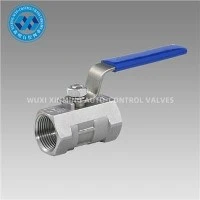
Hey there! As a supplier of soft - seal ball valves, I often get asked about the difference between soft - seal ball valves and hard - seal ball valves. So, I thought I'd write this blog to break it down for you in simple terms.
Let's start with the basics. A ball valve is a type of valve that uses a ball to control the flow of fluid through it. When the ball is turned, it either allows the fluid to pass through or blocks it. Now, the main difference between soft - seal and hard - seal ball valves lies in the sealing materials they use.
Soft - Seal Ball Valves
Soft - seal ball valves use soft materials like rubber, Teflon (PTFE), or other elastomers for their sealing components. These materials are known for their flexibility and excellent sealing properties.
One of the biggest advantages of soft - seal ball valves is their ability to achieve a tight seal. The soft material can easily conform to the surface of the ball, even if there are minor irregularities. This means that they can effectively prevent leakage, making them a great choice for applications where zero leakage is a must. For example, in the food and beverage industry, where hygiene is crucial, soft - seal ball valves are often used to ensure that there is no contamination from fluid leakage.
Another benefit is their low torque requirement. Since the soft sealing material doesn't require a lot of force to create a seal, less energy is needed to operate the valve. This can lead to cost savings in the long run, especially in applications where the valve needs to be opened and closed frequently.
Soft - seal ball valves are also relatively quiet in operation. The soft material absorbs some of the shock and vibration that can occur when the valve is opened or closed, reducing noise levels. This makes them suitable for use in environments where noise pollution needs to be minimized, such as in hospitals or residential areas.
However, soft - seal ball valves do have some limitations. The soft sealing materials are not as resistant to high temperatures and pressures as hard - seal materials. They can also be more prone to wear and tear, especially when exposed to abrasive or corrosive fluids. Over time, the soft material may degrade, leading to a loss of sealing performance.
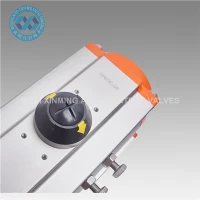
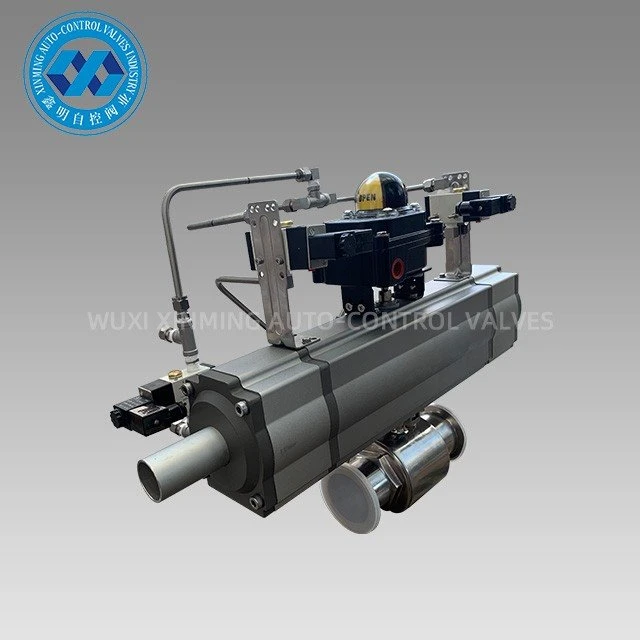
If you're interested in our soft - seal ball valves, we have some great products like the Pneumatic Actuator WCB Flange Ball Valve. It combines the benefits of a soft - seal design with the convenience of a pneumatic actuator for easy operation.
Hard - Seal Ball Valves
Hard - seal ball valves, on the other hand, use hard materials like metal or ceramic for their sealing components. These materials are known for their durability and resistance to high temperatures and pressures.
One of the key advantages of hard - seal ball valves is their ability to withstand harsh operating conditions. They can handle high - temperature fluids, such as steam or hot oil, without deforming or losing their sealing properties. They are also more resistant to abrasive and corrosive fluids, making them suitable for use in industries like mining, chemical processing, and power generation.
Hard - seal ball valves have a longer service life compared to soft - seal ball valves. The hard materials are less likely to wear out, even after repeated use. This means that they require less maintenance and replacement, which can result in cost savings over time.
However, hard - seal ball valves do have some drawbacks. Achieving a perfect seal can be more challenging with hard materials. The surface of the ball and the sealing seat need to be extremely smooth and precisely machined to prevent leakage. This can make hard - seal ball valves more expensive to manufacture.
They also require a higher torque to operate. Since the hard materials don't conform as easily as soft materials, more force is needed to create a seal. This can increase the energy consumption and may require more powerful actuators.
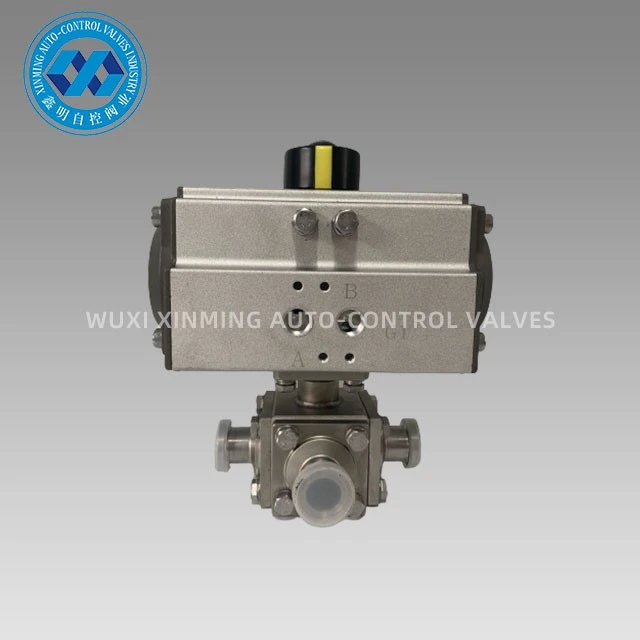
If you're looking for a hard - seal option, we also offer products like the Pneumatic Actuator Tri - clamp Three Way Ball Valve, which is designed to handle tough industrial applications.
Applications
The choice between a soft - seal and a hard - seal ball valve depends largely on the specific application.
For applications where leakage prevention is the top priority and the operating conditions are relatively mild, soft - seal ball valves are the way to go. As mentioned earlier, the food and beverage industry, pharmaceutical industry, and water treatment plants often use soft - seal ball valves. In the pharmaceutical industry, for example, soft - seal ball valves are used to control the flow of medications and other sensitive fluids, ensuring that there is no cross - contamination.
On the other hand, hard - seal ball valves are better suited for applications that involve high temperatures, high pressures, abrasive or corrosive fluids. In the oil and gas industry, hard - seal ball valves are used in pipelines to control the flow of crude oil and natural gas. They can withstand the harsh conditions and prevent leakage, even in high - pressure environments.
In some cases, a combination of both soft - seal and hard - seal ball valves may be used in a single system. For example, in a chemical processing plant, soft - seal ball valves may be used for the initial stages of fluid handling, where the conditions are relatively mild, while hard - seal ball valves are used for the final stages, where the fluid is more corrosive or at a higher temperature.
Maintenance
Maintenance requirements also differ between soft - seal and hard - seal ball valves.
Soft - seal ball valves need to be inspected regularly for signs of wear and tear. The soft sealing material can be damaged by chemicals, heat, or mechanical stress. If the seal is compromised, it may need to be replaced. However, the replacement process is usually relatively simple and can be done without too much downtime.
Hard - seal ball valves, on the other hand, require less frequent maintenance in terms of seal replacement. However, they do need to be inspected for proper alignment and surface smoothness. If the surfaces of the ball and the sealing seat become damaged, they may need to be re - machined or replaced, which can be a more complex and time - consuming process.
Conclusion
In conclusion, both soft - seal and hard - seal ball valves have their own unique advantages and disadvantages. The choice between the two depends on the specific requirements of your application, such as the operating conditions, the need for leakage prevention, and the budget.
If you're still not sure which type of ball valve is right for you, don't hesitate to reach out. We're here to help you make the best decision for your needs. Whether you're looking for a reliable soft - seal ball valve like our Sanitary Three Way Clamp Ball Valve With Pneumatic Actuator or a hard - seal option for tough industrial applications, we've got you covered. Contact us today to start a discussion about your valve requirements and let's find the perfect solution together.
References
- Valve Handbook, 4th Edition by J. S. Ludwig
- Industrial Valves: A Practical Guide by Ian F. Crone