Can a Soft - seal Ball Valve be Used for Liquid Applications?
As a dedicated supplier of soft - seal ball valves, I often encounter inquiries from customers regarding the suitability of these valves for liquid applications. In this blog post, I will delve into the details to answer the question: Can a soft - seal ball valve be used for liquid applications?
Understanding Soft - seal Ball Valves
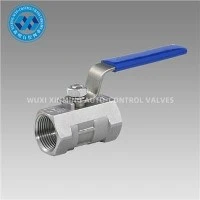
Soft - seal ball valves are a type of quarter - turn valve. They consist of a ball with a bore through the center, which rotates within a valve body. The soft seal, typically made of materials like PTFE (polytetrafluoroethylene), NBR (nitrile butadiene rubber), or EPDM (ethylene propylene diene monomer), provides a tight seal between the ball and the valve seat. This design allows for efficient on - off control of fluid flow.
Advantages of Using Soft - seal Ball Valves for Liquid Applications
- Excellent Sealing Performance
One of the primary advantages of soft - seal ball valves in liquid applications is their superior sealing ability. The soft seal material conforms to the surface of the ball, creating a tight barrier that prevents leakage. This is crucial in applications where even a small amount of leakage can lead to significant problems, such as in chemical processing plants or water treatment facilities. For example, in a chemical storage tank, a soft - seal ball valve can ensure that no corrosive liquids escape, protecting the environment and equipment. - Low Torque Operation
Soft - seal ball valves require relatively low torque to operate. This means that less force is needed to open and close the valve, which can be beneficial in applications where manual operation is required or when using smaller actuators. In a small - scale liquid handling system, an operator can easily turn the valve handle, reducing the physical effort required. Additionally, for automated systems, lower torque requirements translate to smaller and more cost - effective actuators. - Smooth Flow Control
The design of soft - seal ball valves allows for smooth and unobstructed flow of liquids. The full - port design, where the bore of the ball is the same size as the pipe, minimizes pressure drop across the valve. This is important in applications where maintaining a consistent flow rate is essential, such as in irrigation systems or food and beverage processing. The smooth flow also reduces the risk of cavitation, which can damage the valve and other components in the system.
Considerations for Using Soft - seal Ball Valves in Liquid Applications
- Temperature and Pressure Limits
Soft - seal materials have specific temperature and pressure limits. For example, PTFE seals can generally withstand temperatures up to around 260°C, but at higher temperatures, the material may start to degrade, affecting the sealing performance. Similarly, the pressure rating of the valve must be carefully considered. In high - pressure liquid applications, such as in oil and gas pipelines, a soft - seal ball valve with a suitable pressure rating must be selected to ensure safe and reliable operation. - Chemical Compatibility
The liquid being handled must be compatible with the soft - seal material. Different chemicals can react with the seal material, causing swelling, cracking, or other forms of degradation. For instance, some solvents may dissolve certain rubber - based seal materials. Before selecting a soft - seal ball valve for a particular liquid application, it is essential to consult the chemical compatibility chart provided by the valve manufacturer. - Abrasion Resistance
In applications where the liquid contains solid particles or abrasive substances, the soft seal may be prone to wear. For example, in a mining operation where slurries are being transported, the soft seal of a ball valve can be damaged by the abrasive particles in the slurry. In such cases, special coatings or alternative valve designs may be required to improve the abrasion resistance of the valve.
Types of Liquid Applications for Soft - seal Ball Valves
- Water and Wastewater Treatment
Soft - seal ball valves are widely used in water and wastewater treatment plants. They are used to control the flow of water at various stages of the treatment process, including intake, filtration, and disinfection. For example, in a water filtration system, a soft - seal ball valve can be used to regulate the flow of water through the filters, ensuring efficient operation. In wastewater treatment, these valves can isolate different treatment tanks and control the discharge of treated water. - Food and Beverage Industry
In the food and beverage industry, soft - seal ball valves are popular due to their hygienic design and smooth flow characteristics. They are used in applications such as milk processing, beer brewing, and juice production. The soft - seal materials used in these valves are often FDA - approved, ensuring that they are safe for contact with food and beverages. For example, in a dairy processing plant, a soft - seal ball valve can be used to control the flow of milk between different processing vessels. - Chemical Processing
Soft - seal ball valves play a crucial role in chemical processing plants. They are used to handle a wide range of chemicals, from acids and bases to solvents and polymers. The excellent sealing performance and chemical compatibility of soft - seal ball valves make them suitable for these applications. For example, in a pharmaceutical manufacturing facility, a soft - seal ball valve can be used to control the flow of active pharmaceutical ingredients, ensuring accurate dosing and preventing cross - contamination.
Related Products for Liquid Applications
If you are looking for more options for liquid applications, we also offer a range of related products. For automated control of liquid flow, our Electrical Ball Valve provides precise and reliable operation. It can be easily integrated into a control system, allowing for remote operation and monitoring.

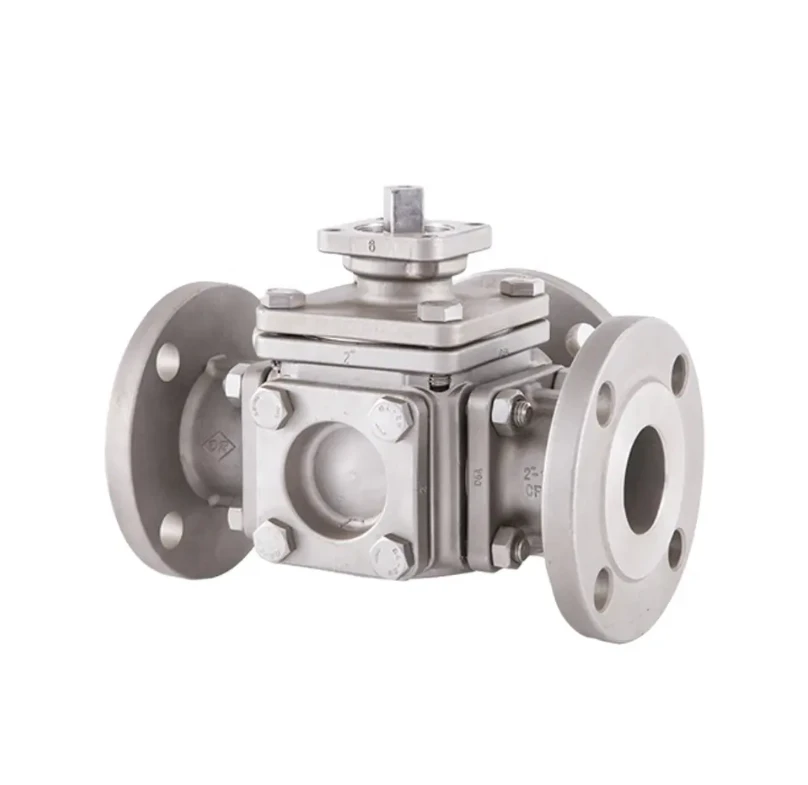
For applications that require more complex flow control, our 3 Way Ball Valve With 180 Degree Turn Pneumatic Actuator is a great choice. This valve can divert the flow of liquids in different directions, making it suitable for processes such as mixing or distributing liquids.
In addition, our Pneumatic Actuator Flange Tee Ball Valve is designed for applications where a high - performance valve with a flange connection is required. The pneumatic actuator provides fast and reliable operation, and the flange connection ensures a secure and leak - free installation.
Conclusion
In conclusion, soft - seal ball valves can be effectively used for a wide range of liquid applications. Their excellent sealing performance, low torque operation, and smooth flow control make them a popular choice in many industries. However, it is important to consider factors such as temperature, pressure, chemical compatibility, and abrasion resistance when selecting a soft - seal ball valve for a specific application.
If you are interested in our soft - seal ball valves or any of the related products mentioned above for your liquid handling needs, we invite you to contact us for further information and to discuss your specific requirements. Our team of experts is ready to assist you in finding the right valve solution for your application.
References
- Valve Handbook, Third Edition, by E. Richard Henry
- Chemical Engineering Handbook, Eighth Edition, by Perry and Green