Automation has revolutionized the way industrial processes are managed, and the lug butterfly valve is no exception. As a trusted supplier of lug butterfly valves, I am excited to delve into the intricacies of how the automation of these valves works. In this blog post, we will explore the components, operation, and benefits of automating lug butterfly valves, providing you with a comprehensive understanding of this technology.
Components of an Automated Lug Butterfly Valve
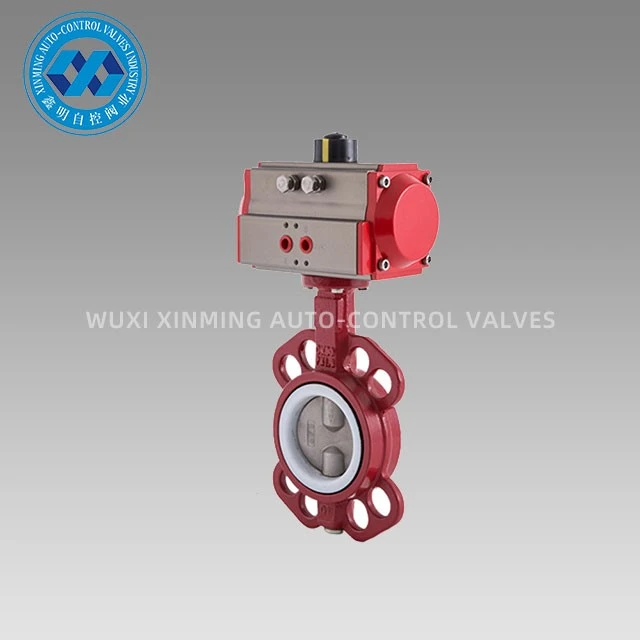
An automated lug butterfly valve system consists of several key components that work together to control the flow of fluids. The main components include the valve body, disc, actuator, and control system.
Valve Body and Disc
The valve body is the outer casing of the valve, typically made of materials such as cast iron, stainless steel, or ductile iron. It provides the structural support and contains the internal components of the valve. The disc is the circular plate that rotates within the valve body to control the flow of fluid. It is connected to the valve stem, which is responsible for transmitting the rotational motion from the actuator to the disc.
Actuator
The actuator is the device that provides the power to open and close the valve. There are several types of actuators available for lug butterfly valves, including electric, pneumatic, and hydraulic actuators.
- Electric Actuators: Electric actuators use an electric motor to drive the valve stem. They are easy to install and operate, and they offer precise control over the valve position. Electric actuators are suitable for applications where a high degree of accuracy is required, such as in chemical processing and water treatment plants. Electrical Butterfly Valve
- Pneumatic Actuators: Pneumatic actuators use compressed air to drive the valve stem. They are fast-acting and reliable, and they are commonly used in applications where a quick response is required, such as in HVAC systems and industrial automation. Stainless Steel SS304 316L Pneumatic Butterfly Valve Butterfly Valve
- Hydraulic Actuators: Hydraulic actuators use hydraulic fluid to drive the valve stem. They are capable of generating high forces, making them suitable for applications where large valves or high-pressure systems are involved, such as in oil and gas pipelines. Penumatic Actuator Ductile Iron Wafer Butterfly Valve
Control System
The control system is responsible for monitoring and controlling the operation of the valve. It receives signals from sensors or a control panel and sends commands to the actuator to open or close the valve. The control system can be programmed to operate the valve based on specific conditions, such as flow rate, pressure, or temperature.
Operation of an Automated Lug Butterfly Valve
The operation of an automated lug butterfly valve is relatively simple. When a signal is sent to the actuator from the control system, the actuator rotates the valve stem, which in turn rotates the disc within the valve body. The disc can be rotated up to 90 degrees to fully open or close the valve.

- Open Position: When the valve is in the open position, the disc is parallel to the flow of fluid, allowing the fluid to pass through the valve with minimal resistance.
- Closed Position: When the valve is in the closed position, the disc is perpendicular to the flow of fluid, blocking the flow and preventing the fluid from passing through the valve.
The position of the valve can be adjusted to control the flow rate of the fluid. By partially opening the valve, the flow rate can be reduced, while fully opening the valve allows for maximum flow.
Benefits of Automating Lug Butterfly Valves
Automating lug butterfly valves offers several benefits over manual valves, including:
Improved Efficiency
Automated valves can be operated remotely, eliminating the need for manual intervention. This reduces the time and labor required to operate the valves, improving the overall efficiency of the system. Additionally, automated valves can be programmed to open and close at specific times or in response to certain conditions, ensuring that the system operates at optimal levels.
Enhanced Safety
Automated valves can be equipped with safety features such as limit switches and position indicators, which provide feedback on the valve position and prevent over-travel. This helps to prevent damage to the valve and the system, reducing the risk of accidents and downtime.
Precise Control
Automated valves offer precise control over the valve position, allowing for accurate regulation of the flow rate, pressure, or temperature of the fluid. This is particularly important in applications where precise control is required, such as in chemical processing and water treatment plants.
Remote Monitoring and Control
Automated valves can be connected to a control system or a network, allowing for remote monitoring and control. This enables operators to monitor the valve status and make adjustments from a central location, improving the visibility and control of the system.
Applications of Automated Lug Butterfly Valves
Automated lug butterfly valves are used in a wide range of applications, including:
Water and Wastewater Treatment
In water and wastewater treatment plants, automated lug butterfly valves are used to control the flow of water, chemicals, and sludge. They are used in processes such as filtration, disinfection, and sludge handling, ensuring that the treatment process operates efficiently and effectively.
HVAC Systems
In HVAC systems, automated lug butterfly valves are used to control the flow of air and water. They are used in applications such as heating, ventilation, and air conditioning, ensuring that the indoor environment is comfortable and energy-efficient.
Chemical Processing
In chemical processing plants, automated lug butterfly valves are used to control the flow of chemicals and other fluids. They are used in processes such as mixing, reacting, and separating, ensuring that the chemical reactions occur at the desired rates and conditions.
Oil and Gas Industry
In the oil and gas industry, automated lug butterfly valves are used to control the flow of oil, gas, and other fluids. They are used in applications such as pipeline transportation, refining, and storage, ensuring that the oil and gas operations are safe and efficient.
Conclusion
Automating lug butterfly valves offers a range of benefits, including improved efficiency, enhanced safety, precise control, and remote monitoring and control. As a supplier of lug butterfly valves, we understand the importance of providing high-quality, reliable, and efficient valves to our customers. Our automated lug butterfly valves are designed to meet the needs of a wide range of applications, and we offer a variety of actuators and control systems to ensure that our customers get the best solution for their specific requirements.
If you are interested in learning more about our automated lug butterfly valves or would like to discuss your specific needs, please do not hesitate to contact us. Our team of experts is ready to assist you in finding the right valve solution for your application.
References
- Valve Handbook, Second Edition, by Robert W. Miller
- Control Valve Handbook, Fourth Edition, by Richard W. Fox
- Industrial Valves: Selection and Sizing, by W. C. Baumeister