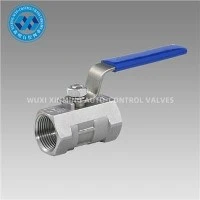
Can a thin ball valve be automated? That's a question I get asked a lot as a thin ball valve supplier. In this blog, I'll share my insights on this topic and explain how automation can be a game - changer for thin ball valves.
First off, let's talk about what thin ball valves are. They are a type of valve used in various industries to control the flow of fluids, like water, oil, or gas. These valves are designed to be compact and lightweight, which makes them ideal for applications where space is limited. They work by using a ball with a hole in it. When the ball is turned, the hole aligns with the flow path, allowing the fluid to pass through. When it's turned the other way, the flow is blocked.
Now, the million - dollar question: can they be automated? The short answer is yes! Automation of thin ball valves has become increasingly popular in recent years, and for good reasons.
One of the main advantages of automating thin ball valves is increased efficiency. Manual operation of valves can be time - consuming, especially when you have a large number of valves to control. With automation, you can open and close valves with just a click of a button or through a programmable logic controller (PLC). This not only saves time but also reduces the risk of human error. For example, in a chemical processing plant, where precise control of fluid flow is crucial, an automated thin ball valve can ensure that the right amount of chemicals is being transferred at the right time.
Another benefit is improved safety. In some industries, like oil and gas, working with valves can be dangerous. Manual operation might require workers to be in close proximity to potentially hazardous fluids or high - pressure systems. Automated thin ball valves can be controlled from a safe distance, reducing the risk of accidents. For instance, in an offshore oil rig, an automated valve can be used to quickly shut off the flow of oil in case of an emergency, without putting workers at risk.
Automation also allows for better monitoring and data collection. Modern automated valve systems can be equipped with sensors that provide real - time information about the valve's position, pressure, and temperature. This data can be used to detect potential problems early, such as leaks or valve malfunctions. By analyzing this data, maintenance teams can schedule preventive maintenance, which can save a lot of money in the long run.
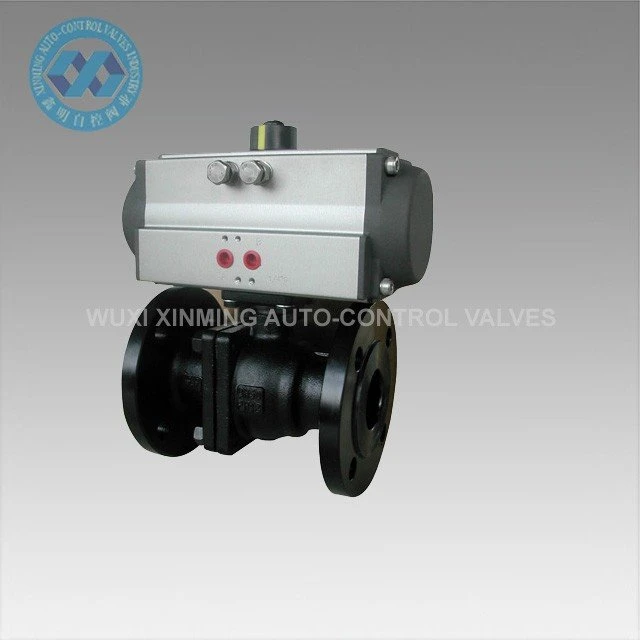

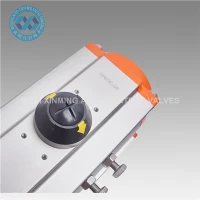
So, how does the automation of thin ball valves work? There are a few different ways to automate them. One common method is to use an electric actuator. Electric actuators are powered by electricity and can be controlled remotely. They are relatively easy to install and can provide precise control over the valve's movement. Another option is a pneumatic actuator. Pneumatic actuators use compressed air to move the valve. They are known for their fast operation and high torque, making them suitable for applications where quick valve action is required.
If you're interested in some specific products related to automated valves, check out our Pneumatic Stainless Steel 3 Way Ball Valve. It's a great example of an automated valve that combines the benefits of a thin ball valve with the power of pneumatic actuation.
When it comes to materials, thin ball valves can be made from different materials depending on the application. For example, WCB Ball Valve is made from WCB (a type of carbon steel), which is strong and durable, making it suitable for high - pressure applications. And if you need a valve with a flange connection, our Flange Ball Valve is a great choice.
However, there are also some challenges when it comes to automating thin ball valves. One of the main challenges is cost. Automated valve systems can be more expensive than manual ones, especially when you factor in the cost of the actuator, control system, and installation. But it's important to look at the long - term benefits. The savings in terms of efficiency, safety, and maintenance can often outweigh the initial investment.
Another challenge is compatibility. Not all thin ball valves are designed to be easily automated. You need to make sure that the valve you choose is compatible with the actuator and control system you plan to use. This might require some technical expertise, so it's a good idea to work with a knowledgeable supplier.
In conclusion, automating thin ball valves is definitely possible and offers many advantages. Whether you're looking to increase efficiency, improve safety, or gain better control over your fluid systems, automation can be a great solution. As a thin ball valve supplier, I've seen firsthand how automation has transformed the way industries operate.
If you're considering automating your thin ball valves or have any questions about our products, I'd love to hear from you. Reach out to us to start a discussion about your specific needs. We can help you find the right automated valve solution for your application.
References
- Valve Handbook: A Guide to Valve Selection and Application, Various Industry Publications
- Journal of Fluid Control and Valve Technology, Multiple Issues