Can a thread ball valve be used in a chemical processing plant? This is a question that often arises among professionals in the chemical industry. As a thread ball valve supplier, I am well - versed in the capabilities and limitations of these valves in chemical processing environments.


Understanding Thread Ball Valves
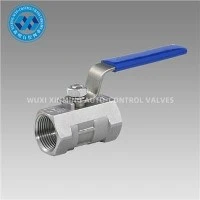
Thread ball valves are a type of quarter - turn valve that uses a spherical disc to control the flow of fluid. The ball has a hole, or port, through the center. When the valve is open, the port is aligned with the flow path, allowing fluid to pass through. When the valve is closed, the ball is rotated 90 degrees, blocking the flow.
The threading on these valves allows for easy installation and connection to pipes. They are typically used in systems where a simple, reliable, and cost - effective valve solution is required.
Advantages of Thread Ball Valves in Chemical Processing
- Tight Shut - off
In chemical processing plants, preventing leakage is of utmost importance. Thread ball valves provide excellent shut - off capabilities. The ball's smooth surface creates a tight seal against the valve seats, minimizing the risk of fluid leakage. This is crucial when dealing with hazardous or corrosive chemicals, as even a small leak can have serious consequences. - Durability
Many thread ball valves are made from materials such as stainless steel or brass, which offer high resistance to corrosion. In a chemical processing environment, where exposure to various chemicals is common, the durability of the valve is essential. For example, stainless steel thread ball valves can withstand the corrosive effects of acids, alkalis, and other chemicals, ensuring a long service life. - Ease of Operation
The quarter - turn operation of thread ball valves makes them easy to use. Operators can quickly open or close the valve, which is beneficial in emergency situations or when frequent flow adjustments are required. This simplicity also reduces the risk of operator error. - Cost - Effectiveness
Compared to some other types of valves, thread ball valves are relatively inexpensive. This makes them an attractive option for chemical processing plants, especially when large numbers of valves are needed. The lower cost does not compromise on quality, as these valves can still meet the high - performance requirements of the chemical industry.
Considerations for Using Thread Ball Valves in Chemical Processing
- Chemical Compatibility
Not all thread ball valves are suitable for all chemicals. It is crucial to select a valve material that is compatible with the specific chemicals being handled. For example, some chemicals may react with certain metals, leading to corrosion and valve failure. Before installing a thread ball valve, it is necessary to conduct a chemical compatibility analysis. - Pressure and Temperature Ratings
Chemical processing plants often operate under high pressure and temperature conditions. Thread ball valves must be rated to handle the specific pressure and temperature requirements of the system. If a valve is not properly rated, it can lead to leaks, valve failure, or even safety hazards. - Flow Requirements
The size and port configuration of the thread ball valve must be selected based on the flow requirements of the chemical process. A valve that is too small may restrict the flow, while a valve that is too large can lead to inefficiencies.
Applications in Chemical Processing Plants
- Batch Processing
In batch chemical processing, thread ball valves are used to control the flow of raw materials and products. They can be used to start and stop the flow of chemicals into reaction vessels, ensuring accurate dosing and control of the process. - Transfer and Storage
Thread ball valves are also used in the transfer of chemicals between storage tanks and processing equipment. They can be used to isolate different sections of the pipeline, preventing cross - contamination and ensuring the safe transfer of chemicals. - Waste Disposal
In chemical waste disposal systems, thread ball valves are used to control the flow of waste chemicals. They can be used to divert waste to different treatment facilities or to shut off the flow in case of an emergency.
Our Product Range
As a thread ball valve supplier, we offer a wide range of products to meet the diverse needs of chemical processing plants. In addition to standard thread ball valves, we also provide specialized valves such as Flanged Stainless Steel Ball Valve. These flanged valves offer enhanced strength and are suitable for high - pressure applications.
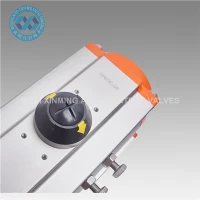
We also have Pneumatic Actuator Y Type Three Way Ball Valve and Pneumatic Stainless Steel 3 Way Ball Valve. These pneumatic - actuated valves provide automated control, which is ideal for large - scale chemical processing operations.
Conclusion
In conclusion, thread ball valves can be effectively used in chemical processing plants. Their tight shut - off, durability, ease of operation, and cost - effectiveness make them a suitable choice for many applications. However, it is essential to consider factors such as chemical compatibility, pressure and temperature ratings, and flow requirements when selecting a thread ball valve.
If you are involved in a chemical processing plant and are looking for high - quality thread ball valves or other related products, we would be more than happy to assist you. Our team of experts can help you select the right valve for your specific needs. Contact us today to start a discussion about your procurement requirements.