Can a welded ball valve be used in irrigation systems? This is a question that often arises among those involved in the design, installation, and maintenance of irrigation systems. As a supplier of welded ball valves, I am well - versed in the capabilities and applications of these valves, and I'm here to provide a comprehensive analysis of their suitability for irrigation systems.
Understanding Welded Ball Valves
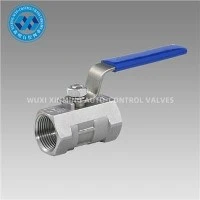
Before delving into their use in irrigation systems, it's essential to understand what welded ball valves are. A welded ball valve is a type of valve that features a ball with a hole in the center. The ball rotates within the valve body to control the flow of fluid. The valve body is typically welded together, which provides a strong and leak - proof seal. This construction makes welded ball valves highly durable and resistant to high pressures and harsh environmental conditions.
The main components of a welded ball valve include the valve body, the ball, the stem, and the seats. The valve body is the outer casing that houses the internal components. The ball is the key element that controls the flow; when the hole in the ball aligns with the pipe, fluid can flow, and when the ball is rotated 90 degrees, the flow is blocked. The stem connects the ball to the actuator or the operating mechanism, allowing for manual or automated control. The seats provide a tight seal around the ball to prevent leakage.
Advantages of Using Welded Ball Valves in Irrigation Systems
Durability
Irrigation systems often operate in challenging environments, exposed to various weather conditions, soil types, and water qualities. Welded ball valves are extremely durable due to their welded construction. They can withstand the wear and tear associated with frequent use, as well as the pressure fluctuations that are common in irrigation systems. Unlike some other types of valves, welded ball valves are less likely to develop leaks over time, which is crucial for maintaining the efficiency of the irrigation system.
Leak - Resistance
One of the most significant benefits of welded ball valves in irrigation is their excellent leak - resistance. The welded joints eliminate the possibility of leakage at the seams, which is a common issue with flanged or threaded valves. In irrigation systems, even a small leak can lead to significant water wastage over time. By using welded ball valves, the risk of water loss is minimized, ensuring that water is delivered precisely to the intended areas.
High - Pressure Tolerance
Irrigation systems often require valves to handle relatively high pressures, especially in large - scale agricultural or industrial irrigation. Welded ball valves are designed to withstand high pressures without deformation or failure. This allows them to be used in a wide range of irrigation applications, from small domestic sprinkler systems to large - scale center - pivot irrigation systems.
Low Maintenance
Welded ball valves typically require less maintenance compared to other valve types. Their simple design and robust construction mean that there are fewer parts that can wear out or break. This reduces the need for frequent repairs or replacements, which can save time and money in the long run. Additionally, the lack of external joints and connections minimizes the risk of dirt and debris entering the valve, further reducing the likelihood of problems.
Applications in Different Irrigation Systems
Sprinkler Irrigation
In sprinkler irrigation systems, welded ball valves can be used to control the flow of water to individual sprinkler heads or groups of sprinkler heads. They can be installed at the main supply line or at the branch lines to regulate the water pressure and flow rate. For example, in a residential lawn sprinkler system, a welded ball valve can be used to turn on or off the water supply to different zones of the lawn, allowing for customized watering schedules.
Drip Irrigation
Drip irrigation systems are designed to deliver water directly to the roots of plants, minimizing water waste. Welded ball valves can be used in drip irrigation to control the flow of water to different sections of the drip lines. They ensure that the water is released at a consistent rate and pressure, which is essential for the effectiveness of drip irrigation. For instance, in a greenhouse drip irrigation system, welded ball valves can be used to regulate the water supply to different rows of plants.


Center - Pivot Irrigation
In large - scale agricultural center - pivot irrigation systems, welded ball valves play a crucial role in controlling the water flow and pressure. These systems cover large areas and require valves that can handle high volumes of water and high pressures. Welded ball valves are well - suited for this application because of their durability and high - pressure tolerance. They can be used at the main control points of the center - pivot system to regulate the water supply to the entire system or to individual segments.
Considerations for Using Welded Ball Valves in Irrigation
Water Quality
The quality of the water used in the irrigation system can have an impact on the performance of welded ball valves. If the water contains a high level of sediment, minerals, or chemicals, it can cause corrosion or abrasion of the valve components. In such cases, it may be necessary to install additional filtration systems upstream of the valves to protect them. Regular maintenance, such as cleaning and lubrication, may also be required to ensure the long - term performance of the valves.
Valve Sizing
Proper valve sizing is essential for the efficient operation of an irrigation system. The size of the welded ball valve should be selected based on the flow rate, pressure, and pipe diameter of the system. An undersized valve can cause excessive pressure drop and reduced flow, while an oversized valve may not provide accurate control of the flow. Consulting with an expert or referring to industry standards can help in selecting the appropriate valve size.
Automation
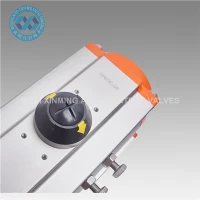
In modern irrigation systems, automation is becoming increasingly popular. Welded ball valves can be equipped with various types of actuators to enable automated control. For example, Double Acting Plastic Pneumatic Actuator Ball Valve and Pneumatic Actuator Y Type Three Way Ball Valve are suitable options for automating the operation of welded ball valves. Automation allows for precise control of the irrigation system, improving efficiency and water conservation.
Other Valve Options and Comparisons
While welded ball valves offer many advantages in irrigation systems, there are also other valve types available, such as gate valves and globe valves. Gate valves are often used for on - off control in large - diameter pipes, but they may not provide as precise flow control as ball valves. Globe valves are good for throttling applications, but they may have higher pressure drops compared to ball valves.
In comparison, 3 Way Ball Valve provides additional flexibility in flow control. It can be used to divert the flow of water to different directions, which is useful in complex irrigation systems where water needs to be distributed to multiple areas.
Conclusion
In conclusion, welded ball valves are a highly suitable option for irrigation systems due to their durability, leak - resistance, high - pressure tolerance, and low maintenance requirements. They can be used in various types of irrigation systems, from small domestic setups to large - scale agricultural and industrial applications. However, proper considerations such as water quality, valve sizing, and automation need to be taken into account to ensure their optimal performance.
If you are in the process of designing or upgrading an irrigation system and are considering using welded ball valves, we are here to help. We can offer expert advice on valve selection, sizing, and installation. We invite you to contact us to start a purchase negotiation and discover how our high - quality welded ball valves can enhance the efficiency and reliability of your irrigation system.
References
- Technical Manuals on Welded Ball Valves Manufacturing
- Industry Standards for Irrigation System Design and Valve Selection