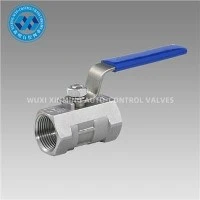
As a long - standing supplier of welded ball valves, I've had numerous encounters with customers intrigued by the concept of anti - static design in these valves. In this post, I'll shed light on what anti - static design means for a welded ball valve, its significance, and its working mechanism.
Understanding Welded Ball Valves
Before delving into anti - static design, let's first understand what welded ball valves are. A welded ball valve is a type of valve used to control the flow of fluids in a pipeline. It operates by rotating a ball with a bore inside the valve body. When the bore is in line with the pipeline, the fluid can flow through; when the ball is rotated 90 degrees, the bore is perpendicular to the pipeline, blocking the flow.
Welded ball valves are popular for their tight sealing, high durability, and ability to handle high - pressure and high - temperature applications. They find widespread use in various industries such as oil and gas, chemical, and power generation.
What is Anti - Static Design?
In the operation of welded ball valves, friction can occur between the ball, stem, and seat as the valve opens and closes. This friction can generate static electricity. In many industrial environments, especially those dealing with flammable and explosive media, the presence of static electricity can be extremely dangerous. A static spark can potentially ignite the surrounding combustible substances, leading to fires or explosions.
The anti - static design of a welded ball valve is a set of measures implemented to prevent the accumulation of static electricity and eliminate static charges in a timely manner. This design ensures the safe operation of the valve in hazardous environments.
Components and Mechanisms of Anti - Static Design
Conductive Springs
One of the key components in anti - static design is the conductive spring. Conductive springs are usually installed between the ball and the stem or between the ball and the seat. These springs are made of conductive materials such as copper alloy. When the valve is in operation, the conductive spring provides a continuous electrical connection path. As static electricity is generated due to friction, it can be quickly transferred through the conductive spring to the valve body and then to the pipeline, effectively preventing the build - up of static charges on the ball and stem.
Conductive Stem and Seat
The stem and seat of a welded ball valve with anti - static design are often made of conductive materials or have conductive coatings. The conductive stem can connect the ball, which rotates during operation, to the valve body. The conductive seat provides a path for the static charge to flow from the ball to the valve body. By ensuring that both the stem and seat are conductive, static electricity is efficiently dissipated.
For example, in high - risk natural gas pipelines, the application of conductive stems and seats in welded ball valves can significantly reduce the risk of static - induced fires or explosions. The natural gas flowing through the pipeline may generate static electricity when it rubs against the inner surface of the valve. The anti - static design allows this static electricity to be safely discharged, protecting the entire pipeline system.
Importance of Anti - Static Design
The importance of anti - static design in welded ball valves cannot be overstated, especially in industries where safety is of paramount importance.
Safety Assurance
As mentioned earlier, in industrial settings dealing with flammable and explosive substances, static electricity is a major safety hazard. The anti - static design eliminates the risk of static sparks, thus preventing potential fires and explosions. This is crucial for protecting personnel, equipment, and the environment. For instance, in an oil refinery, where large amounts of flammable crude oil and refined products are handled, the use of welded ball valves with anti - static design can ensure the safety of the entire production process.
Equipment Protection
Static electricity can also cause damage to the internal components of the valve. The build - up of static charges may lead to corrosion and wear of the ball, stem, and seat, reducing the service life of the valve. By implementing anti - static design, the flow of static electricity is controlled, minimizing the damage to valve components and extending the valve's operational life.
Our Product Offerings
As a trusted supplier of welded ball valves, we offer a wide range of products with excellent anti - static design. In addition to our superior welded ball valves, we also provide other related valve products, such as the 3PC Thread Ball Valve and the 3 Way Ball Valve With Pneumatic Actuator. Our WCB Ball Valve is also a popular choice among customers for its high - quality and reliable performance.
All our valves undergo strict quality control and testing to ensure they meet the highest industry standards. Our anti - static design is based on years of research and development, providing customers with a reliable solution for their fluid control needs.
Conclusion and Call to Action
The anti - static design of a welded ball valve is a critical feature that ensures safety and reliability in industrial applications. By preventing the build - up of static electricity, it protects both the valve and the entire pipeline system from potential hazards.
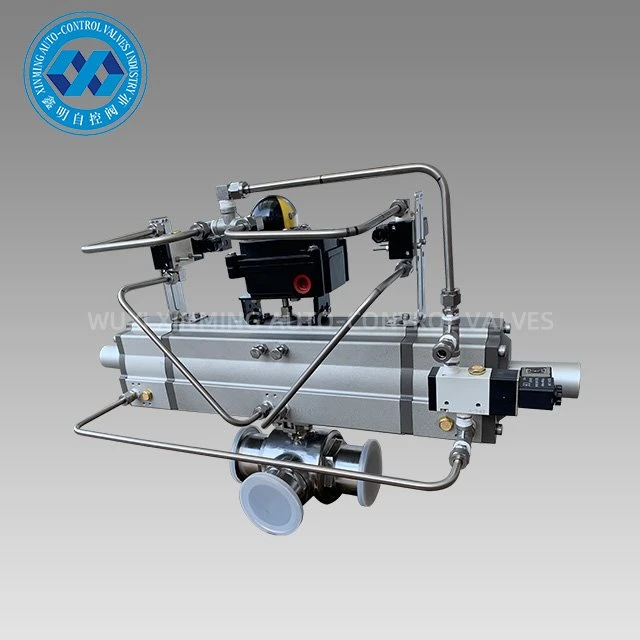

If you are in the market for high - quality welded ball valves or other valve products with anti - static design, we are here to help. We have a team of experienced professionals who can provide you with detailed product information and technical support. Contact us to discuss your specific requirements and start a procurement negotiation. We look forward to working with you to meet your fluid control needs.
References
- Valve Handbook: A Guide to Valve Technology and Applications
- Industrial Safety Standards for Valve Systems