Hey there! I'm a supplier of WCB Butterfly Valves, and I often get asked if our valves can be used in a ceramic factory. Well, let's dig into this topic and find out.
First off, let's talk a bit about what a WCB Butterfly Valve is. WCB stands for a type of carbon steel that's commonly used in valve manufacturing. It's known for its good strength, toughness, and weldability. A butterfly valve, on the other hand, is a type of quarter - turn valve that uses a disc to control the flow of fluid through a pipe. The disc rotates around an axis, and depending on its position, it can either allow full flow, restrict the flow, or completely block it.
Now, let's look at the environment in a ceramic factory. Ceramic factories have some unique requirements when it comes to fluid control systems. They deal with various types of fluids, including water, slurries, and sometimes chemicals used in the ceramic production process.
Fluid Types and WCB Compatibility
- Water: Water is one of the most common fluids in a ceramic factory. It's used for cooling, cleaning, and in the mixing of ceramic materials. WCB Butterfly Valves are generally well - suited for water applications. The carbon steel material is resistant to corrosion in normal water conditions. As long as the water isn't highly acidic or alkaline, the valve can function properly for a long time.
- Slurries: Slurries are a mixture of solid particles and a liquid, usually water. In a ceramic factory, slurries are used in processes like slip casting. The solid particles in the slurry can be abrasive, which is a concern. However, WCB Butterfly Valves can still be used if they are properly designed. For example, the valve disc can be coated with a wear - resistant material to withstand the abrasion. Some of our valves have special coatings that significantly increase their lifespan when dealing with slurries.
- Chemicals: Chemicals used in ceramic production can vary widely. Some may be acidic, while others may be alkaline. The compatibility of WCB with chemicals depends on the specific chemical and its concentration. In general, WCB may not be suitable for highly corrosive chemicals. But in many cases, if the chemical exposure is limited or the concentration is low, the valve can still work. For more corrosive chemicals, we may recommend Pneumatic Butterfly Valve with special linings or materials.
Operational Requirements
- Flow Control: Ceramic factories require precise flow control for different processes. WCB Butterfly Valves are great for this. They can be easily adjusted to control the flow rate. The quarter - turn operation allows for quick opening and closing, which is useful in processes where rapid changes in flow are needed. Whether it's adjusting the water flow in a cooling system or controlling the slurry flow in a production line, the valve can provide accurate control.
- Pressure and Temperature: The pressure and temperature in a ceramic factory can also vary. WCB Butterfly Valves are designed to handle a wide range of pressures and temperatures. They can work under normal operating pressures and temperatures in most ceramic production processes. However, if the factory has extreme conditions, such as very high pressures or temperatures, we need to select the right valve size and configuration.
Advantages of Using WCB Butterfly Valves in a Ceramic Factory
- Cost - Effective: Compared to some other types of valves, WCB Butterfly Valves are relatively inexpensive. This is important for ceramic factories, which often need to install multiple valves in their production lines. Saving on valve costs can lead to significant overall savings.
- Easy Installation and Maintenance: These valves are easy to install. They have a simple design and can be quickly integrated into existing piping systems. Maintenance is also straightforward. Regular inspections and minor adjustments can keep the valve in good working condition.
Alternatives and Their Comparison
- Ductile Iron Butterfly Valve: Ductile iron is another material used for butterfly valves. It has better corrosion resistance than WCB in some cases, especially in slightly acidic or alkaline environments. However, it may be more expensive than WCB. If the ceramic factory has a budget constraint and the fluid conditions aren't extremely corrosive, WCB may be a better choice.
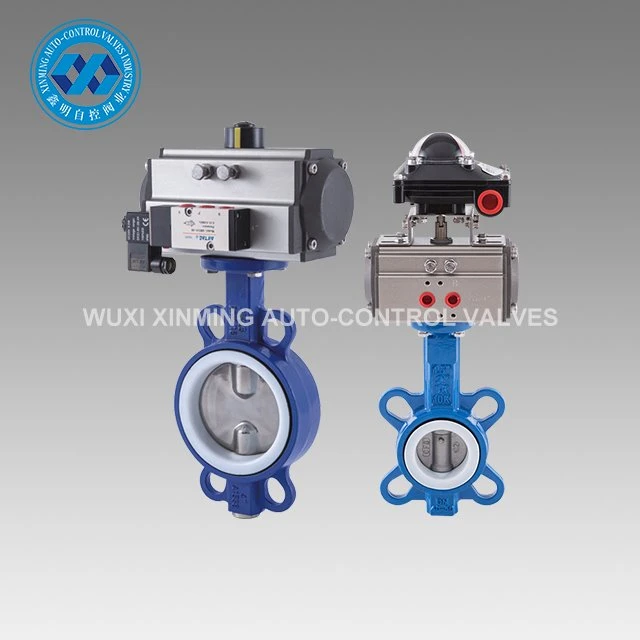
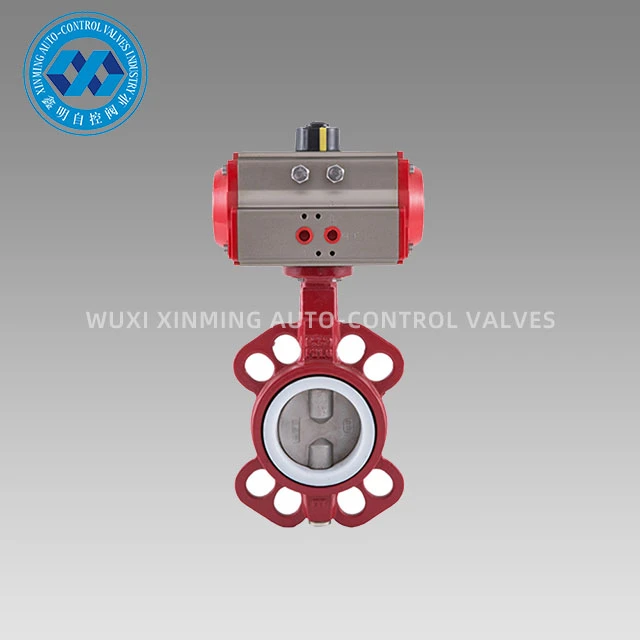
- Penumatic Actuator Ductile Iron Wafer Butterfly Valve: These valves come with a pneumatic actuator, which allows for automated control. In a ceramic factory where there is a need for remote or automated flow control, this type of valve can be very useful. But again, the choice between a WCB Butterfly Valve and a Penumatic Actuator Ductile Iron Wafer Butterfly Valve depends on the specific requirements and budget of the factory.
Installation and Maintenance Tips
- Installation: When installing a WCB Butterfly Valve in a ceramic factory, it's important to ensure that the valve is properly aligned with the piping system. The flange connections should be tightened evenly to prevent leaks. Also, make sure to install the valve in a location where it's easily accessible for maintenance.
- Maintenance: Regular maintenance is key to the long - term performance of the valve. This includes checking for leaks, inspecting the valve disc and seals for wear, and lubricating the moving parts. We recommend a maintenance schedule based on the frequency of use and the type of fluid the valve is handling.
Conclusion
So, can WCB Butterfly Valves be used in a ceramic factory? The answer is yes, in many cases. They are suitable for handling common fluids like water and can be adapted to work with slurries. They offer good flow control, are cost - effective, and are easy to install and maintain. However, for more challenging applications, such as highly corrosive chemicals, alternative valve types or special coatings may be required.
If you're running a ceramic factory and are considering valve solutions, I'd love to have a chat with you. We can discuss your specific needs and find the best valve option for your processes. Whether it's a WCB Butterfly Valve or another type of valve, we have the expertise to provide you with a reliable and cost - effective solution. Feel free to reach out to start a conversation about your valve requirements.
References
- Valve Handbook, 3rd Edition
- Ceramic Manufacturing Processes: A Practical Guide