Can WCB Butterfly Valve be used in a chemical plant?
Hey there! As a supplier of WCB butterfly valves, I often get asked whether our valves can be used in chemical plants. Well, let's dive right into it and find out.
First off, let's talk a bit about what a WCB butterfly valve is. WCB is a type of carbon steel that's commonly used in valve manufacturing. It has good strength and toughness, which makes it suitable for a wide range of applications. A butterfly valve, on the other hand, is a type of quarter - turn valve that uses a disk to control the flow of fluid. It's simple in design, easy to operate, and relatively inexpensive compared to some other types of valves.
Now, when it comes to chemical plants, the environment is quite harsh. Chemicals can be corrosive, abrasive, and sometimes even highly reactive. So, the valves used in these plants need to be able to withstand these tough conditions.
One of the main advantages of using a WCB butterfly valve in a chemical plant is its strength. WCB carbon steel can handle high - pressure and high - temperature conditions that are often present in chemical processing. This means that the valve can maintain its integrity even when there are significant fluctuations in pressure and temperature within the system.
However, the big question is about corrosion. Chemicals can eat away at the valve material over time, and if the valve isn't properly protected, it can fail. That's where the coating and lining of the WCB butterfly valve come into play. Many of our WCB butterfly valves come with special coatings or linings that are resistant to a variety of chemicals. For example, we can offer valves with a PTFE (Polytetrafluoroethylene) lining. PTFE is known for its excellent chemical resistance and can protect the valve body from the corrosive effects of many acids, bases, and solvents.
Another important factor is the sealing performance. In a chemical plant, preventing leaks is crucial. A good - quality WCB butterfly valve has a tight seal that can prevent the escape of hazardous chemicals. The disk of the butterfly valve is designed to fit snugly against the seat, creating a reliable barrier between the different parts of the piping system.
Let's also consider the ease of maintenance. In a busy chemical plant, downtime for valve maintenance can be costly. WCB butterfly valves are relatively easy to maintain. They have fewer moving parts compared to some other types of valves, which means there's less that can go wrong. And if a part does need to be replaced, it's usually a straightforward process.
Now, I want to mention some related products that might also be useful in a chemical plant. If you're looking for a valve that can control the flow of air or gas in addition to liquids, you might be interested in our Damper Butterfly Valve. These valves are designed to regulate the flow of air in ventilation systems and can also be used in some chemical processes where gas flow control is important.

For applications where cost - effectiveness is a major concern, our Cast Iron Butterfly Valve could be a great option. Cast iron is more affordable than WCB carbon steel in some cases, and it can still handle a decent amount of pressure and chemical exposure, especially when properly coated.
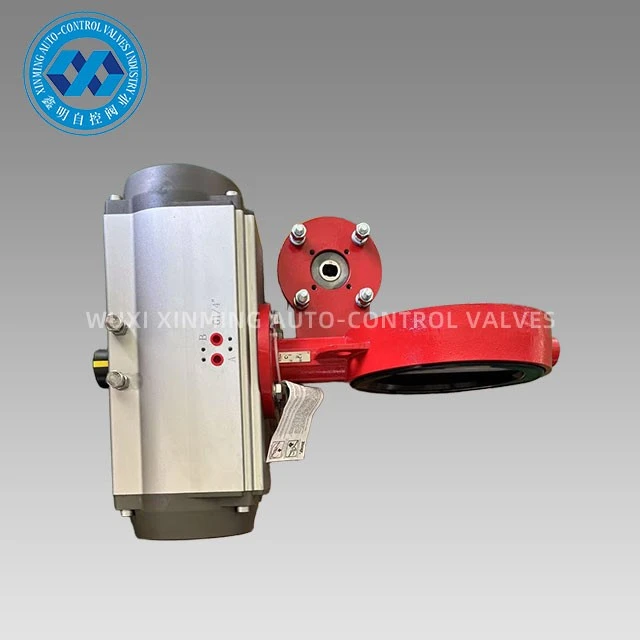
And if you need to automate the operation of your butterfly valve, we offer the Bary Butterfly Valve Actuator. This actuator can be easily attached to the valve and allows for remote or automated control, which is very convenient in a large - scale chemical plant.
So, to sum it up, yes, WCB butterfly valves can definitely be used in a chemical plant. But it's important to choose the right valve with the appropriate coating or lining based on the specific chemicals and conditions in your plant. We have a team of experts who can help you select the best valve for your needs.
If you're in the market for high - quality butterfly valves for your chemical plant, don't hesitate to reach out. We're here to provide you with the best products and support. Whether you have questions about the valve specifications, installation, or maintenance, we're just a message away. Let's start a conversation and see how we can help you improve the efficiency and safety of your chemical processing operations.
References
- Valve Handbook, by J. S. Tuzson
- Chemical Plant Engineering Principles, by R. H. Perry