Hey there! I'm a supplier of Air Filter Regulators, and today I'm gonna share some tips on how to upgrade an old air filter regulator. Whether you're a DIY enthusiast or a professional in the industry, these steps will help you breathe new life into your old equipment.

Why Upgrade Your Old Air Filter Regulator?
First off, you might be wondering why you should bother upgrading. Well, an old air filter regulator can have a bunch of issues. Over time, the filter can get clogged, which restricts the airflow and reduces the efficiency of your system. The regulator might also become less accurate in controlling the pressure, leading to inconsistent performance. Upgrading can improve the overall functionality, reliability, and longevity of your air system.
Step 1: Assess Your Current System
Before you start the upgrade process, take a good look at your existing air filter regulator. Check its model number, size, and the type of connections it has. You need to know these details to find the right replacement parts or a new unit. Also, inspect the condition of the filter element, the regulator valve, and any gauges. If the filter is dirty or damaged, it's definitely time for a change.
Step 2: Choose the Right Upgrade
There are a few options when it comes to upgrading. You can either replace just the filter element and some key components, or you can go for a brand - new air filter regulator.
If you're on a budget, replacing the filter element and a few worn - out parts might be a good choice. Look for high - quality replacement parts that are compatible with your existing system. However, if your old regulator is really old and has multiple problems, investing in a new unit could save you headaches in the long run.
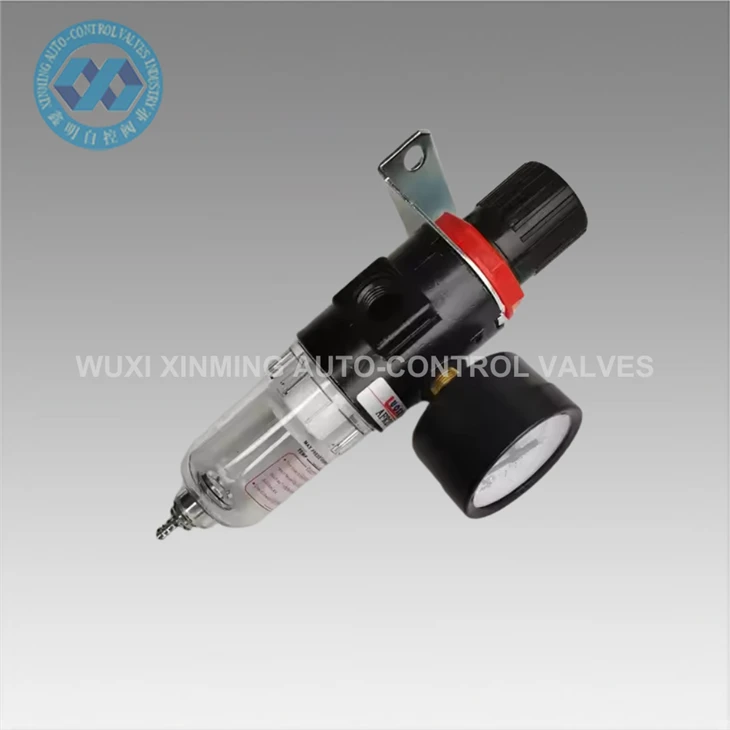
For example, we have some great products like the Air Filter Regulator with Pressure Gauge. It comes with a built - in pressure gauge, which allows you to easily monitor the pressure in your air system. Another option is the AW2000 - 02 Precision Single - Stage Filter Regulator For Air Pumps, which is designed for precise pressure control in air pump systems.
Step 3: Gather Your Tools
Once you've decided on the upgrade, it's time to gather the necessary tools. You'll typically need a set of wrenches, screwdrivers, and possibly some sealants. Make sure you have the right size tools for the job, as using the wrong ones can damage the connections or the components.
Step 4: Shut Down the System
Safety first! Before you start working on the air filter regulator, shut down the air supply to the system. This will prevent any accidental release of compressed air, which can be dangerous. Also, release any remaining pressure in the system by opening the drain valve or using a pressure - relief valve.
Step 5: Remove the Old Air Filter Regulator
Now, it's time to get your hands dirty. Use your wrenches to loosen the connections between the old air filter regulator and the air lines. Be careful not to damage the threads on the connections. Once the connections are loose, gently remove the old regulator from the system.
Step 6: Install the New Upgrade
If you're installing a new filter element, simply insert it into the filter housing according to the manufacturer's instructions. Make sure it's properly seated and sealed to prevent any air leaks.
If you're installing a new air filter regulator, align it with the air lines and use your wrenches to tighten the connections. Don't over - tighten, as this can damage the threads or the seals. Also, if your new regulator has a pressure gauge, make sure it's installed correctly and calibrated if necessary.
Step 7: Test the System
After the installation is complete, turn on the air supply and check for any air leaks. You can do this by applying a soapy water solution to the connections. If you see bubbles forming, there's a leak, and you need to tighten the connection or replace the seal.
Once you've confirmed there are no leaks, test the functionality of the new air filter regulator. Check the pressure gauge to make sure the pressure is within the desired range. Adjust the regulator if necessary to achieve the correct pressure.
Step 8: Maintenance Tips
To keep your newly upgraded air filter regulator in good condition, regular maintenance is key. Replace the filter element at the recommended intervals, usually every few months depending on the usage. Also, check the regulator valve and the gauges periodically for any signs of wear or damage.
Multi - Scenario Adaptability
We also offer a No Worries in Harsh Conditions! Multi - scenario Adaptive Filter Pressure Reducing Valve. This valve is designed to work well in different environments, whether it's a dusty factory floor or a humid storage area. It can adapt to various air quality and pressure conditions, ensuring reliable performance in all scenarios.
Conclusion
Upgrading an old air filter regulator doesn't have to be a daunting task. By following these steps, you can improve the performance of your air system and save money in the long run. Whether you choose to replace parts or get a new unit, make sure you pick high - quality products that are compatible with your system.
If you're interested in our air filter regulators or have any questions about the upgrade process, feel free to reach out to us for a purchase consultation. We're here to help you find the best solution for your needs.
References
- General knowledge in the field of air filter regulators and pneumatic systems.
- Manufacturer's manuals and guidelines for air filter regulator products.