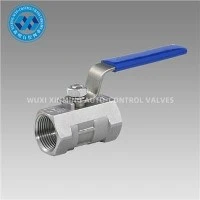
Can WCB Butterfly Valve be used in a power generation plant?
Hey there! I'm a supplier of WCB butterfly valves, and I often get asked if these valves can be used in power generation plants. Well, let's dig into this topic and find out.
First off, let's talk about what a WCB butterfly valve is. WCB is a common material for valve bodies. It's a carbon steel with good strength and toughness, which can withstand a certain amount of pressure and temperature. A butterfly valve, on the other hand, is a type of quarter - turn valve that uses a disc to control the flow of fluid. It's relatively simple in structure, lightweight, and has a quick opening and closing time.
In a power generation plant, there are various systems that require fluid control. For example, in the cooling water system, large amounts of water need to be circulated to cool down the generators and other equipment. The WCB butterfly valve can be a great choice here. Its lightweight design makes it easy to install and maintain, and the quick - acting feature allows for rapid adjustment of the water flow. This is crucial in a cooling system where sudden changes in temperature may require immediate adjustment of the water flow rate.
Another area in a power plant is the steam system. Steam is used to drive turbines and generate electricity. However, the steam system operates at high temperatures and pressures. The question is, can the WCB butterfly valve handle these harsh conditions? Well, it depends. WCB has a certain temperature and pressure rating. For lower - pressure and lower - temperature steam applications within its rated range, the WCB butterfly valve can work just fine. But for high - pressure and high - temperature steam, we might need to look at more specialized valves.
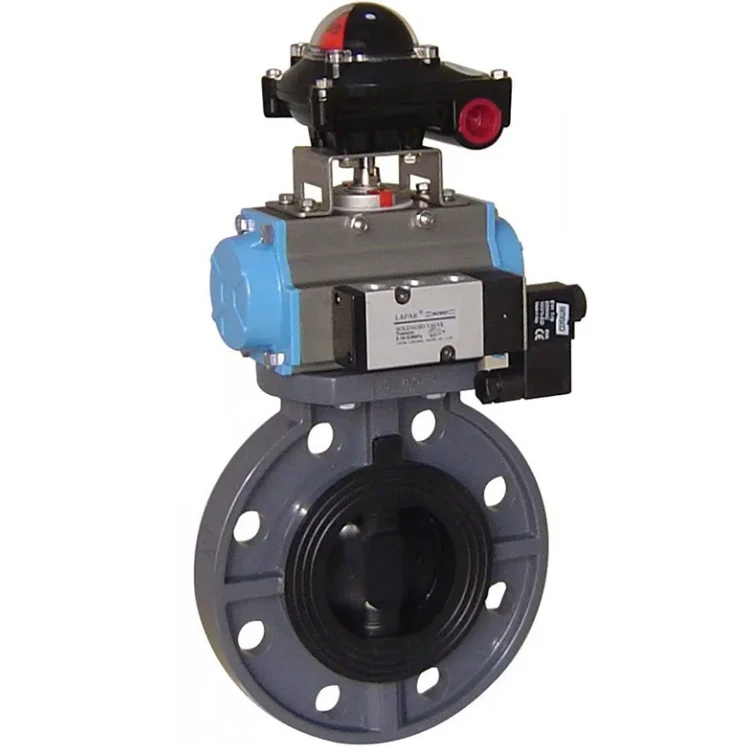
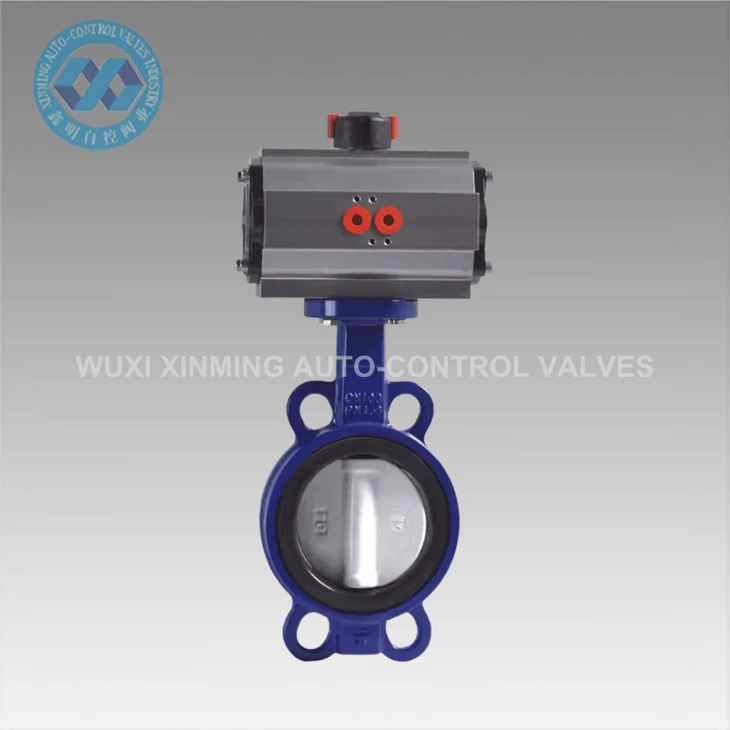
Now, let's consider the advantages of using WCB butterfly valves in power generation plants. One of the biggest advantages is cost - effectiveness. Compared to some other types of valves, WCB butterfly valves are generally more affordable. This is a significant factor for power plants, which often have large - scale valve requirements. Also, they take up less space. In a power plant where space is at a premium, the compact design of the butterfly valve can be a real plus.
However, there are also some limitations. As I mentioned earlier, the temperature and pressure limitations of WCB can be a drawback in high - end applications. Also, the sealing performance of a standard WCB butterfly valve might not be as good as some other valve types in extremely high - pressure situations.
If you're looking for more advanced options related to butterfly valves, we have some great products. Check out our Triple Eccentric Pneumatic Butterfly Valve. This valve is designed to handle high - temperature and high - pressure applications, which might be more suitable for the most demanding parts of a power generation plant.
Another interesting product is the The New Metal Button Ne Way Check Diaphragm Actuator Pneumatic Ball Valve. It combines the features of a ball valve and a diaphragm actuator, offering unique advantages in fluid control.
And if you're interested in a factory - direct pneumatic actuator butterfly valve, you can take a look at our Factory Direct Pneumatic Actuator Butterfly Valve. This valve comes with a pneumatic actuator, which provides more precise control of the valve opening and closing.
In conclusion, WCB butterfly valves can definitely be used in power generation plants, especially in systems with relatively lower temperature and pressure requirements such as cooling water systems. They offer cost - effectiveness and space - saving benefits. But for high - end applications, more specialized valves might be needed.
If you're in the power generation industry and are considering valve solutions, I'd love to have a chat with you. Whether you're interested in our WCB butterfly valves or our other advanced valve products, we can have a detailed discussion about your specific needs. Reach out to us, and let's work together to find the best valve solutions for your power plant.
References
- Valve Handbook, Third Edition by E. W. Miller
- Power Plant Engineering Handbook by P. K. Nag