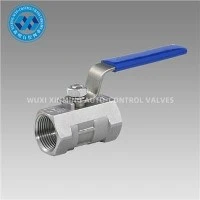
Hey there! As a supplier of WCB Ball Valves, I often get asked about the valve body thickness of these bad boys. So, I thought I'd take a few minutes to break it down for you and give you the lowdown on what you need to know.
First off, let's talk about what WCB is. WCB is a type of carbon steel that's commonly used in the manufacturing of valves. It's known for its strength, durability, and resistance to corrosion, which makes it a popular choice for a wide range of applications.
Now, when it comes to the valve body thickness of a WCB Ball Valve, there are a few factors that come into play. The first factor is the size of the valve. Generally speaking, the larger the valve, the thicker the valve body will need to be. This is because larger valves are subject to higher pressures and forces, so they need to be able to withstand those conditions without failing.
Another factor that affects the valve body thickness is the pressure rating of the valve. Valves are rated for different pressures, and the higher the pressure rating, the thicker the valve body will need to be. This is because higher pressure valves need to be able to contain the pressure without leaking or bursting.
The application that the valve will be used in also plays a role in determining the valve body thickness. For example, if the valve will be used in a high-temperature or high-pressure environment, it will need to be made with a thicker valve body to ensure its durability and reliability.
So, how do you determine the appropriate valve body thickness for a WCB Ball Valve? Well, there are a few ways to do it. One way is to consult the valve manufacturer's specifications. Most manufacturers will provide detailed information about the valve body thickness for their valves, based on the size, pressure rating, and application.
Another way to determine the appropriate valve body thickness is to use industry standards and guidelines. There are several organizations that develop standards for valve design and manufacturing, such as the American National Standards Institute (ANSI) and the International Organization for Standardization (ISO). These standards provide guidelines for the minimum valve body thickness based on the size and pressure rating of the valve.
It's also important to note that the valve body thickness is not the only factor that affects the performance and reliability of a WCB Ball Valve. Other factors, such as the quality of the materials used, the manufacturing process, and the installation and maintenance of the valve, also play a crucial role.
As a supplier of WCB Ball Valves, we take pride in providing high-quality valves that are designed and manufactured to meet the highest standards of performance and reliability. We offer a wide range of WCB Ball Valves in different sizes, pressure ratings, and configurations to meet the needs of our customers.
If you're in the market for a WCB Ball Valve, or if you have any questions about the valve body thickness or any other aspect of our valves, please don't hesitate to contact us. We'd be happy to help you find the right valve for your application and provide you with all the information you need to make an informed decision.
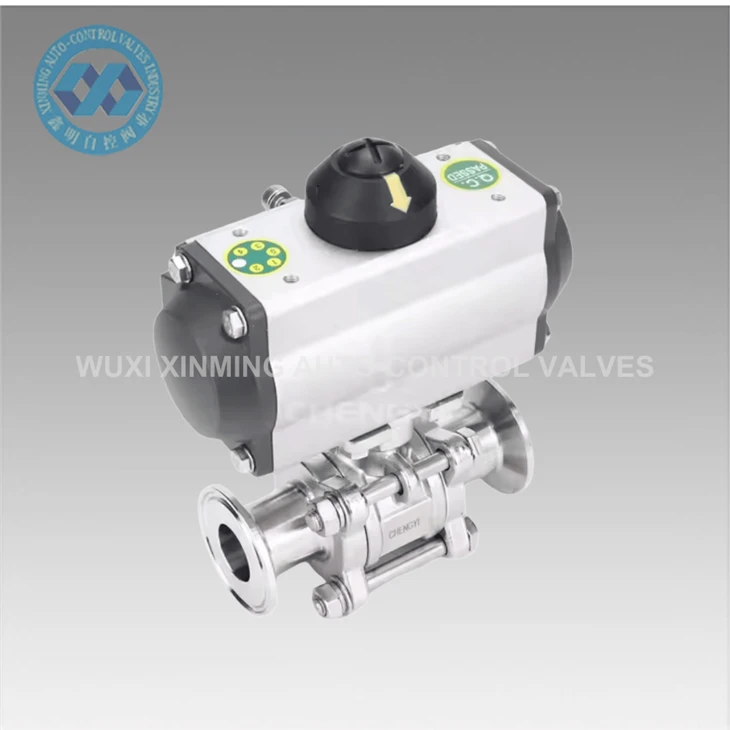
In addition to our WCB Ball Valves, we also offer a variety of other types of valves, including Stainless Steel Sanitary Pneumatic Three-piece Ball Valve, Pneumatic Equipment WCB/SS304/SS316 V Type Pneumatic Flange/Welded/Thread Cast Forged Ball Valve, and Stainless Steel Pneumatic Flange Ball Valve. These valves are designed and manufactured to the same high standards of quality and performance as our WCB Ball Valves, and they're suitable for a wide range of applications.
So, if you're looking for high-quality valves that you can rely on, look no further than our company. We're committed to providing our customers with the best products and services possible, and we're confident that you'll be satisfied with your purchase.

If you're interested in learning more about our products or if you have any questions or comments, please feel free to contact us. We'd love to hear from you and help you find the right valve for your needs.
References:
- American National Standards Institute (ANSI)
- International Organization for Standardization (ISO)