As a seasoned supplier of thin ball valves, I've often encountered questions from customers regarding the installation process. One of the most frequent inquiries is whether thin ball valves require special tools for installation. In this blog post, I'll delve into this topic, providing a comprehensive answer based on my years of experience in the industry.
Understanding Thin Ball Valves
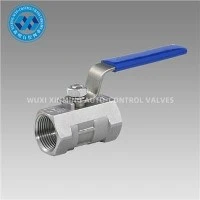
Before we discuss the installation tools, let's first understand what thin ball valves are. Thin ball valves are a type of quarter - turn valve that uses a hollow, perforated, and pivoting ball to control flow through it. They are known for their compact design, which makes them suitable for applications where space is limited. These valves are commonly used in various industries such as oil and gas, chemical processing, and water treatment.
Standard Tools for General Installation
In most cases, the installation of thin ball valves does not necessarily require special tools. For basic installations, the following standard tools are usually sufficient:
Wrenches
Adjustable wrenches or socket wrenches are essential for tightening the nuts and bolts during the installation process. These wrenches come in different sizes, and you need to select the appropriate one according to the valve's connection size. For example, if the valve has a 1 - inch threaded connection, you'll need a wrench that can fit the corresponding nut size.
Pipe Cutters
If you need to cut the pipes to fit the valve, pipe cutters are a must - have tool. They can provide a clean and precise cut, ensuring a proper fit between the valve and the pipes. There are different types of pipe cutters available, such as manual pipe cutters and power pipe cutters. Manual pipe cutters are suitable for small - diameter pipes, while power pipe cutters are more efficient for larger - diameter pipes.
Sealant Applicators
To prevent leaks, it's important to use sealants on the threaded connections. Sealant applicators, such as brushes or tubes, are used to apply the sealant evenly on the threads. This helps to create a tight and leak - free connection between the valve and the pipes.
Situations Where Special Tools Might Be Required
However, there are certain situations where special tools may be needed for the installation of thin ball valves:
High - Pressure Applications
In high - pressure systems, the valve connections need to be tightened to a specific torque value to ensure safety and prevent leaks. In such cases, a torque wrench is required. A torque wrench allows you to apply a precise amount of force when tightening the nuts and bolts. This is crucial because over - tightening or under - tightening can lead to serious problems, such as leaks or damage to the valve.
Automated Valves
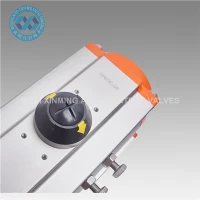
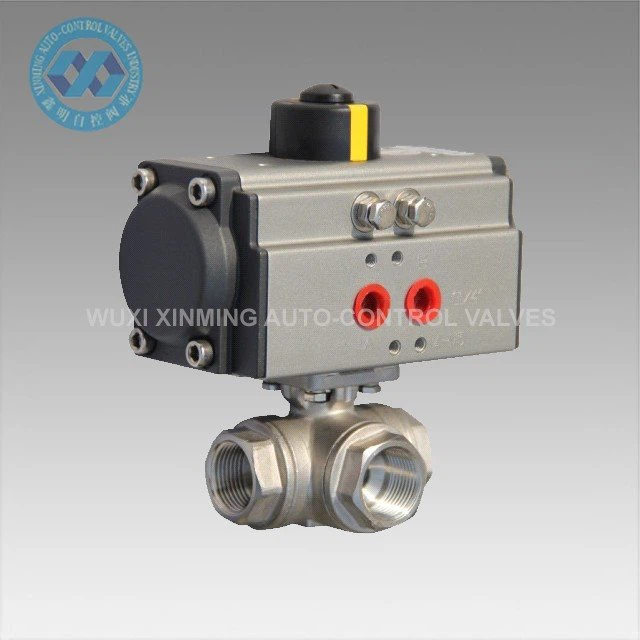
If you're installing Pneumatic Ball Valve, special tools may be needed for the installation of the actuator. Pneumatic actuators require proper alignment and connection to the valve body. Tools such as alignment jigs and specialized wrenches may be necessary to ensure a correct installation. These tools help to position the actuator accurately and secure it firmly to the valve.
Flanged Valves
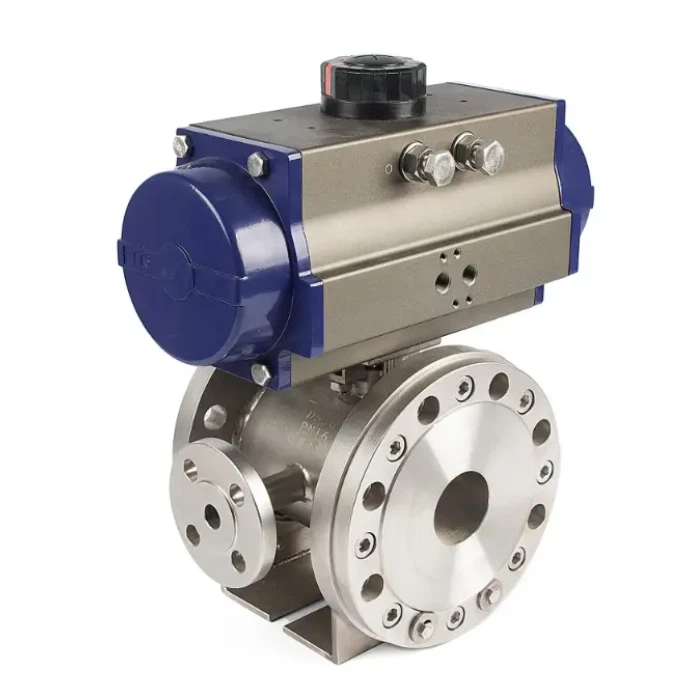
For Stainless Steel Flanged Floating Jacketed Ball Valve For Investment Casting, flange spreaders may be required during the installation. Flange spreaders are used to separate the flanges slightly, allowing the valve to be inserted easily between the pipes. This is especially useful when the pipes are already in place and it's difficult to align the valve without spreading the flanges.
Threaded Valves in Tight Spaces
When installing 3PC Thread Ball Valve in tight spaces, a specialized offset wrench or a deep - socket wrench may be needed. These tools can reach the nuts and bolts in confined areas where a regular wrench cannot fit.
Our Company's Support for Installation
As a thin ball valve supplier, we understand that the installation process can be challenging for some customers. That's why we offer comprehensive support to our clients. We provide detailed installation instructions with every valve we sell. These instructions include step - by - step guides, torque values (if applicable), and safety precautions.
In addition, our technical support team is always ready to assist you. If you have any questions about the installation process or need advice on which tools to use, you can reach out to us. We can also provide on - site training if necessary, especially for large - scale projects or complex installations.
Contact Us for Your Thin Ball Valve Needs
Whether you're a professional installer or a DIY enthusiast, we have the right thin ball valves for your application. Our valves are made of high - quality materials, ensuring durability and reliable performance. We offer a wide range of thin ball valves, including different sizes, materials, and connection types.
If you're interested in purchasing our thin ball valves or have any questions about the installation process, please don't hesitate to contact us. We're committed to providing you with the best products and services. Let's work together to find the perfect valve solution for your project.