Installing a WCB Butterfly Valve in a vertical pipeline is a task that requires precision, knowledge, and the right tools. As a trusted WCB Butterfly Valve supplier, I've witnessed firsthand the importance of proper installation for optimal valve performance. In this blog, I'll guide you through the step-by-step process of installing a WCB Butterfly Valve in a vertical pipeline, sharing valuable insights and tips along the way.
Pre-Installation Preparation
Before you begin the installation process, it's crucial to conduct a thorough pre-installation check to ensure everything is in order. Here are the key steps to follow:
1. Inspect the Valve
- Carefully examine the WCB Butterfly Valve for any visible damage, such as cracks, dents, or scratches. Check the valve body, disc, stem, and seals to ensure they are in good condition.
- Verify that the valve size, pressure rating, and end connections match the requirements of your pipeline system. This information can usually be found on the valve nameplate or in the product documentation.
2. Prepare the Pipeline
- Clean the inside of the vertical pipeline to remove any debris, dirt, or rust that could interfere with the valve's operation. Use a pipe cleaner or a wire brush to scrub the pipeline walls thoroughly.
- Check the pipeline alignment to ensure it is straight and free from any bends or offsets. Misaligned pipelines can cause stress on the valve and lead to premature failure.
- Measure the pipeline diameter and length to ensure it is compatible with the valve's dimensions. Make any necessary adjustments to the pipeline if needed.
3. Gather the Necessary Tools and Materials
- Collect all the tools and materials you'll need for the installation, including wrenches, screwdrivers, gaskets, bolts, and nuts. Make sure you have the correct size and type of tools for the job.
- Prepare the appropriate safety equipment, such as gloves, safety glasses, and a hard hat, to protect yourself during the installation process.
Installation Process
Once you've completed the pre-installation preparation, you're ready to start installing the WCB Butterfly Valve in the vertical pipeline. Follow these steps carefully to ensure a successful installation:
1. Position the Valve
- Lift the WCB Butterfly Valve into position and align it with the pipeline flanges. Make sure the valve is centered and the flange holes are properly aligned.
- Insert the gaskets between the valve flanges and the pipeline flanges. Gaskets help to create a tight seal and prevent leaks. Choose the appropriate gasket material based on the operating conditions of your pipeline system, such as temperature, pressure, and fluid type.
2. Install the Bolts and Nuts
- Insert the bolts through the flange holes and hand-tighten the nuts. Make sure the bolts are evenly spaced and tightened to the recommended torque specification. Over-tightening the bolts can damage the valve or the pipeline flanges, while under-tightening can result in leaks.
- Use a torque wrench to tighten the bolts to the specified torque value. Refer to the valve manufacturer's instructions for the recommended torque settings.
3. Connect the Actuator (if applicable)
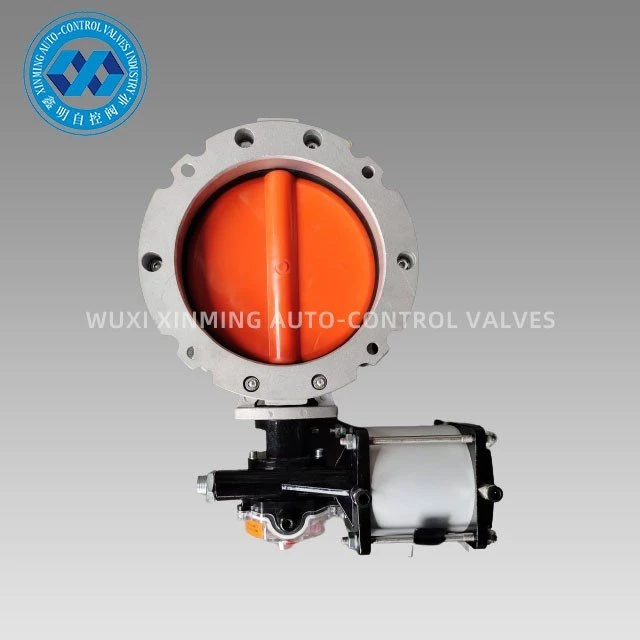
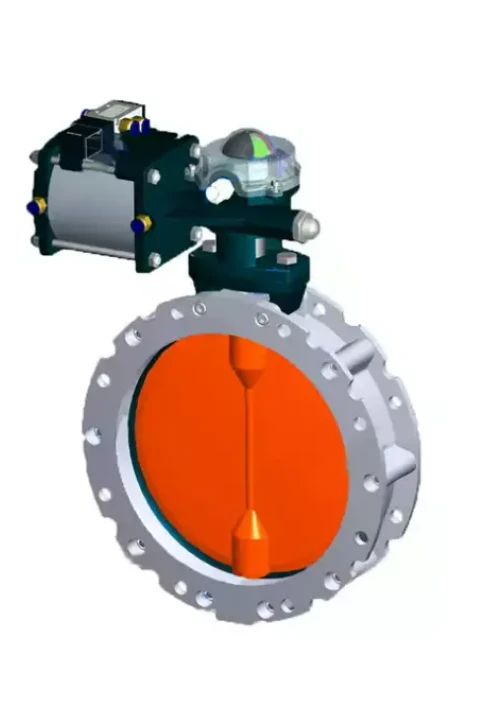
- If your WCB Butterfly Valve is equipped with an actuator, such as a pneumatic or electric actuator, follow the manufacturer's instructions to connect it to the valve. Make sure the actuator is properly aligned and securely attached to the valve stem.
- Connect the actuator's control wiring or piping to the appropriate control system. This may involve connecting electrical wires, pneumatic hoses, or hydraulic lines.
4. Test the Valve
- Once the valve is installed and connected, perform a functional test to ensure it operates smoothly. Open and close the valve several times to check for any binding or resistance.
- Check for any leaks around the valve flanges or connections. If you notice any leaks, tighten the bolts or replace the gaskets as needed.
Post-Installation Considerations
After the WCB Butterfly Valve is installed and tested, there are a few post-installation considerations to keep in mind:
1. Commissioning
- Follow the valve manufacturer's commissioning procedures to ensure the valve is properly calibrated and configured for your specific application. This may involve adjusting the actuator settings, setting the valve's opening and closing positions, or performing a leakage test.
- Train your personnel on how to operate and maintain the valve properly. Provide them with the necessary training materials and resources to ensure they understand the valve's functions and safety procedures.
2. Maintenance
- Establish a regular maintenance schedule for the WCB Butterfly Valve to ensure its long-term performance and reliability. This may include inspecting the valve for wear and tear, lubricating the moving parts, and replacing any worn or damaged components.
- Keep a record of all maintenance activities, including inspection dates, maintenance tasks performed, and any repairs or replacements made. This will help you track the valve's performance over time and identify any potential issues before they become major problems.
3. Troubleshooting
- Familiarize yourself with the common problems and troubleshooting techniques associated with WCB Butterfly Valves. This will help you quickly identify and resolve any issues that may arise during the valve's operation.
- If you encounter any problems that you're unable to resolve on your own, contact the valve manufacturer or a qualified technician for assistance.
Conclusion
Installing a WCB Butterfly Valve in a vertical pipeline requires careful planning, proper preparation, and attention to detail. By following the steps outlined in this blog and adhering to the manufacturer's instructions, you can ensure a successful installation and optimal valve performance.
As a WCB Butterfly Valve supplier, we offer a wide range of high-quality valves to meet your specific needs. Whether you're looking for a DN25 Pneumatic Dust Aluminum Butterfly Valve, a Sturdy And Reliable Pneumatic Double Eccentric Flange Butterfly Valve, or a Pneumatic Dust Butterfly Valve, we have the expertise and products to help you find the right solution.
If you have any questions or would like to discuss your valve requirements further, please don't hesitate to contact us. Our team of experts is ready to assist you with your valve selection, installation, and maintenance needs.