Hey there! As a supplier of ceramic ball valves, I often get asked how ceramic ball valves stack up against metal ball valves. So, I thought I'd share my insights on this topic.
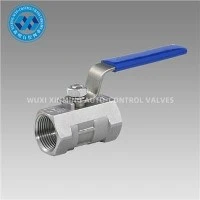
First off, let's talk about what ball valves are. They're a type of valve that uses a hollow, perforated, and pivoting ball to control flow through it. When the ball's hole is in line with the flow, it's open, and when it's perpendicular, it's closed. Simple, right? Now, let's dive into the differences between ceramic and metal ball valves.
Material Properties
The most obvious difference is the material. Metal ball valves are typically made from materials like stainless steel, brass, or cast iron. These metals are known for their strength and durability. They can handle high pressures and temperatures, making them suitable for a wide range of industrial applications.


On the other hand, ceramic ball valves are made from advanced ceramics, such as alumina, zirconia, or silicon carbide. Ceramics are extremely hard and wear-resistant. In fact, they're much harder than most metals. This hardness gives ceramic ball valves a significant advantage in applications where there's a lot of abrasion or erosion.
Wear Resistance
One of the biggest benefits of ceramic ball valves is their superior wear resistance. In industries like mining, power generation, and chemical processing, fluids often contain abrasive particles. These particles can quickly wear down metal ball valves, leading to leaks and reduced performance.
Ceramic ball valves, however, can withstand the constant abrasion from these particles. Their hard surface resists scratching and erosion, which means they have a much longer service life. This can save you a lot of money in the long run, as you won't have to replace the valves as often.
Corrosion Resistance
Corrosion is another major concern in many industries. Metal ball valves can be prone to corrosion, especially when they're exposed to harsh chemicals or acidic environments. Over time, corrosion can weaken the valve and cause it to fail.
Ceramic materials are highly resistant to corrosion. They don't react with most chemicals, making them ideal for use in corrosive applications. Whether it's in a chemical plant or a wastewater treatment facility, ceramic ball valves can maintain their integrity and performance even in the toughest conditions.
Sealing Performance
A good seal is crucial for any valve. Metal ball valves rely on the smooth surface of the ball and the seat to create a tight seal. However, over time, the surface can wear down, leading to leaks.
Ceramic ball valves have a very smooth surface, which allows for an excellent seal. The hardness of the ceramic also means that the surface doesn't wear easily, so the seal remains tight for a longer period. This is especially important in applications where even a small leak can be a big problem, like in the oil and gas industry.
Cost
When it comes to cost, metal ball valves are generally cheaper upfront. The materials used to make them are more readily available and less expensive to produce. However, you have to consider the long-term costs.
As I mentioned earlier, ceramic ball valves have a much longer service life. They require less maintenance and replacement, which can offset the higher initial cost. In the long run, ceramic ball valves can actually be more cost-effective, especially in applications where reliability is key.
Applications
Both ceramic and metal ball valves have their own areas of expertise. Metal ball valves are commonly used in general industrial applications, such as water supply systems, HVAC systems, and light chemical processing. They're also a popular choice for residential plumbing due to their lower cost.
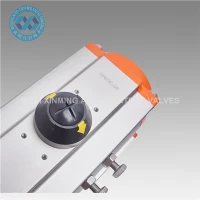
Ceramic ball valves, on the other hand, are often used in more demanding applications. They're ideal for industries like mining, where the valves are exposed to abrasive slurries. They're also commonly used in chemical processing, where corrosion resistance is crucial. You can find ceramic ball valves in Pneumatic Ball Valve systems, Vacuum Ball Valve setups, and 1PC Thread Ball Valve applications where their unique properties are highly valued.
Conclusion
So, how does a ceramic ball valve compare to a metal ball valve? It really depends on your specific needs. If you're looking for a cost-effective solution for general applications, a metal ball valve might be the way to go. But if you're dealing with abrasive or corrosive environments, or if you need a valve with a long service life and excellent sealing performance, then a ceramic ball valve is the better choice.
As a supplier of ceramic ball valves, I'm confident in the quality and performance of our products. If you're interested in learning more about our ceramic ball valves or if you have any questions about which valve is right for your application, don't hesitate to reach out. We're here to help you make the best decision for your business. Let's start a conversation and see how we can work together to meet your valve needs.
References
- Valve Handbook by Robert W. McKetta
- Industrial Valves: Selection and Sizing by J. Paul Tullis