Hey there! As a supplier of Ceramic Ball Valve, I often get asked about how to adjust the opening degree of these valves. So, I thought I'd share some insights on this topic.
First off, let's understand why adjusting the opening degree of a ceramic ball valve matters. In many industrial applications, precise control of fluid flow or pressure is crucial. Whether you're dealing with chemical processes, water treatment, or even some high - tech manufacturing, knowing how to adjust the valve's opening can make a big difference in the efficiency and safety of your operations.
There are a few different ways to adjust the opening degree of a ceramic ball valve, and it largely depends on the type of actuator it's paired with.
Manual Actuators
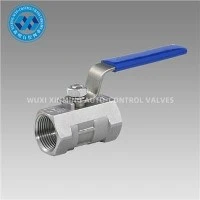
If your ceramic ball valve has a manual actuator, it's the most straightforward case. Usually, these valves come with a handwheel or a lever. You just need to physically turn the handwheel or move the lever to change the position of the ball inside the valve.
For example, if you want to increase the flow, turn the handwheel clockwise (in most cases, but always check the valve's instruction manual). As you turn, the ball inside the valve rotates, aligning its bore more with the pipeline, allowing more fluid to pass through. Conversely, if you want to reduce the flow, turn the handwheel counter - clockwise to partially block the bore.
The great thing about manual actuators is their simplicity. There's no complex technology involved, and you have direct control over the valve's opening. However, it's not suitable for applications that require frequent and precise adjustments.
Pneumatic Actuators
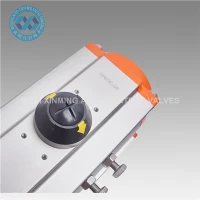
Pneumatic actuators are a popular choice when it comes to ceramic ball valves, especially in industrial settings. We have a great product, the Intelligent - driven Double - acting Pneumatic Plastic Actuator Ball Valve For Precise Opening Control.


With a pneumatic actuator, the adjustment is done by controlling the air pressure. The actuator is connected to an air supply, and the controller regulates the amount of air going in and out of the actuator.
When you increase the air pressure on one side of the actuator, it moves the piston, which in turn rotates the ball in the valve to increase the opening. Decreasing the air pressure or increasing it on the opposite side will close the valve.
One advantage of pneumatic actuators is their speed. They can make adjustments relatively quickly, which is great for applications where rapid changes in flow are needed. Also, they are generally more reliable in harsh industrial environments compared to some other types of actuators.
Electric Actuators
Electric actuators are another option for adjusting the opening degree of ceramic ball valves. These actuators use an electric motor to turn the ball in the valve.
The adjustment is typically done through a control signal. You can use a control panel or a programmable logic controller (PLC) to send a signal to the electric actuator. The actuator then moves the ball to the desired position based on the received signal.
Electric actuators offer high precision. You can set very specific opening degrees, which is essential in applications like semiconductor manufacturing where even the slightest change in flow can affect the quality of the product.
Some Tips for Adjusting
When adjusting the opening degree of a ceramic ball valve, always start slowly. Whether it's a manual, pneumatic, or electric actuator, sudden and large adjustments can cause problems. For example, a sudden increase in flow can lead to pressure surges in the pipeline, which might damage the valve or other components in the system.
Also, keep an eye on the pressure and flow meters in your pipeline. This will help you understand how the adjustment is affecting the overall system. If you notice any abnormal readings, stop the adjustment immediately and check for any issues.
Regular maintenance of the valve and its actuator is also important. For pneumatic actuators, make sure the air supply is clean and dry to prevent damage to the actuator. For electric actuators, check the electrical connections regularly.
Our Product Range
As a ceramic ball valve supplier, we offer a wide range of products to meet different needs. Besides the Intelligent - driven Double - acting Pneumatic Plastic Actuator Ball Valve For Precise Opening Control, we also have the Pneumatic 3PC Stainless Steel Ball Valve.
This pneumatic 3PC stainless steel ball valve is known for its durability and reliability. The 3 - piece design makes it easy to maintain and repair, and the stainless - steel construction ensures it can withstand harsh environments.
Whether you're a small - scale operation or a large industrial plant, we have the right ceramic ball valve for you. Our team of experts is always ready to help you select the best valve and actuator combination for your specific application.
Let's Connect
If you're interested in learning more about our ceramic ball valves or need help with adjusting the opening degree of your existing valve, don't hesitate to reach out. We're here to provide you with the best solutions for your valve - related needs. Contact us for a quote or to start a purchase negotiation.
References
- Industrial Valve Handbook
- Valve Installation and Maintenance Guides