Pneumatic actuators are essential components in various industrial applications, offering reliable and efficient control of valves and other mechanical devices. As a leading pneumatic actuator supplier, I am excited to share with you how these remarkable devices work and why they are a popular choice in the industry.
Basic Principles of Pneumatic Actuators
At the heart of a pneumatic actuator is the conversion of compressed air energy into mechanical motion. This process is based on the principles of fluid dynamics and the behavior of gases under pressure. When compressed air is introduced into the actuator, it creates a force that acts on a piston or a diaphragm, causing it to move. This movement is then transferred to the valve or other device being controlled, resulting in the desired operation.


Components of a Pneumatic Actuator
A typical pneumatic actuator consists of several key components, each playing a crucial role in its operation. These components include:
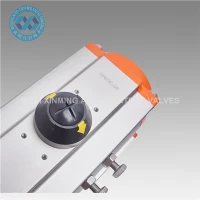
- Cylinder: The cylinder is the main body of the actuator, housing the piston or diaphragm. It is designed to withstand the pressure of the compressed air and provide a sealed environment for the movement of the internal components.
- Piston or Diaphragm: The piston or diaphragm is the moving part of the actuator that converts the pressure of the compressed air into mechanical motion. In a piston actuator, the piston moves back and forth within the cylinder, while in a diaphragm actuator, the diaphragm flexes to create the movement.
- Rod: The rod is connected to the piston or diaphragm and transfers the movement to the valve or other device being controlled. It is typically made of a strong and durable material, such as stainless steel, to ensure reliable operation.
- End Caps: The end caps are located at the ends of the cylinder and provide a sealed enclosure for the internal components. They also contain ports for the introduction and exhaust of compressed air.
- Seals: Seals are used to prevent the leakage of compressed air from the actuator. They are typically made of rubber or other elastomeric materials and are designed to provide a tight seal between the moving and stationary components.
Types of Pneumatic Actuators
There are several types of pneumatic actuators available, each designed for specific applications and requirements. The most common types include:
- Single Acting Actuators: Single acting actuators use compressed air to move the piston or diaphragm in one direction, while a spring or other mechanical device is used to return it to its original position. These actuators are typically used in applications where a fail-safe position is required, such as in emergency shutdown systems.
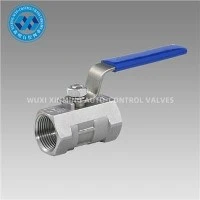
- Double Acting Actuators: Double acting actuators use compressed air to move the piston or diaphragm in both directions. They are more versatile than single acting actuators and can be used in a wider range of applications. Double acting actuators are available in a variety of configurations, including ISO standard designs. For example, our ISO Standard Double Acting Stainless Steel Pneumatic Actuator Ball Valve offers high performance and reliability in demanding industrial environments.
- 3 Position Pneumatic Actuators: 3 position pneumatic actuators provide three distinct positions for the valve or other device being controlled. They are typically used in applications where precise positioning is required, such as in process control systems. Our 3 Position Pneumatic Actuator offers accurate and reliable operation in a compact design.
- Energy-efficient Actuators: Energy-efficient pneumatic actuators are designed to reduce energy consumption and operating costs. They typically use advanced technologies, such as low-friction seals and optimized piston designs, to minimize the amount of compressed air required for operation. Our Energy-efficient Aluminum Double Acting Butterfly Valve Pneumatic Actuator is a great example of an energy-efficient actuator that offers high performance and reliability.
Working Process of a Pneumatic Actuator
The working process of a pneumatic actuator can be divided into several steps:
- Compressed Air Supply: Compressed air is supplied to the actuator through a control valve or other means. The pressure of the compressed air is typically regulated to ensure consistent and reliable operation.
- Actuation: When the control valve is opened, compressed air enters the actuator and acts on the piston or diaphragm. This creates a force that causes the piston or diaphragm to move, which in turn moves the rod and the valve or other device being controlled.
- Movement: The movement of the piston or diaphragm is transferred to the valve or other device through the rod. The valve or device then moves to the desired position, such as open or closed.
- Exhaust: When the control valve is closed, the compressed air is exhausted from the actuator, allowing the piston or diaphragm to return to its original position. This is typically achieved through a vent or other exhaust port.
Advantages of Pneumatic Actuators
Pneumatic actuators offer several advantages over other types of actuators, including:
- High Speed and Response Time: Pneumatic actuators can operate at high speeds and provide rapid response times, making them ideal for applications where quick action is required.
- Reliability: Pneumatic actuators are known for their reliability and durability. They are designed to withstand harsh industrial environments and can operate continuously for long periods of time without requiring frequent maintenance.
- Safety: Pneumatic actuators are inherently safe to use, as they do not generate sparks or other sources of ignition. They are also less likely to cause electrical hazards compared to electric actuators.
- Cost-effectiveness: Pneumatic actuators are generally more cost-effective than other types of actuators, especially in large-scale applications. They require less complex control systems and can be easily integrated into existing pneumatic systems.
- Versatility: Pneumatic actuators are available in a wide range of sizes, configurations, and materials, making them suitable for a variety of applications. They can be used to control valves, dampers, cylinders, and other mechanical devices.
Applications of Pneumatic Actuators
Pneumatic actuators are used in a wide range of industries and applications, including:
- Oil and Gas: Pneumatic actuators are used in the oil and gas industry to control valves in pipelines, refineries, and offshore platforms. They are essential for ensuring the safe and efficient operation of these facilities.
- Chemical and Petrochemical: In the chemical and petrochemical industry, pneumatic actuators are used to control valves in chemical processing plants, storage tanks, and pipelines. They are designed to withstand the corrosive and hazardous environments typically found in these industries.
- Power Generation: Pneumatic actuators are used in power generation plants to control valves in steam turbines, boilers, and other equipment. They are critical for maintaining the stability and efficiency of the power generation process.
- Food and Beverage: In the food and beverage industry, pneumatic actuators are used to control valves in processing equipment, packaging machines, and conveyor systems. They are designed to meet the strict hygiene and safety requirements of this industry.
- Automotive: Pneumatic actuators are used in the automotive industry to control valves in engines, transmissions, and braking systems. They are essential for ensuring the performance and safety of vehicles.
Conclusion
Pneumatic actuators are essential components in various industrial applications, offering reliable and efficient control of valves and other mechanical devices. As a pneumatic actuator supplier, we are committed to providing high-quality products and excellent customer service. Our wide range of pneumatic actuators, including ISO standard double acting stainless steel actuators, 3 position actuators, and energy-efficient actuators, are designed to meet the diverse needs of our customers.
If you are interested in learning more about our pneumatic actuators or have any questions about their applications, please do not hesitate to contact us. We look forward to discussing your specific requirements and helping you find the right solution for your needs.
References
- "Pneumatic Actuators: Principles, Types, and Applications." Hydraulics & Pneumatics, 2023.
- "The Basics of Pneumatic Actuators." Machine Design, 2022.
- "Pneumatic Actuators in Industrial Automation." Control Engineering, 2021.