In the realm of fluid control systems, valves play a pivotal role in regulating the flow, pressure, and direction of various substances. Among the plethora of valve types available in the market, PVC butterfly valves stand out due to their unique characteristics and applications. As a leading PVC butterfly valve supplier, I am well - versed in the differences between PVC butterfly valves and other types of valves. In this blog, I will delve into these disparities to help you make an informed decision when selecting the right valve for your specific needs.
Structural Design
One of the most significant differences between PVC butterfly valves and other valve types lies in their structural design. A PVC butterfly valve consists of a disc mounted on a rotating shaft within a pipe. When the valve is open, the disc rotates to a position parallel to the flow of the fluid, allowing unrestricted passage. Conversely, when the valve is closed, the disc rotates 90 degrees to block the flow.
In contrast, gate valves, for example, have a wedge - shaped gate that moves up and down to control the flow. This linear motion requires more space for installation compared to the compact design of a PVC butterfly valve. Globe valves, on the other hand, have a plug - like disc that moves perpendicular to the seat to regulate flow. The complex internal structure of globe valves often leads to higher pressure drops compared to PVC butterfly valves.
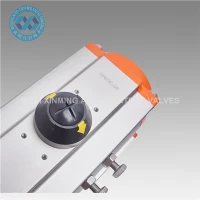
The simplicity of the PVC butterfly valve's design makes it easier and faster to operate. A simple quarter - turn of the handle or actuator can fully open or close the valve, which is highly efficient in applications where quick shut - off is required.
Material and Corrosion Resistance
As the name suggests, PVC (Polyvinyl Chloride) is the primary material used in PVC butterfly valves. PVC is known for its excellent corrosion resistance, especially against a wide range of acids, alkalis, and salts. This makes PVC butterfly valves ideal for applications in chemical processing plants, water treatment facilities, and irrigation systems, where the fluid being transported can be highly corrosive.
Other valve types may be made from materials such as metal (e.g., cast iron, stainless steel). While metal valves can offer high strength and durability, they are more prone to corrosion in certain environments. For instance, a cast iron valve may rust when exposed to water and oxygen over time, leading to reduced performance and a shorter lifespan.
However, for applications that require high - temperature resistance or extreme pressure handling, metal valves like the High Performance Stainless Steel Butterfly Valve may be a better choice. Stainless steel offers good corrosion resistance and can withstand higher temperatures and pressures compared to PVC.
Cost - effectiveness
Cost is an important factor when choosing a valve for any project. PVC butterfly valves are generally more cost - effective than many other valve types. The raw material, PVC, is relatively inexpensive compared to metals, and the simple manufacturing process of PVC butterfly valves further reduces production costs.
Installation costs are also lower for PVC butterfly valves. Their lightweight design makes them easier to handle and install, reducing labor costs. Additionally, the compact size of PVC butterfly valves means less space is required for installation, which can save on infrastructure costs.
In contrast, valves made from high - quality metals such as stainless steel or those with complex designs (e.g., Triple Eccentric Butterfly Valve) can be significantly more expensive. These valves are often used in applications where their specific performance characteristics are essential, such as in high - pressure steam systems or critical industrial processes.
Flow Characteristics
PVC butterfly valves offer relatively low pressure drops across the valve when fully open. The streamlined disc design allows for a smooth flow of fluid, minimizing energy losses. This makes them suitable for applications where maintaining a high flow rate is crucial, such as in large - scale water distribution systems.
Some other valve types, like check valves, are designed primarily to prevent backflow rather than to regulate flow rate. They may have a higher pressure drop due to their internal structure, which includes a movable disc or ball that blocks the reverse flow.
However, in applications where precise flow control is required, PVC butterfly valves may have limitations. Their flow control is generally less accurate compared to globe valves, which can provide more precise throttling of the flow due to their design that allows for fine - adjustment of the disc position.
Sealing Performance
The sealing performance of a valve is crucial to prevent leakage. PVC butterfly valves typically use an elastomeric seat to provide a tight seal when the valve is closed. This seat material can be selected based on the specific application requirements, such as resistance to chemicals or high temperatures.
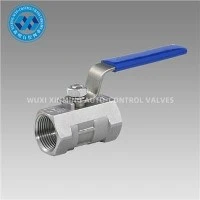
In comparison, ball valves use a spherical ball with a hole in the center to control flow. The ball has a tight - fitting seal against the valve body, which can provide excellent sealing performance, especially in applications where zero - leakage is required. However, the sealing mechanism of ball valves may be more prone to damage from particulate matter in the fluid compared to PVC butterfly valves.

Hygiene and Sanitation
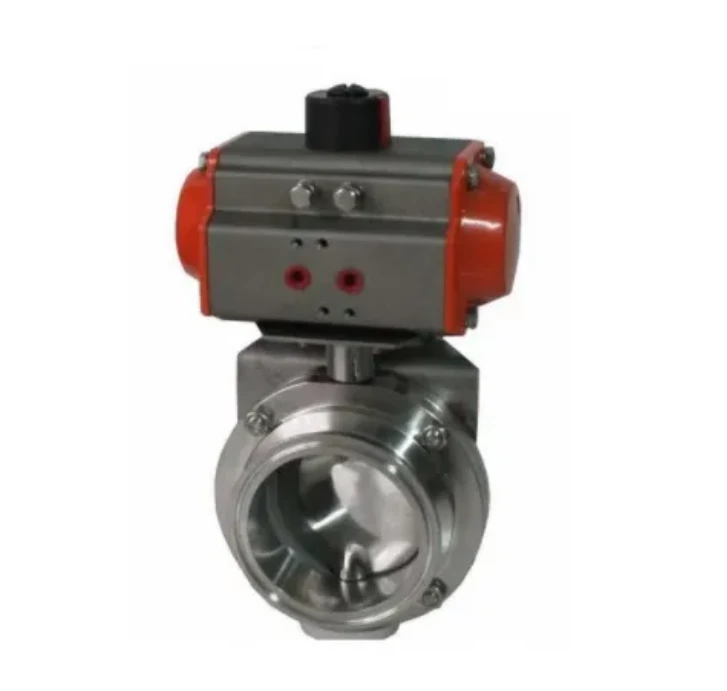
In applications where hygiene is a top priority, such as in the food and beverage industry or pharmaceutical manufacturing, the Pneumatic Sanitary Butterfly Valve offers a suitable solution. PVC butterfly valves can also be designed to meet sanitary requirements, with smooth internal surfaces that are easy to clean and sterilize.
Other valve types may have crevices or dead spaces where bacteria and contaminants can accumulate, making them less suitable for sanitary applications. For example, some traditional gate valves may have areas where fluid can stagnate, increasing the risk of microbial growth.
Application Range
PVC butterfly valves are commonly used in a wide range of applications, including water treatment, chemical processing, and irrigation. Their versatility, corrosion resistance, and cost - effectiveness make them a popular choice in these industries.
However, there are applications where other valve types are more appropriate. For example, in high - pressure gas pipelines, ball valves or gate valves may be preferred due to their ability to handle high pressures and provide a reliable seal. In steam systems, globe valves or specialized high - temperature valves are often used to control the flow and pressure of steam.
Conclusion
In summary, PVC butterfly valves have distinct differences from other types of valves in terms of structural design, material, cost - effectiveness, flow characteristics, sealing performance, hygiene, and application range. As a PVC butterfly valve supplier, I understand that each project has unique requirements, and choosing the right valve is crucial for the success of the system.
If you are in the process of selecting a valve for your project, I encourage you to carefully consider the factors mentioned above. Whether you need a valve for a small - scale water treatment system or a large - scale industrial process, our team of experts can provide you with professional advice and high - quality PVC butterfly valves. We are committed to helping you find the most suitable valve solution for your specific needs. If you have any questions or would like to discuss your valve requirements, please feel free to contact us for a detailed consultation and procurement discussion.
References
- Valve Handbook, edited by E. O. Doebelin.
- Fluid Mechanics and Thermodynamics of Turbomachinery, by S. L. Dixon.
- Chemical Engineering Design, by Gavin Towler and Ray Sinnott.