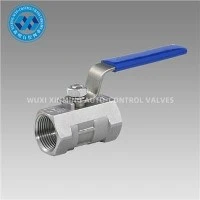
As a supplier of 110V solenoid valves, I often encounter questions from customers regarding the suitability of these valves for various applications, especially in irrigation systems. This blog post aims to provide a comprehensive analysis of whether a 110V solenoid valve can be used in an irrigation system, taking into account different aspects such as electrical requirements, performance, and practical considerations.
Understanding Solenoid Valves in Irrigation Systems
Irrigation systems are designed to deliver water efficiently to agricultural fields, gardens, or landscapes. Solenoid valves play a crucial role in these systems by controlling the flow of water. They are electromechanical devices that use an electric current to control the opening and closing of a valve. When the solenoid is energized, it creates a magnetic field that moves a plunger or a diaphragm, allowing water to flow through the valve. When the power is turned off, the valve closes, stopping the water flow.
Electrical Requirements in Irrigation Systems
One of the primary considerations when using a 110V solenoid valve in an irrigation system is the electrical supply. In many regions, the standard household electrical supply is 110V, which makes these valves a convenient option for small - scale irrigation systems, such as those used in home gardens. However, larger agricultural irrigation systems may have different electrical requirements.
In agricultural settings, three - phase electrical systems are often used to power large pumps and other equipment. These systems typically operate at higher voltages, such as 220V or 480V. If a 110V solenoid valve is to be used in such a system, a step - down transformer may be required to convert the higher voltage to 110V. This adds an extra layer of complexity and cost to the installation.
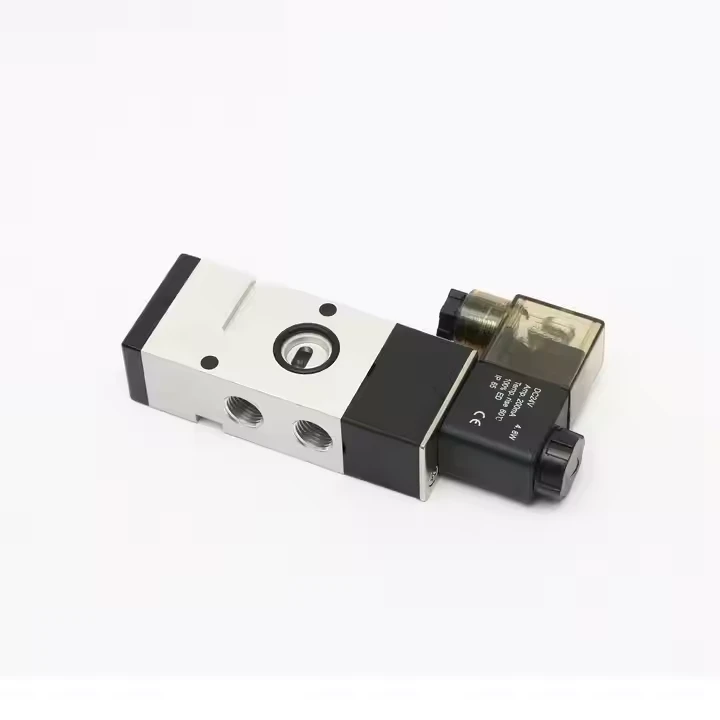
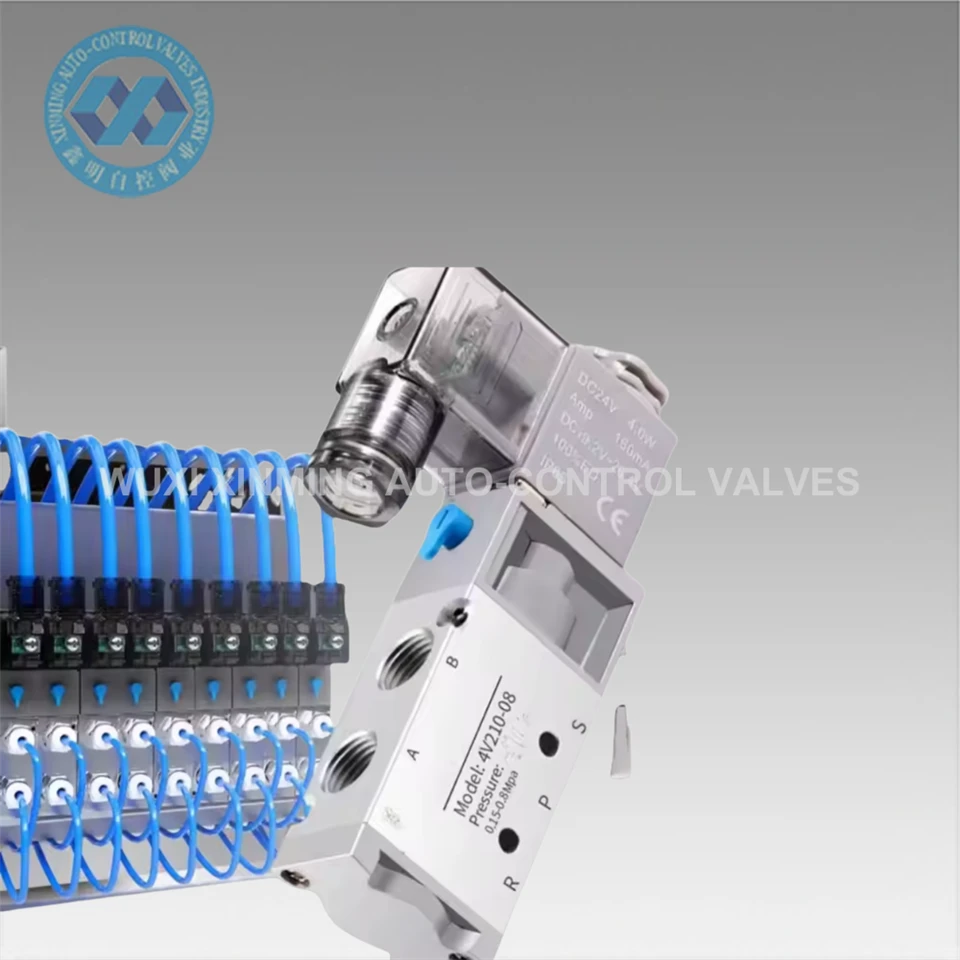
Another important aspect is the availability of a reliable power source. Irrigation systems may be located in remote areas where access to a stable electrical grid is limited. In such cases, alternative power sources like solar panels or generators may be used. When using a 110V solenoid valve, it is essential to ensure that the alternative power source can provide a consistent 110V supply. Solar power systems, for example, need to be properly sized and equipped with appropriate charge controllers and inverters to supply the required voltage.
Performance of 110V Solenoid Valves in Irrigation
The performance of a solenoid valve in an irrigation system depends on several factors, including its flow rate, pressure rating, and response time. 110V solenoid valves are available in a wide range of sizes and specifications, which can be selected based on the specific requirements of the irrigation system.
Flow rate is a critical parameter in irrigation. It determines how much water can be delivered to the plants in a given time. 110V solenoid valves can be designed to handle different flow rates, from small valves suitable for drip irrigation systems to larger ones for sprinkler or flood irrigation. When selecting a 110V solenoid valve, it is important to match the flow rate of the valve with the water demand of the irrigation area.
Pressure rating is another important factor. Irrigation systems can operate at different pressures, depending on the type of irrigation method and the elevation of the land. 110V solenoid valves are available with different pressure ratings, and it is crucial to choose a valve that can withstand the maximum pressure in the irrigation system. If the pressure exceeds the valve's rating, it may lead to leaks or premature failure of the valve.
Response time is also significant, especially in automated irrigation systems. A fast - responding solenoid valve can ensure accurate control of the water flow, allowing for precise irrigation scheduling. 110V solenoid valves generally have good response times, but it is still important to check the specifications of the specific valve to ensure it meets the requirements of the system.
Practical Considerations
In addition to electrical and performance aspects, there are several practical considerations when using a 110V solenoid valve in an irrigation system.
Installation is one of the key practical issues. The valve needs to be installed correctly to ensure proper operation. It should be installed in a location that is easily accessible for maintenance and repair. Also, the valve should be protected from the elements, especially in outdoor irrigation systems. Exposure to water, dust, and extreme temperatures can affect the performance and lifespan of the valve.
Maintenance is another important consideration. Regular maintenance of the solenoid valve is necessary to keep it in good working condition. This includes checking for leaks, cleaning the valve components, and inspecting the electrical connections. As a 110V solenoid valve supplier, we provide detailed maintenance instructions to our customers to ensure the long - term reliability of our products.
Cost is also a factor. 110V solenoid valves are generally more affordable than their higher - voltage counterparts, which makes them an attractive option for small - scale irrigation systems. However, when considering the overall cost, the additional cost of a step - down transformer (if required) and the cost of maintenance should also be taken into account.
Related Products
If you are interested in exploring other types of solenoid valves, we offer a wide range of products. You can check out our Single Acting Cylinder G18 Inch G14 Inch 4V210 - 08AC220V Electromagnetic Pneumatic Solenoid Valve, which is suitable for pneumatic applications. Our Durable Pneumatic Solenoid Valve is known for its long - lasting performance. And for those looking for a single - acting actuator solenoid valve, our Single Acting Actuator Solenoid Valve is a great choice.
Conclusion
In conclusion, a 110V solenoid valve can be used in an irrigation system, especially for small - scale home garden applications where a 110V electrical supply is readily available. However, for larger agricultural irrigation systems, careful consideration needs to be given to the electrical requirements, performance, and practical aspects. With proper selection, installation, and maintenance, a 110V solenoid valve can provide reliable and efficient control of water flow in an irrigation system.
If you are considering using a 110V solenoid valve in your irrigation system or have any questions about our products, we encourage you to contact us for a detailed discussion. Our team of experts is ready to assist you in choosing the right valve for your specific needs and provide you with the best solutions for your irrigation project.
References
- ASABE Standards. American Society of Agricultural and Biological Engineers.
- Irrigation Association. Best Practices for Irrigation System Design and Installation.