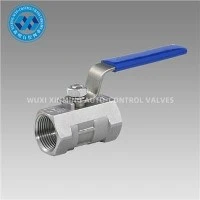
Hey there! As a supplier of 220V solenoid valves, I've seen my fair share of issues with these nifty little devices. Solenoid valves are super useful in a whole bunch of applications, from industrial machinery to home appliances. But like any piece of equipment, they can run into problems. In this blog post, I'm gonna walk you through how to troubleshoot a 220V solenoid valve.
1. Check the Power Supply
The first thing you gotta do when your solenoid valve isn't working is to check the power supply. A 220V solenoid valve needs a stable 220V electrical input to function properly. Here's how you can check it:
- Use a Multimeter: Grab a multimeter and set it to measure AC voltage. Then, carefully touch the probes to the terminals of the solenoid valve's electrical connection. You should get a reading close to 220V. If the reading is way off or there's no voltage at all, there might be an issue with the power source. Maybe a fuse is blown, or there's a problem with the wiring.
- Inspect the Wiring: Take a good look at the wiring connected to the solenoid valve. Make sure all the connections are tight and there are no loose wires. Sometimes, a loose connection can cause intermittent power problems. Also, check for any signs of damage, like frayed wires or burned insulation. If you find any damaged wiring, you'll need to replace it.
2. Listen for a Click
When the solenoid valve is energized, it should make a distinct clicking sound. This sound indicates that the solenoid coil is working and the valve is trying to open or close. Here's what you can do:
- Energize the Valve: Apply power to the solenoid valve and listen closely. If you don't hear a click, it could mean that the solenoid coil is faulty. You can try tapping the valve gently with a non - metallic object to see if it starts working. Sometimes, the valve might be stuck, and a little tap can free it up.
- Check the Coil Resistance: If you suspect the solenoid coil is bad, you can use a multimeter to measure its resistance. Set the multimeter to measure resistance (ohms). Disconnect the power to the valve and then measure the resistance across the terminals of the solenoid coil. Compare the reading with the manufacturer's specifications. If the resistance is way off or shows an open circuit (infinite resistance), the coil is probably damaged and needs to be replaced.
3. Check for Leaks
Leaks are a common problem with solenoid valves. They can cause a loss of pressure and affect the valve's performance. Here's how you can check for leaks:
- Visual Inspection: Look for any signs of fluid or gas leakage around the valve body, connections, and seals. You might see wet spots, drips, or hissing sounds, which indicate a leak. If you find a leak at a connection, try tightening the fitting. But be careful not to over - tighten, as it can damage the threads.
- Pressure Test: You can perform a pressure test to check for internal leaks. Isolate the valve from the system and apply pressure to one side of the valve. Then, check if there's any pressure drop on the other side. If there is, it means there's an internal leak, and the valve might need to be repaired or replaced.
4. Examine the Valve Body
The valve body itself can also cause problems. Here are some things to look for:
- Physical Damage: Inspect the valve body for any cracks, dents, or other physical damage. A damaged valve body can affect the valve's operation and cause leaks. If you find any significant damage, the valve will likely need to be replaced.
- Debris and Contamination: Over time, debris and contaminants can accumulate inside the valve, causing it to stick or not function properly. You can try cleaning the valve by removing it from the system and flushing it with a suitable cleaning solution. Make sure to follow the manufacturer's instructions when cleaning the valve.
5. Consider the Application
Sometimes, the problem with the solenoid valve might be related to its application. Here are some things to think about:
- Flow Rate and Pressure: Make sure the valve is rated for the flow rate and pressure of your system. If the flow rate or pressure is too high for the valve, it can cause premature wear and damage. You might need to select a different valve with a higher rating.
- Fluid Compatibility: Check if the fluid or gas passing through the valve is compatible with the valve's materials. Some fluids can corrode or damage the valve components over time. If the fluid is not compatible, you'll need to choose a valve made from materials that can withstand the fluid.
Recommended Products
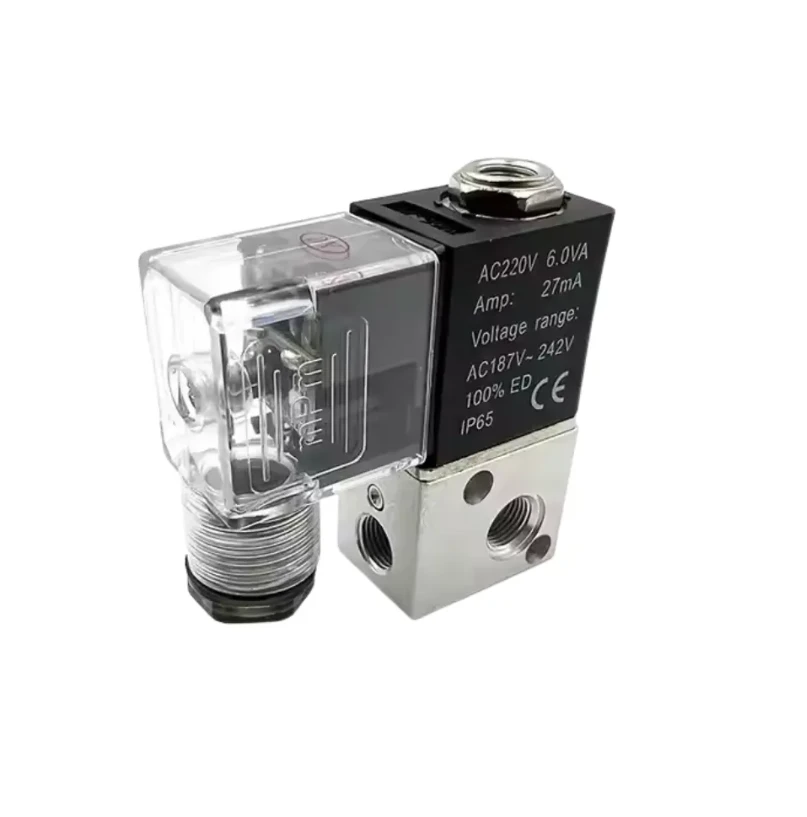
If you're in the market for a new 220V solenoid valve, we have some great options. Check out our 4M210 - 08 52 Way 5 - port Electric Actuator Solenoid Valve Air Valve, Mechanical Equipment Special, High Precision Pneumatic Air Control Solenoid Valve, and High Performance Pneumatic Actuator Solenoid Valve. These valves are designed to provide reliable performance and are suitable for a wide range of applications.
Contact Us for Purchase
If you're having trouble with your current solenoid valve or looking to purchase a new one, don't hesitate to contact us. We're here to help you find the right solution for your needs. Whether you need technical advice or want to place an order, just reach out, and our team will be happy to assist you.

References
- Manufacturer's manuals for 220V solenoid valves
- Industry standards for solenoid valve testing and troubleshooting