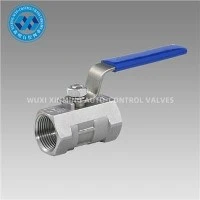
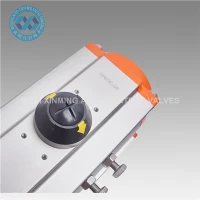
Solenoid valves are essential components in a wide range of industries, controlling the flow of liquids and gases with precision and efficiency. As a solenoid valve supplier, I've seen firsthand how these devices are integral to countless applications. In this blog, I'll delve into the working principles of solenoid valves, exploring the science behind their operation and the various types available in the market.
Basic Structure of a Solenoid Valve
At the heart of a solenoid valve is an electromagnet, which is a coil of wire wound around a core. When an electric current passes through the coil, it creates a magnetic field. This magnetic field is the driving force that enables the solenoid valve to function. The valve also consists of a valve body, a plunger, and an orifice through which the fluid or gas flows.
The plunger is a movable component that is typically made of a ferromagnetic material. It is placed inside the coil and can move freely within a limited range. The valve body houses the coil, the plunger, and the orifice, and it is designed to direct the flow of the fluid or gas.
Working Principle of a Solenoid Valve
The operation of a solenoid valve can be described in two main states: the energized state and the de - energized state.
De - energized State
When there is no electric current flowing through the coil, the solenoid valve is in its de - energized state. In this state, a spring or other mechanical means keeps the plunger in a certain position. For a normally closed (NC) solenoid valve, the plunger is pushed against the orifice, blocking the flow of the fluid or gas. For a normally open (NO) solenoid valve, the plunger is positioned away from the orifice, allowing the fluid or gas to flow freely.
Energized State
When an electric current is applied to the coil, it creates a magnetic field. The magnetic force generated by the field overcomes the force of the spring (in most cases) and moves the plunger. In a normally closed solenoid valve, the plunger is pulled away from the orifice, opening the valve and allowing the fluid or gas to flow through. In a normally open solenoid valve, the plunger is pushed towards the orifice, closing the valve and stopping the flow.
The speed at which the valve opens and closes depends on several factors, including the strength of the magnetic field, the mass of the plunger, and the force of the spring.
Types of Solenoid Valves and Their Working Mechanisms
There are several types of solenoid valves, each with its own unique working mechanism and application.
Direct - Acting Solenoid Valves
Direct - acting solenoid valves are the simplest type. They operate directly on the valve seat, without the need for any additional pressure differential. The magnetic force generated by the coil directly moves the plunger to open or close the orifice. These valves are suitable for applications with low flow rates and low pressures. For example, they are commonly used in small - scale water control systems, like those in household appliances.
Pilot - Operated Solenoid Valves
Pilot - operated solenoid valves are designed for applications with high flow rates and high pressures. They use a small pilot valve to control the pressure in a chamber above the main valve disc. When the solenoid is energized, the pilot valve opens, allowing the pressure in the chamber to drop. This pressure difference causes the main valve disc to open, allowing the fluid or gas to flow. When the solenoid is de - energized, the pilot valve closes, and the pressure in the chamber builds up, closing the main valve.
Two - Way Solenoid Valves
Two - way solenoid valves have two ports: an inlet and an outlet. They are used to control the flow of a fluid or gas in a single direction. These valves can be either normally closed or normally open, depending on the application requirements. For example, in a water supply system, a two - way normally closed solenoid valve can be used to stop the flow of water when the power is off.
Three - Way Solenoid Valves
Three - way solenoid valves have three ports and are used to divert the flow of a fluid or gas between two different paths. They can be configured in different ways, such as normally closed, normally open, or universal. Three - way solenoid valves are commonly used in applications like air conditioning systems, where they are used to control the flow of refrigerant.
Applications of Solenoid Valves
Solenoid valves find their applications in a wide variety of industries.
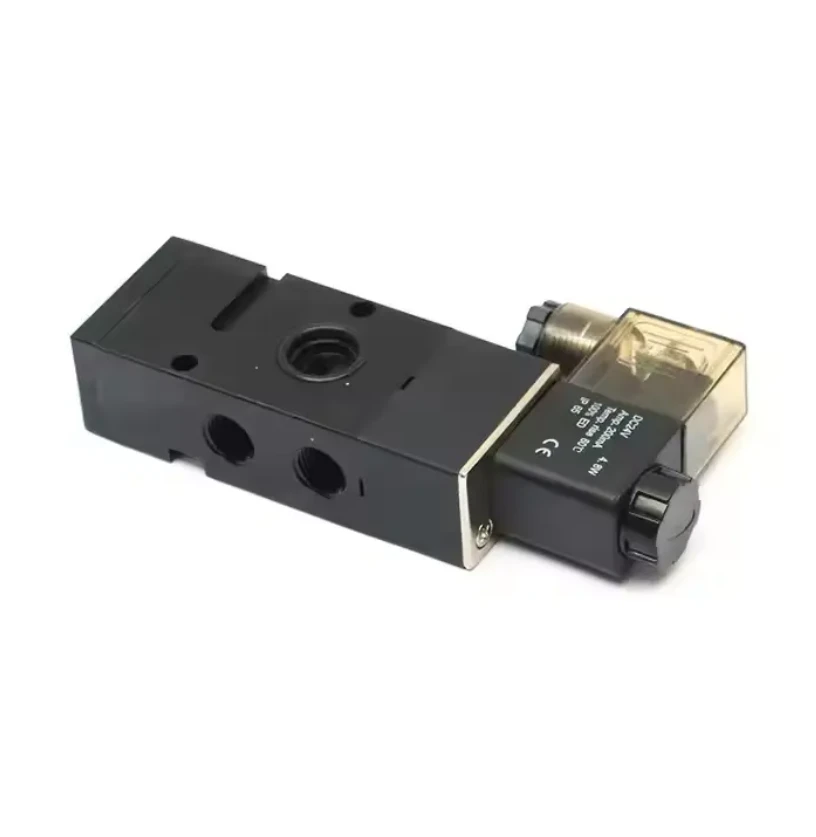

Industrial Automation
In industrial automation, solenoid valves are used to control the flow of fluids and gases in manufacturing processes. They are used in pneumatic and hydraulic systems to operate cylinders, actuators, and other components. For example, in a packaging machine, solenoid valves can be used to control the flow of compressed air to operate the grippers and sealing mechanisms.
Medical Equipment
In the medical field, solenoid valves are used in devices such as ventilators, dialysis machines, and drug delivery systems. They are used to control the flow of gases and liquids with high precision, ensuring the safety and effectiveness of medical treatments.
Home Appliances
In home appliances, solenoid valves are used in washing machines, dishwashers, and water heaters. They are used to control the flow of water, ensuring that the appliances operate efficiently.
Our Product Offerings
As a solenoid valve supplier, we offer a wide range of high - quality solenoid valves to meet the diverse needs of our customers. We have 110V Solenoid Valve, which are suitable for applications where a 110V power supply is available. These valves are designed to provide reliable performance and long - term durability.
Our Single And Double Acting Pneumatic Actuator Solenoid Valve are ideal for pneumatic control systems. They are engineered to provide precise control of the flow of compressed air, ensuring smooth operation of pneumatic actuators.
For mechanical equipment that requires special and high - precision control, we have Mechanical Equipment Special, High Precision Pneumatic Air Control Solenoid Valve. These valves are designed to meet the strict requirements of mechanical equipment, providing accurate and reliable control of the pneumatic air flow.
Why Choose Our Solenoid Valves?
- Quality Assurance: We adhere to strict quality control standards during the manufacturing process. Our solenoid valves are made from high - quality materials, ensuring their reliability and durability.
- Customization: We understand that different customers have different requirements. We offer customization services to meet the specific needs of our customers, such as customizing the valve size, voltage, and flow rate.
- Technical Support: Our team of experienced engineers is always ready to provide technical support to our customers. Whether you have questions about the installation, operation, or maintenance of our solenoid valves, we are here to help.
Contact Us for Procurement
If you are interested in our solenoid valves or have any questions about their applications, we encourage you to contact us for procurement discussions. Our sales team will be happy to assist you in selecting the right solenoid valves for your specific needs. We are committed to providing you with the best products and services.