As a trusted supplier of AT Pneumatic Actuators, I've had the privilege of delving deep into the world of these remarkable devices. One of the most crucial aspects of AT Pneumatic Actuators is the sealing materials used, which play a pivotal role in ensuring their optimal performance, reliability, and longevity. In this blog, we'll explore the various sealing materials commonly employed in AT Pneumatic Actuators, their unique properties, and how they contribute to the overall functionality of these actuators.
Rubber Seals
Rubber is one of the most widely used sealing materials in AT Pneumatic Actuators due to its excellent flexibility, resilience, and sealing capabilities. Different types of rubber are available, each with its own set of characteristics suitable for specific applications.
Nitrile Rubber (NBR)
Nitrile rubber is a popular choice for sealing applications in AT Pneumatic Actuators. It offers good resistance to oil, fuel, and a wide range of chemicals, making it suitable for use in industrial environments where exposure to these substances is common. NBR also has excellent mechanical properties, including high tensile strength and abrasion resistance, which helps to ensure a reliable seal over an extended period.
Ethylene Propylene Diene Monomer (EPDM)
EPDM rubber is known for its exceptional resistance to weathering, ozone, and UV radiation. It also has good chemical resistance, particularly to polar solvents and alkalis. These properties make EPDM an ideal choice for outdoor applications or environments where exposure to harsh weather conditions is expected. In addition, EPDM has a low compression set, which means it can maintain its shape and sealing performance even after prolonged compression.
Fluorocarbon Rubber (FKM)
Fluorocarbon rubber, commonly known as Viton, is a high-performance sealing material that offers excellent resistance to heat, chemicals, and fuels. It can withstand temperatures ranging from -20°C to +200°C, making it suitable for use in applications where high temperatures are present. FKM also has good resistance to oxidation and aging, ensuring long-term reliability in demanding environments. However, it is relatively more expensive than other rubber materials.
PTFE Seals
Polytetrafluoroethylene (PTFE), also known as Teflon, is a synthetic fluoropolymer that is widely used in sealing applications due to its unique properties. PTFE has a low coefficient of friction, which means it can provide a smooth and easy-to-operate seal. It also has excellent chemical resistance, making it compatible with a wide range of chemicals, acids, and solvents.
Virgin PTFE
Virgin PTFE is the pure form of PTFE and is commonly used in applications where high chemical purity is required. It has a high melting point and excellent thermal stability, allowing it to withstand high temperatures without degrading. However, virgin PTFE has a relatively low mechanical strength and can be prone to cold flow, which means it may deform under pressure over time.
Filled PTFE
To improve the mechanical properties of PTFE, fillers such as glass fiber, carbon fiber, or bronze are often added. These fillers enhance the strength, stiffness, and wear resistance of PTFE, making it more suitable for use in high-pressure and high-load applications. Filled PTFE also has a lower coefficient of thermal expansion, which helps to reduce the risk of leakage due to thermal cycling.
Metal Seals
Metal seals are used in applications where high temperatures, high pressures, or extreme chemical environments are present. They offer excellent sealing performance and durability, but they are generally more expensive than rubber or PTFE seals.
Stainless Steel Seals
Stainless steel is a popular choice for metal seals due to its corrosion resistance, high strength, and good thermal conductivity. It can withstand high temperatures and pressures, making it suitable for use in applications such as steam systems, chemical processing plants, and oil and gas industries. Stainless steel seals are available in various forms, including gaskets, O-rings, and washers.
Copper Seals
Copper is another metal that is commonly used in sealing applications. It has good thermal and electrical conductivity, as well as excellent corrosion resistance. Copper seals are often used in applications where a soft and malleable seal is required, such as in plumbing and HVAC systems.
Choosing the Right Sealing Material
Selecting the appropriate sealing material for AT Pneumatic Actuators depends on several factors, including the operating conditions, the type of fluid or gas being sealed, the pressure and temperature requirements, and the expected service life. Here are some guidelines to help you make the right choice:
- Operating Conditions: Consider the temperature, pressure, and chemical environment in which the actuator will operate. Choose a sealing material that can withstand these conditions without degrading or losing its sealing properties.
- Fluid or Gas Compatibility: Ensure that the sealing material is compatible with the fluid or gas being sealed. Some chemicals can react with certain sealing materials, causing them to swell, shrink, or deteriorate.
- Pressure and Temperature Requirements: Select a sealing material that can withstand the maximum pressure and temperature that the actuator will be exposed to. Check the manufacturer's specifications for the recommended operating range of the sealing material.
- Service Life: Consider the expected service life of the actuator and choose a sealing material that can provide long-term reliability. Some sealing materials may require more frequent replacement than others, depending on the application.
Conclusion
The sealing materials used in AT Pneumatic Actuators are critical components that ensure their proper functioning and performance. By understanding the different types of sealing materials available and their properties, you can make an informed decision when selecting the right sealing material for your application. Whether you need a rubber seal for general-purpose applications, a PTFE seal for high-performance requirements, or a metal seal for extreme conditions, there is a sealing material that can meet your needs.
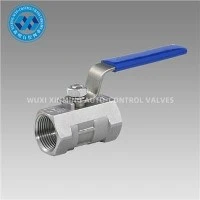
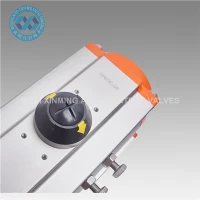
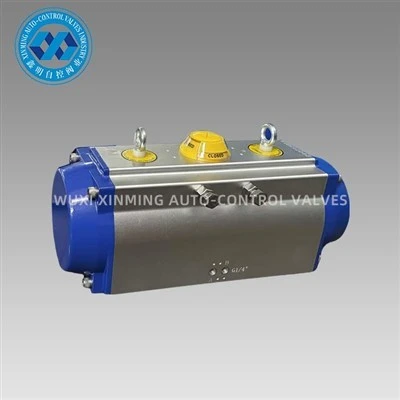
If you're in the market for high-quality AT Pneumatic Actuators or need more information about sealing materials, Pneumatic Threaded Stainless Steel Ball Valve and Corrosion-resistant Aluminum Alloy Pneumatic Actuator are great options to consider. These products are designed to provide reliable and efficient performance in a variety of applications. Additionally, Auto-control Pneumatic Actuator Ball Valves For Irrigation Systems are ideal for ensuring precise control and automation in irrigation systems.

We're here to help you find the perfect solution for your pneumatic actuator needs. If you have any questions or would like to discuss your specific requirements, please don't hesitate to contact us for a professional consultation and to start the procurement process.