Hey there! I'm a supplier of thin ball valves, and today I'm super excited to chat with you about how these nifty little devices work. Thin ball valves are pretty common in a bunch of industries, including oil and gas, chemical processing, water treatment, and even food and beverage. So, let's dig into the details!
The Basics of a Thin Ball Valve
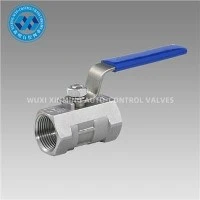
First off, let's get a clear picture of what a thin ball valve looks like and its main parts. A thin ball valve consists of a valve body, a ball, a stem, and seats. The valve body is like the outer shell that holds everything together. It's usually made of materials like stainless steel, carbon steel, or brass, depending on what the valve will be used for.
The ball is the star of the show. It's a spherical component with a hole in the middle, called a bore. When the valve is fully open, the bore aligns with the pipeline, allowing fluid (that could be liquid or gas) to flow through freely. When the valve is closed, the ball rotates so that the bore is perpendicular to the pipeline, blocking the flow.
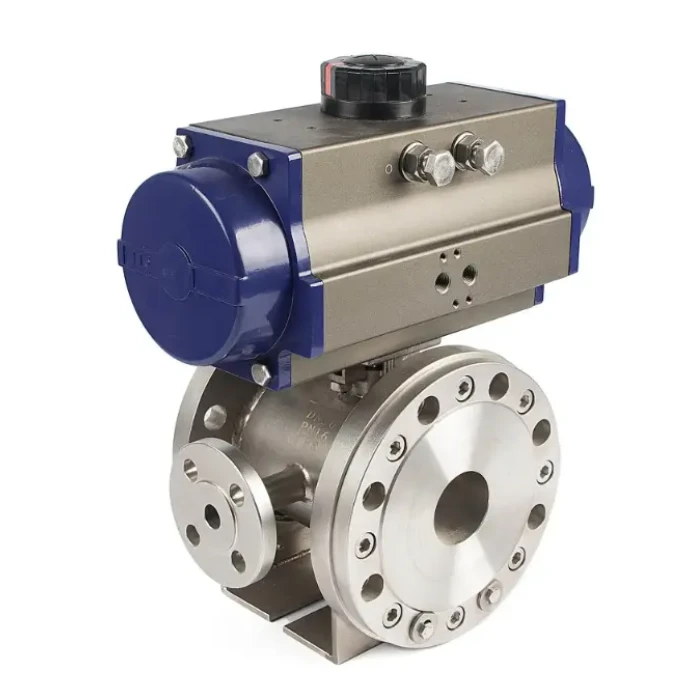
The stem is what connects the ball to the actuator. The actuator is the thing that makes the ball turn. It can be a manual handle, an electric motor, a pneumatic cylinder, or a hydraulic system. Without the stem, the actuator wouldn't be able to control the ball's movement.
And then there are the seats. These are sealing elements located on either side of the ball. They ensure a tight seal when the valve is closed, preventing any leakage. The seats are typically made of materials like PTFE (polytetrafluoroethylene), rubber, or metal, depending on the application requirements.
How It Operates
Alright, now that we know the parts, let's talk about how a thin ball valve actually works. The operation is pretty straightforward, but it's all about that rotation of the ball.
When you want to open the valve, you use the actuator to turn the stem, which in turn rotates the ball. As the ball rotates, the bore aligns with the pipeline, creating a path for the fluid to flow. The fluid can then move through the valve with minimal resistance because the bore is designed to have a similar diameter to the pipeline. This is great for keeping the flow rate high and reducing energy consumption.
Closing the valve is the opposite process. You use the actuator to turn the stem in the other direction, rotating the ball so that the bore is perpendicular to the pipeline. This blocks the flow of fluid completely. The seats play a crucial role here. When the ball rotates into the closed position, it presses against the seats, creating a tight seal. This seal prevents any fluid from leaking past the valve, even under high pressure.
One of the cool things about thin ball valves is their quick - acting nature. You can open or close them with just a 90 - degree turn of the ball. This makes them really useful in applications where you need to control the flow rapidly, like in emergency shut - off situations.

Different Types of Thin Ball Valves
We've got a few different types of thin ball valves out there, and each has its own characteristics.
Floating Ball Valves
In a floating ball valve, the ball isn't fixed in place. Instead, it's “floating” inside the valve body. When the valve is closed, the pressure of the fluid pushes the ball against the downstream seat, creating a seal. Floating ball valves are simple and cost - effective, and they work well in low - to medium - pressure applications. You can check out our Stainless Steel Flanged Floating Jacketed Ball Valve For Investment Casting for a great example of this type.
Trunnion - Mounted Ball Valves
These are a bit different. In a trunnion - mounted ball valve, the ball is supported by trunnions (pins) at the top and bottom. This design is ideal for high - pressure and large - diameter applications. The trunnions help to reduce the torque required to operate the valve and prevent the ball from being forced against the seats by high - pressure fluid. This means less wear and tear on the seats and a longer valve lifespan.
Full - Port and Reduced - Port Ball Valves
Full - port ball valves have a bore that's the same size as the pipeline. This allows for maximum flow and minimum pressure drop. They're great for applications where maintaining a high flow rate is crucial. On the other hand, reduced - port ball valves have a smaller bore. They're more compact and less expensive, but they do cause a bit more pressure drop in the pipeline.
Applications of Thin Ball Valves
Thin ball valves are used in a wide range of industries because of their versatility.
In the oil and gas industry, they're used to control the flow of crude oil, natural gas, and refined products. They can handle high - pressure and high - temperature conditions, making them suitable for pipelines, refineries, and offshore platforms.
The chemical processing industry also relies heavily on thin ball valves. They can handle a variety of corrosive chemicals, thanks to the different materials used in their construction. For example, Ceramic Ball Valve is a great option for handling highly corrosive substances because ceramic is extremely resistant to chemical attack.
Water treatment plants use thin ball valves to control the flow of water, chemicals, and sludges. They help to regulate the treatment processes and ensure the quality of the treated water.
In the food and beverage industry, sanitary-grade valves are essential. Our Sanitary Grade Stainless Steel 304 316 Ball Valve meets the strict hygiene standards required for handling food and beverages. It's easy to clean and doesn't contaminate the products.
Advantages of Using Thin Ball Valves
There are several reasons why thin ball valves are so popular.
First, they offer a tight seal. The combination of the ball and the seats ensures that there's minimal leakage, even when the valve is closed for a long time. This is important for safety and efficiency, especially in industries where fluid loss can be dangerous or costly.
Second, they have low torque requirements. Turning the ball only takes a small amount of force, which means that the actuators can be smaller and less powerful. This reduces the energy consumption and maintenance costs of the valve system.
Third, they're durable. The materials used in thin ball valves are chosen for their strength and resistance to wear, corrosion, and high temperatures. This means that they can last a long time, even in harsh environments.
Finally, they're easy to install and maintain. The simple design of the valve makes it straightforward to install in a pipeline, and maintenance usually just involves checking the seats and seals and replacing them if necessary.
Time to Connect!
If you're in the market for thin ball valves, I'd love to talk to you. Whether you need a specific type for a unique application or have some questions about how our valves work, I'm here to help. Reach out to me, and we can start discussing the best solutions for your needs. Let's work together to find the perfect thin ball valve for your project!
References
- Valve Handbook, Schubert & Smith
- Fluid Control Handbook, Lees
- Industrial Valves: A Guide to Selection, Installation, and Maintenance, Brown