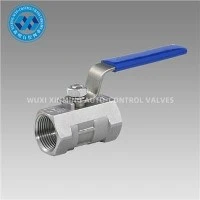
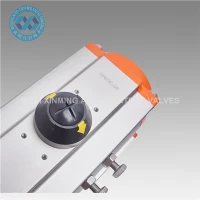
Hey there! As a supplier of soft-seal ball valves, one of the most common issues I hear from customers is flashing. Flashing in a soft-seal ball valve can be a real pain, leading to reduced valve life, increased maintenance costs, and potential safety hazards. But don't worry, I've got some tips and tricks to help you prevent flashing and keep your ball valves working smoothly.


First things first, let's talk about what flashing actually is. Flashing occurs when a liquid passing through a valve undergoes a rapid phase change from liquid to vapor. This typically happens when the pressure of the liquid drops below its vapor pressure as it flows through the valve. When the liquid turns into vapor, it can cause a range of problems, such as erosion of the valve components, cavitation noise, and reduced flow control.
So, how can you prevent flashing in a soft-seal ball valve? Well, here are some key strategies that I've found to be effective:
1. Select the Right Valve for the Application
One of the most important steps in preventing flashing is to choose the right soft-seal ball valve for your specific application. Consider factors such as the fluid type, temperature, pressure, and flow rate. For example, if you're dealing with a high-temperature or high-pressure application, you'll need a valve that can handle those conditions.
At our company, we offer a wide range of soft-seal ball valves to suit different applications. For instance, our 3 Way Ball Valve With Pneumatic Actuator is a great choice for applications that require precise flow control and automation. It features a pneumatic actuator that allows for easy and accurate operation, making it ideal for industrial processes.
Another option is our High Quality Stainless Steel Pneumatic Three-way Ball Valve. This valve is made from high-quality stainless steel, which provides excellent corrosion resistance and durability. It's also pneumatically actuated, offering reliable and efficient operation in various applications.
2. Control the Pressure Drop
As mentioned earlier, flashing occurs when the pressure of the liquid drops below its vapor pressure. To prevent this, you need to control the pressure drop across the valve. This can be achieved by properly sizing the valve and using appropriate flow control devices.
When sizing the valve, make sure to select a valve with the right Cv (flow coefficient) rating for your application. The Cv rating indicates the flow capacity of the valve, and choosing a valve with the correct Cv will help ensure that the pressure drop across the valve is within acceptable limits.
In addition to valve sizing, you can also use flow control devices such as restrictors or orifice plates to reduce the pressure drop across the valve. These devices can help regulate the flow rate and prevent excessive pressure drops that could lead to flashing.
3. Maintain Proper Fluid Conditions
The properties of the fluid passing through the valve can also have a significant impact on the likelihood of flashing. To prevent flashing, it's important to maintain proper fluid conditions, such as temperature and pressure.
Keep the fluid temperature within the recommended range for the valve. If the fluid temperature is too high, it can increase the vapor pressure of the liquid and make it more likely to flash. On the other hand, if the fluid temperature is too low, it can cause the valve components to become brittle and more prone to damage.
Similarly, maintain the fluid pressure within the specified limits. Avoid sudden pressure changes or spikes, as these can cause the pressure of the liquid to drop rapidly and trigger flashing.
4. Use Proper Installation and Maintenance Practices
Proper installation and maintenance of the soft-seal ball valve are crucial for preventing flashing and ensuring its long-term performance. When installing the valve, make sure to follow the manufacturer's instructions carefully. Ensure that the valve is properly aligned, tightened, and sealed to prevent leaks.
Regular maintenance is also essential. Inspect the valve regularly for signs of wear, damage, or leakage. Replace any worn or damaged components as soon as possible to prevent further problems. Lubricate the valve components as recommended to ensure smooth operation.
Our WCB Ball Valve is designed to be easy to install and maintain. It features a robust construction and high-quality materials, making it a reliable choice for a wide range of applications.
5. Monitor and Troubleshoot
Even with the best prevention measures in place, it's still important to monitor the valve's performance and troubleshoot any issues that may arise. Keep an eye on the valve operating parameters, such as pressure, temperature, and flow rate. If you notice any abnormal changes or signs of flashing, such as noise, vibration, or reduced flow, take immediate action.
Investigate the cause of the problem and make the necessary adjustments or repairs. This may involve adjusting the valve settings, replacing worn components, or consulting with a valve expert for further guidance.
In conclusion, preventing flashing in a soft-seal ball valve requires a combination of proper valve selection, pressure drop control, fluid condition management, installation and maintenance practices, and monitoring. By following these tips, you can significantly reduce the risk of flashing and ensure the reliable and efficient operation of your ball valves.
If you're in the market for high-quality soft-seal ball valves or have any questions about preventing flashing, don't hesitate to reach out. We're here to help you find the right solutions for your specific needs.
References
- Valve Handbook, Fifth Edition by John F. DiStefano
- Fluid Mechanics and Thermodynamics of Turbomachinery by S. L. Dixon