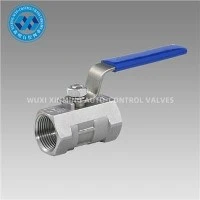
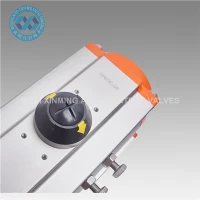
Can pneumatic actuators be used in food processing industries? This is a question that has been debated among industry professionals for quite some time. As a supplier of pneumatic actuators, I am often asked about the suitability of our products in food processing environments. In this blog post, I will explore the various aspects of using pneumatic actuators in the food processing industry, including their advantages, challenges, and considerations.
Advantages of Using Pneumatic Actuators in Food Processing
Pneumatic actuators offer several advantages that make them well - suited for food processing applications.
Hygiene and Cleanliness
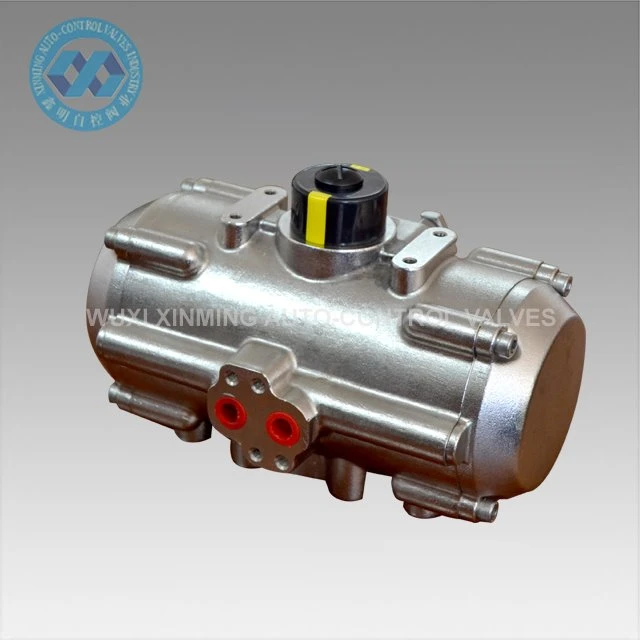
One of the primary concerns in the food processing industry is maintaining high levels of hygiene. Pneumatic actuators can be designed to meet strict sanitary standards. For example, Stainless Steel Pneumatic Actuator is a popular choice. Stainless steel is resistant to corrosion, easy to clean, and does not harbor bacteria. This makes it ideal for use in an environment where food safety is of utmost importance.
In addition, pneumatic systems generally have a simpler design compared to other types of actuators. There are fewer components that can trap dirt, debris, or food particles, which reduces the risk of contamination.
Energy Efficiency
Pneumatic actuators are known for their energy - efficient operation. They use compressed air as a power source, which can be easily generated on - site in most food processing facilities. Compressed air is a clean and readily available energy source, and pneumatic actuators can convert this energy into mechanical motion with relatively high efficiency. This not only helps in reducing energy costs but also makes the overall production process more sustainable.
Fast and Precise Operation
In food processing, speed and precision are crucial. Pneumatic actuators can provide rapid response times, allowing for quick opening and closing of valves, grippers, and other components. This is essential for tasks such as portioning, filling, and packaging, where accurate and timely operation is required to ensure product quality and consistency.
Cost - Effectiveness
Pneumatic actuators are generally more cost - effective than other types of actuators, especially when considering the initial purchase price, installation costs, and maintenance requirements. They are relatively simple to install and do not require complex control systems. Additionally, the components of pneumatic actuators are often less expensive to replace, which helps in keeping the overall operating costs down.
Challenges of Using Pneumatic Actuators in Food Processing
While there are many advantages to using pneumatic actuators in food processing, there are also some challenges that need to be addressed.
Air Quality
The quality of the compressed air used in pneumatic systems is a critical factor. Contaminated air can introduce dust, oil, water, or bacteria into the food processing environment, which can compromise food safety. Therefore, it is essential to have proper air treatment systems in place, including filters, dryers, and regulators, to ensure that the compressed air is clean and free from contaminants.
Lubrication
Some pneumatic actuators require lubrication to operate smoothly. In a food processing environment, it is important to use food - grade lubricants to prevent contamination. However, the use of lubricants also introduces the risk of leakage, which can contaminate the food products. This requires careful selection of lubricants and proper monitoring of the actuator to prevent any lubricant from coming into contact with the food.
Noise
Pneumatic systems can produce significant noise during operation. In a food processing facility where workers are present, high levels of noise can be a health and safety concern. To mitigate this issue, noise - reducing measures such as silencers can be installed on the pneumatic actuators and associated components.
Considerations for Using Pneumatic Actuators in Food Processing
When considering the use of pneumatic actuators in food processing, several factors need to be taken into account.
Regulatory Compliance
The food processing industry is highly regulated, and any equipment used in the production process must comply with relevant standards and regulations. Pneumatic actuators need to meet requirements such as those set by the Food and Drug Administration (FDA) in the United States or the European Hygienic Engineering and Design Group (EHEDG) standards in Europe. It is important to ensure that the actuators are designed and manufactured to meet these strict regulatory requirements.
Application - Specific Requirements
Different food processing applications have different requirements. For example, in applications where high force is required, such as in meat processing, a more robust and powerful pneumatic actuator may be needed. On the other hand, in applications where precise control is necessary, such as in the filling of delicate chocolates, a more accurate and responsive actuator should be selected.
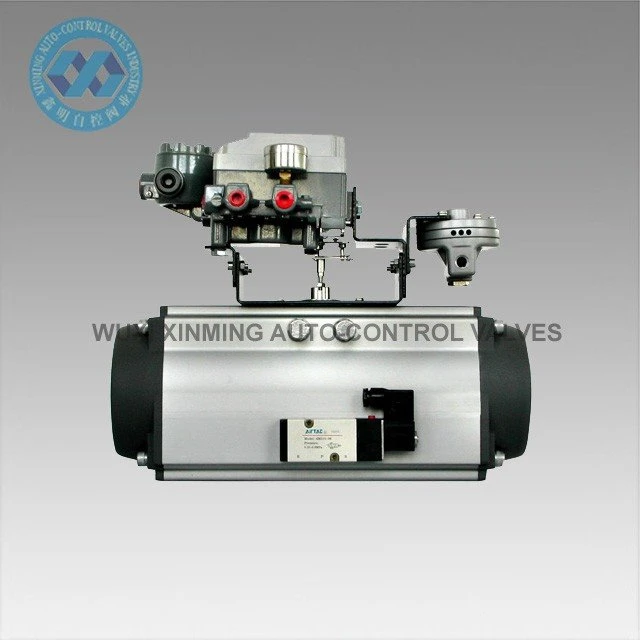
We offer a wide range of pneumatic actuators, including Factory Wholesale Actuator Four Way Pneumatic ball valves and AT Pneumatic Actuator, which can be customized to meet the specific needs of different food processing applications.
Maintenance and Serviceability
Regular maintenance is essential to ensure the reliable and safe operation of pneumatic actuators in food processing. Actuators should be easily accessible for inspection, cleaning, and replacement of parts. It is also important to have a reliable supply of spare parts and a service plan in place to minimize downtime in case of actuator failure.
Conclusion
In conclusion, pneumatic actuators can indeed be used in the food processing industry, provided that the advantages are capitalized on and the challenges are properly addressed. Their benefits in terms of hygiene, energy efficiency, speed, precision, and cost - effectiveness make them a viable option for many food processing applications.
However, careful consideration must be given to issues such as air quality, lubrication, noise, regulatory compliance, application - specific requirements, and maintenance. As a pneumatic actuator supplier, we are committed to providing high - quality products that meet the strict standards of the food processing industry.
If you are in the food processing industry and are considering using pneumatic actuators in your operations, we would be happy to discuss your specific needs with you. Our team of experts can help you select the most suitable actuators and provide you with all the necessary support for installation, maintenance, and troubleshooting. Contact us today to start the conversation about how our pneumatic actuators can enhance your food processing operations.
References
- "Pneumatic Systems in Industrial Automation" by Peter Neubert
- "Food Processing Technology: Principles and Practice" by P. J. Fellows