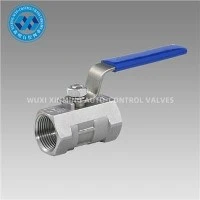
In the realm of fluid control systems, flange ball valves stand as crucial components, playing a pivotal role in regulating the flow of liquids and gases. Their reliability and longevity are of utmost importance, as downtime due to valve failure can lead to significant losses in various industries. One critical factor that determines the service life of a flange ball valve is its corrosion resistance. In this blog, we, as a flange ball valve supplier, will delve into how corrosion resistance impacts the service life of these essential valves.
Understanding Corrosion in Flange Ball Valves
Corrosion is a natural process that occurs when metals react with their environment. In the case of flange ball valves, which are commonly used in pipelines dealing with a wide range of fluids, including water, chemicals, and oil, the risk of corrosion is ever - present. The most common types of corrosion affecting ball valves are uniform corrosion, pitting corrosion, crevice corrosion, and stress - corrosion cracking.
Uniform corrosion is characterized by the gradual and even loss of material over the entire surface of the valve. This can occur when the valve is exposed to a corrosive medium such as acidic or alkaline solutions. Pitting corrosion, on the other hand, is more localized. It forms small pits on the valve surface, which can penetrate deep into the material and weaken the valve structure over time. Crevice corrosion happens in confined spaces, like the gaps between the flange and the valve body, where the corrosive medium can accumulate and lead to accelerated corrosion. Stress - corrosion cracking occurs when a combination of tensile stress and a corrosive environment causes cracks to form in the valve material.
Impact of Corrosion on Valve Functionality
The corrosion of a flange ball valve can have several detrimental effects on its functionality, ultimately reducing its service life.
First and foremost, corrosion can cause the valve components to become stiff or seized. As the surface of the ball, the stem, or the seat corrodes, the smooth movement between these parts is hindered. This makes it difficult to open or close the valve, and in severe cases, the valve may become completely inoperable. For example, if the stem corrodes, it may not be able to rotate the ball properly, leading to an incomplete shut - off of the fluid flow.
Secondly, corrosion can compromise the sealing performance of the valve. The valve seat is designed to provide a tight seal when the valve is closed, preventing leakage. However, corrosion can damage the seat surface, creating gaps through which the fluid can escape. This not only leads to a loss of process efficiency but can also pose safety hazards, especially in applications involving toxic or flammable fluids.
Moreover, corrosion weakens the structural integrity of the valve. As the valve material deteriorates, it becomes more susceptible to mechanical stress and pressure. A corroded valve may not be able to withstand the normal operating pressures in the pipeline, increasing the risk of sudden failure. This could result in pipeline ruptures, spills, and significant disruptions to the industrial process.
Factors Affecting the Corrosion Resistance of Flange Ball Valves
Several factors influence the corrosion resistance of flange ball valves, and understanding these can help in selecting the right valve for a specific application.
The material of the valve is the most crucial factor. Stainless steel is a popular choice for flange ball valves due to its excellent corrosion resistance. Different grades of stainless steel, such as 304 and 316, offer varying levels of protection against corrosion. For instance, 316 stainless steel contains molybdenum, which enhances its resistance to pitting and crevice corrosion, making it suitable for applications in marine or chemical environments. Other materials like carbon steel can also be used, but they usually require additional protective coatings to improve their corrosion resistance.
The coating and lining of the valve also play an important role. Epoxy coatings can provide a barrier between the valve material and the corrosive medium, preventing direct contact. Rubber or plastic linings are often used for valves in highly corrosive applications, such as those handling acids or alkalis. These linings act as a shield, protecting the valve body from corrosion.
The operating environment is another significant factor. The temperature, humidity, pH level of the fluid, and the presence of aggressive chemicals all affect the corrosion rate. For example, high - temperature environments can accelerate the corrosion process, as can fluids with a low pH. Additionally, the presence of chloride ions can cause severe pitting corrosion in stainless steel valves.
How Corrosion Resistance Extends Service Life
A flange ball valve with high corrosion resistance is better equipped to withstand the harsh conditions of its operating environment, leading to an extended service life.
When a valve is resistant to corrosion, its components remain in good condition for a longer period. The ball, stem, and seat can maintain their smooth surfaces and proper dimensions, ensuring that the valve operates smoothly. This reduces the need for frequent maintenance and replacement of parts, saving both time and money for the end - user.
The excellent sealing performance of a corrosion - resistant valve is maintained over time. Since the valve seat is not damaged by corrosion, it can provide a tight seal, preventing leakage. This not only improves the efficiency of the fluid control system but also reduces the risk of safety incidents.
In terms of structural integrity, a corrosion - resistant valve can withstand the mechanical stress and pressure in the pipeline for a longer duration. It is less likely to develop cracks or fractures due to corrosion, ensuring the long - term reliability of the valve.
Our Product Offerings and Corrosion Resistance
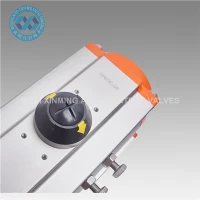
As a flange ball valve supplier, we offer a wide range of products with excellent corrosion resistance. Our Pneumatic Actuated Three - Way Stainless Steel Ball Valve is made of high - quality stainless steel, which provides superior protection against corrosion. The pneumatic actuator ensures smooth and precise operation, even in harsh environments.
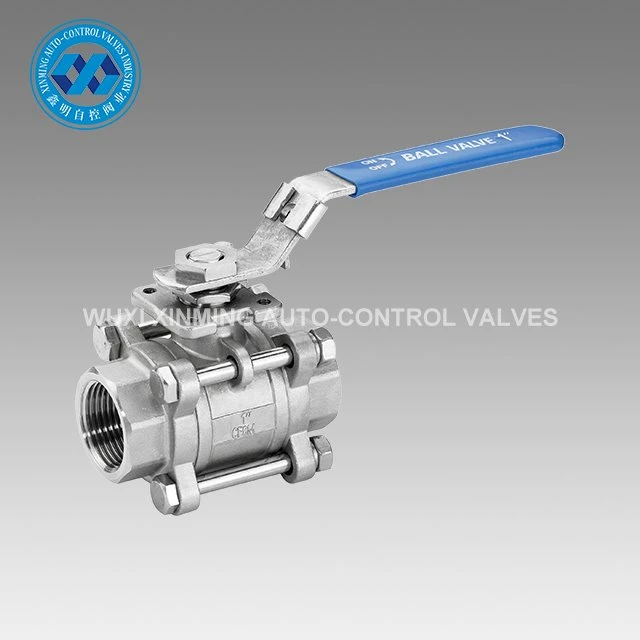

Our 3PC Thread Ball Valve is designed with three - piece construction, which makes it easy to disassemble and maintain. The valve body can be made of different materials depending on the application requirements, such as stainless steel or carbon steel with anti - corrosion coatings.
For applications where plastic materials are preferred, our Double Acting Plastic Pneumatic Actuator Ball Valve offers excellent corrosion resistance. The plastic material is resistant to a wide range of chemicals, making it suitable for use in chemical processing plants and other corrosive environments.
Conclusion
In conclusion, the corrosion resistance of a flange ball valve has a profound impact on its service life. Corrosion can lead to various problems, including reduced functionality, compromised sealing, and weakened structural integrity. By choosing valves with high corrosion resistance, end - users can ensure the long - term reliability and efficiency of their fluid control systems.
As a professional flange ball valve supplier, we are committed to providing our customers with high - quality products that offer excellent corrosion resistance. Our extensive product range caters to different application needs and environments. If you are looking for reliable flange ball valves for your project, we invite you to contact us for a detailed discussion. We are eager to share our expertise and help you select the most suitable valve for your specific requirements.
References
- Bamberger, E. N., & Bamberger, P. (2007). The Ball Valve Handbook. Gulf Publishing.
- Uhlig, H. H., & Revie, R. W. (2011). Corrosion and Corrosion Control. Wiley.
- Schweitzer, P. A. (2005). Valve Selection Handbook. McGraw - Hill.