Installing a lug butterfly valve in a vertical pipeline is a task that requires careful planning and execution. As a trusted supplier of lug butterfly valves, we have extensive experience in this area and are here to guide you through the process. In this blog post, we'll walk you through the steps of installing a lug butterfly valve in a vertical pipeline, from preparation to final testing.
Step 1: Preparation
Before you begin the installation process, you need to gather all the necessary materials and tools. This includes the lug butterfly valve itself, the pipeline components, gaskets, bolts, nuts, a torque wrench, a pipe cutter, a file, and any other tools specific to your installation.
Ensure that the valve and all pipeline components are clean and free from any debris that could interfere with the installation or operation of the valve. Check the dimensions of the valve and the pipeline to make sure they are compatible. The valve should fit snugly into the pipeline, and the flange holes should align properly.
Step 2: Positioning the Valve
The next step is to position the valve in the vertical pipeline. Start by cutting the pipeline at the location where the valve will be installed. Make sure the cut is straight and clean to ensure a proper seal. Use a file to smooth the edges of the cut pipe to prevent any damage to the gaskets.
When positioning the valve, it's important to note that lug butterfly valves are designed to be installed in a vertical position with the stem in a horizontal orientation. This allows for proper flow control and easy operation of the valve. Position the valve between the two sections of the pipeline, making sure the valve's flanges align with the pipe flanges.
Step 3: Installing the Gaskets
Gaskets are crucial for preventing leaks in the valve-pipe connection. Place a gasket on each side of the valve, aligning the holes in the gasket with the flange holes. Make sure the gasket is centered and covers the entire flange face. Use a high-quality gasket material that is compatible with the fluid being transported in the pipeline and the operating conditions.


Step 4: Bolting the Valve
Once the gaskets are in place, it's time to bolt the valve to the pipeline. Insert the bolts through the flange holes, making sure to use the correct size and type of bolts. Place a nut on each bolt and hand-tighten them to hold the valve in place.
After all the bolts are hand-tightened, use a torque wrench to tighten the bolts to the manufacturer's recommended torque value. Tightening the bolts evenly and to the correct torque is essential for a proper seal and to prevent damage to the valve and gaskets. Make sure to follow a star pattern when tightening the bolts to ensure uniform pressure distribution.
Step 5: Connecting the Actuator (if applicable)
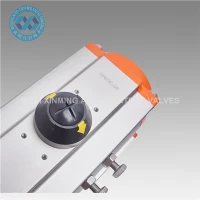
If your lug butterfly valve is equipped with an actuator, such as a Pneumatic Actuator Operated Butterfly Valve, the next step is to connect the actuator to the valve. Follow the manufacturer's instructions for installing the actuator, which typically involves attaching the actuator to the valve stem and connecting the air supply lines or electrical wiring.
Ensure that the actuator is properly aligned and secured to the valve to ensure smooth operation. Test the actuator to make sure it opens and closes the valve correctly and that the position indicator on the actuator matches the actual position of the valve disc.
Step 6: Testing the Installation
Once the valve is installed and the actuator is connected (if applicable), it's time to test the installation. Close the valve and pressurize the pipeline to the operating pressure. Check for any leaks around the valve flanges, gaskets, or actuator connections. If you detect any leaks, tighten the bolts further or replace the gaskets as needed.
Open and close the valve several times to ensure smooth operation. Check the valve's ability to regulate the flow and its sealing performance. If the valve does not operate smoothly or if there are any issues with the flow control, inspect the valve and actuator for any mechanical problems or misalignments.
Step 7: Finalizing the Installation
After the installation has been tested and approved, make any final adjustments as needed. Clean up the installation area and remove any tools or debris. Label the valve and the pipeline for easy identification and future maintenance.
We also offer a wide range of other butterfly valves, such as Wafer Hygienic Grade Actuator Pneumatic Butterfly Valve and Pneumatic Sanitary Butterfly Valve, which are suitable for various applications in different industries.
For Those Looking to Purchase
If you're in need of lug butterfly valves or any of our other products, we encourage you to initiate a conversation with us. Our team of experts is well - versed in valve technology and can provide detailed guidance on product selection, installation, and maintenance. We'll work with you to understand your specific requirements and ensure you get the best solution for your project. Whether you're involved in a small - scale industrial application or a large - scale infrastructure project, we're here to assist you every step of the way. Reach out to us to start the procurement discussion.
References
- "Valve Handbook", Valve Manufacturers Association
- Product manuals provided by the lug butterfly valve and actuator manufacturers.