Hey there! As a supplier of WCB Butterfly Valves, I often get asked if these valves are suitable for fire - fighting systems. In this blog post, I'm gonna break down the factors involved and give you the low - down on whether WCB Butterfly Valves are a good fit for fire - fighting applications.
First off, let's talk about what a WCB Butterfly Valve is. WCB stands for “Wrought Carbon Steel, Grade B”. It's a type of carbon - steel alloy that's commonly used in valve manufacturing. Butterfly valves, on the other hand, are quarter - turn valves that use a disc to control the flow of fluids. They're simple in design, lightweight, and relatively inexpensive compared to other types of valves.
Advantages of WCB Butterfly Valves for Fire - Fighting Systems
One of the biggest advantages of using WCB Butterfly Valves in fire - fighting systems is their quick operation. In a fire emergency, every second counts. A quarter - turn operation means that the valve can be fully opened or closed in a short time, allowing for rapid control of the water flow. This is crucial for quickly directing water to the fire source and preventing the spread of the fire.
Another plus is their low pressure drop. Fire - fighting systems often need to maintain high water pressure to effectively extinguish fires. WCB Butterfly Valves have a streamlined design that minimizes the resistance to flow, resulting in a relatively low pressure drop across the valve. This helps to ensure that the water reaches the fire with sufficient pressure.
WCB is also known for its good strength and corrosion resistance. Fire - fighting systems are usually in a standby state for long periods, and the valves need to be able to withstand the test of time without corroding. The carbon - steel alloy of WCB provides a certain level of protection against corrosion, making the valves durable and reliable over the long term.
Disadvantages and Considerations
However, there are also some factors to consider when using WCB Butterfly Valves in fire - fighting systems. One issue is the potential for seat leakage. In a fire - fighting situation, even a small amount of leakage can be a problem, as it can lead to a loss of water pressure and reduce the effectiveness of the fire - fighting efforts. Some WCB Butterfly Valves may have sealing issues, especially if they're not properly maintained or installed.
Another consideration is the temperature tolerance. In a fire, the temperature can rise significantly. While WCB can withstand relatively high temperatures, extremely high temperatures may cause the valve to deform or lose its functionality. Special high - temperature - resistant coatings or designs may be required for applications where the risk of high - temperature exposure is significant.
Compatibility with Fire - Fighting Fluids
Fire - fighting systems may use different types of fluids, such as water, foam, or dry chemicals. WCB Butterfly Valves are generally compatible with water, which is the most commonly used fire - fighting fluid. But when it comes to foam or dry chemicals, additional testing may be required to ensure that the valve materials won't react with the fluids and that the valve will continue to operate properly.
Applications and Testing
In many fire - fighting systems around the world, WCB Butterfly Valves have been successfully used. They're often installed in large - scale commercial buildings, industrial facilities, and even some residential complexes. However, to ensure their suitability, proper testing is essential.
Valves should be tested according to relevant fire - safety standards, such as those set by the National Fire Protection Association (NFPA) in the United States. These tests typically involve checking the valve's operation, sealing performance, and flow capacity under simulated fire - fighting conditions.
Alternatives in the Market
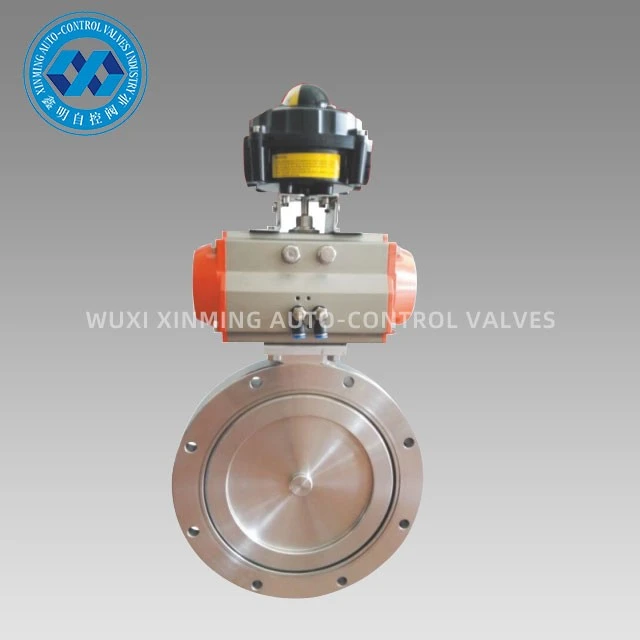
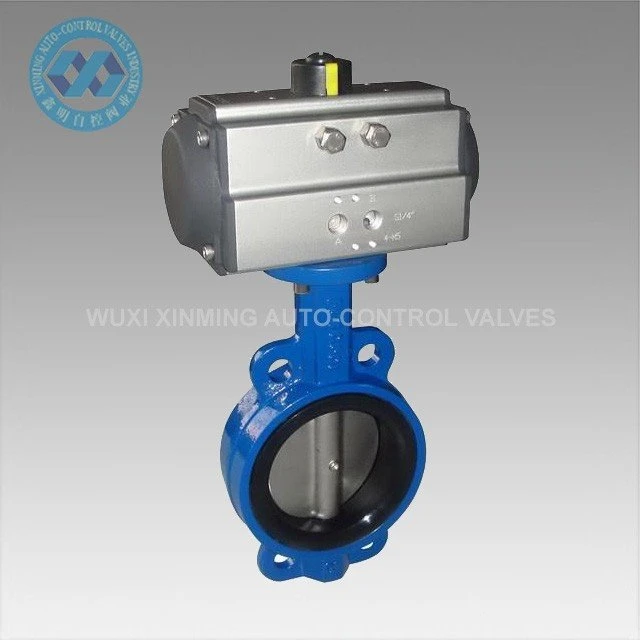
If you're still unsure about using WCB Butterfly Valves in your fire - fighting system, there are other options available in the market. For example, Wafer Hygienic Grade Actuator Pneumatic Butterfly Valve may be a good choice for applications that require high - precision control and a more hygienic design. Vacuum Butterfly Valve can be used in some specific scenarios where vacuum conditions are involved. And Pneumatic Butterfly Valve can provide more automated and remote - controllable solutions.
Conclusion
In general, WCB Butterfly Valves can be a suitable option for fire - fighting systems, especially when their advantages, such as quick operation and low pressure drop, are well - utilized. However, it's important to be aware of their limitations, such as potential seat leakage and temperature tolerance. Proper installation, maintenance, and testing are key to ensuring their reliable performance in a fire - emergency situation.
If you're in the process of setting up a fire - fighting system or looking to upgrade your existing valves, I'd love to have a chat with you. As a professional supplier of WCB Butterfly Valves, I can provide you with more detailed product information, help you choose the right valve for your specific needs, and offer the best solutions. Feel free to reach out for a friendly discussion and to start exploring the possibilities for your fire - fighting system.
References
- Fire Protection Handbook, National Fire Protection Association
- Valve Engineering Handbook, various industry - standard references