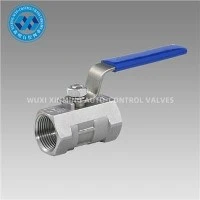
Hey there! As a supplier of 24V Solenoid Valves, I've seen firsthand how the valve body material can have a huge impact on the performance of these little powerhouses. So, let's dive right in and explore how different materials can make or break the functionality of a 24V solenoid valve.
First off, what exactly is a 24V solenoid valve? Well, it's a type of valve that uses an electromagnetic solenoid to control the flow of fluid or gas. The 24V refers to the voltage it operates on, which is a common and widely used standard in many industrial and commercial applications. You can check out our range of 24V Solenoid Valve on our website.
Now, let's talk about valve body materials. There are several common materials used in the construction of 24V solenoid valves, each with its own set of properties and characteristics that can affect performance.
Brass
Brass is one of the most popular materials for valve bodies. It's a combination of copper and zinc, which gives it a good balance of strength, corrosion resistance, and affordability. Brass is relatively easy to machine, which means it can be made into complex shapes and sizes. This makes it a great choice for a wide range of applications, from small household appliances to large industrial systems.
One of the main advantages of brass is its corrosion resistance. It can withstand exposure to water, air, and many chemicals without rusting or corroding. This makes it suitable for use in applications where the valve will be in contact with fluids or gases that could cause corrosion in other materials. However, brass may not be the best choice for applications where the valve will be exposed to highly acidic or alkaline substances, as these can gradually eat away at the brass over time.
In terms of performance, brass valve bodies are generally quite reliable. They can handle moderate pressures and temperatures without deforming or failing. The smooth surface of brass also helps to reduce friction, which can improve the flow of fluid or gas through the valve. However, brass is not as strong as some other materials, so it may not be suitable for applications where high pressures or extreme temperatures are involved.
Stainless Steel
Stainless steel is another popular choice for valve bodies. It's an alloy of iron, chromium, and other elements, which gives it excellent corrosion resistance and strength. Stainless steel is highly resistant to rust, staining, and corrosion, even in harsh environments. This makes it a great choice for applications where the valve will be exposed to corrosive substances, such as saltwater, chemicals, or acids.
One of the main advantages of stainless steel is its durability. It can withstand high pressures and temperatures without deforming or failing. This makes it suitable for use in applications where reliability is crucial, such as in the oil and gas industry, chemical processing plants, and food and beverage production. Stainless steel is also easy to clean and maintain, which is important in applications where hygiene is a concern.
However, stainless steel is more expensive than brass, which can make it a less attractive option for some applications. It's also more difficult to machine than brass, which can increase the cost of manufacturing. In addition, stainless steel has a higher thermal conductivity than brass, which means it can transfer heat more easily. This can be a disadvantage in applications where temperature control is important.
Plastic
Plastic is a lightweight and inexpensive material that is often used in the construction of 24V solenoid valves. There are several types of plastic that can be used, including PVC, polypropylene, and nylon. Each type of plastic has its own set of properties and characteristics that can affect performance.
One of the main advantages of plastic is its low cost. It's much cheaper than brass or stainless steel, which makes it a great choice for applications where cost is a major factor. Plastic is also lightweight, which can make it easier to install and handle. In addition, plastic is resistant to corrosion and chemicals, which makes it suitable for use in applications where the valve will be in contact with fluids or gases that could cause corrosion in other materials.
However, plastic is not as strong as brass or stainless steel, so it may not be suitable for applications where high pressures or extreme temperatures are involved. It's also more prone to wear and tear than metal materials, which can reduce the lifespan of the valve. In addition, plastic has a lower melting point than metal materials, which means it can deform or melt if exposed to high temperatures.


Cast Iron
Cast iron is a strong and durable material that is often used in the construction of large and heavy-duty 24V solenoid valves. It's an alloy of iron, carbon, and silicon, which gives it excellent strength and resistance to wear and tear. Cast iron is also relatively inexpensive, which makes it a popular choice for applications where cost is a major factor.
One of the main advantages of cast iron is its strength. It can withstand high pressures and heavy loads without deforming or failing. This makes it suitable for use in applications where reliability is crucial, such as in the water and wastewater treatment industry, power generation plants, and mining operations. Cast iron is also resistant to corrosion and abrasion, which makes it suitable for use in applications where the valve will be exposed to harsh environments.
However, cast iron is heavy and difficult to machine, which can increase the cost of manufacturing. It's also more prone to cracking and breaking than other materials, especially if it's exposed to sudden changes in temperature or pressure. In addition, cast iron has a relatively low thermal conductivity, which means it can take longer to heat up or cool down. This can be a disadvantage in applications where temperature control is important.
How the Material Affects Performance
Now that we've discussed the different valve body materials, let's take a closer look at how the material can affect the performance of a 24V solenoid valve.
Flow Rate
The valve body material can have a significant impact on the flow rate of the valve. Materials with a smooth surface, such as brass and stainless steel, can reduce friction and improve the flow of fluid or gas through the valve. This can result in a higher flow rate and better overall performance. On the other hand, materials with a rough surface, such as cast iron, can increase friction and reduce the flow rate.
Pressure Rating
The valve body material also affects the pressure rating of the valve. Materials with high strength, such as stainless steel and cast iron, can withstand higher pressures without deforming or failing. This makes them suitable for use in applications where high pressures are involved. On the other hand, materials with lower strength, such as plastic, may not be able to handle high pressures and may fail under stress.
Temperature Resistance
The valve body material can also affect the temperature resistance of the valve. Materials with a high melting point, such as stainless steel and cast iron, can withstand high temperatures without deforming or melting. This makes them suitable for use in applications where high temperatures are involved. On the other hand, materials with a low melting point, such as plastic, may deform or melt if exposed to high temperatures.
Corrosion Resistance
The valve body material is also important in terms of corrosion resistance. Materials that are resistant to corrosion, such as stainless steel and plastic, can withstand exposure to corrosive substances without rusting or corroding. This makes them suitable for use in applications where the valve will be in contact with fluids or gases that could cause corrosion in other materials. On the other hand, materials that are not resistant to corrosion, such as brass, may rust or corrode over time if exposed to corrosive substances.
Conclusion
In conclusion, the valve body material plays a crucial role in the performance of a 24V solenoid valve. Different materials have different properties and characteristics that can affect flow rate, pressure rating, temperature resistance, and corrosion resistance. When choosing a valve body material, it's important to consider the specific requirements of your application, such as the type of fluid or gas being controlled, the pressure and temperature conditions, and the level of corrosion resistance required.
As a supplier of 24V Solenoid Valves, we offer a wide range of valves made from different materials to meet the needs of our customers. Whether you need a brass valve for a small household appliance, a stainless steel valve for a harsh industrial environment, or a plastic valve for a low-cost application, we have the right valve for you. We also offer the YT1000L 4~20mA Electric/pneumatic Valve Positioner and 110V Solenoid Valve to meet various control requirements.
If you're interested in learning more about our products or have any questions about valve body materials, please don't hesitate to contact us. We're here to help you find the right valve for your application and ensure that it performs at its best. Let's start a conversation and see how we can work together to meet your needs.
References
- "Valve Handbook" by Robert W. Perry
- "Engineering Materials and Their Applications" by William F. Smith
- "Fluid Mechanics and Hydraulics" by R.C. Hibbeler