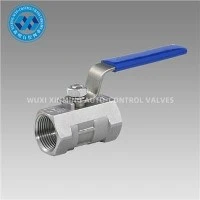
Hey there! As a thread ball valve supplier, I often get asked about how often these valves should be maintained. It's a crucial question because proper maintenance can significantly extend the lifespan of the valve and ensure its optimal performance. In this blog, I'll share some insights on this topic based on my experience in the industry.
Factors Affecting Maintenance Frequency
Before we dive into specific maintenance intervals, it's important to understand that the frequency of thread ball valve maintenance depends on several factors. Let's take a look at some of the key ones:
1. Operating Conditions
The environment in which the valve operates plays a major role. If the valve is used in a harsh industrial setting with high temperatures, high pressures, or corrosive substances, it will likely require more frequent maintenance. For example, in a chemical plant where the valve is exposed to strong acids or alkalis, the internal components may corrode faster, necessitating regular inspections and replacements. On the other hand, if the valve is used in a relatively clean and stable environment, like a residential water supply system, the maintenance interval can be longer.
2. Usage Frequency
How often the valve is opened and closed also impacts its maintenance needs. A valve that is frequently cycled, such as in a process where there are continuous flow adjustments, will experience more wear and tear compared to a valve that is only used occasionally. For instance, a valve in a manufacturing process that runs 24/7 will need more attention than a valve in a backup system that is rarely operated.
3. Valve Quality
The quality of the valve itself matters. Higher - quality valves are generally built with better materials and more precise manufacturing processes, which can withstand more stress and require less frequent maintenance. When you invest in a well - made Manual 1pc Thread Ball Valve, you can expect it to last longer between maintenance intervals.
General Maintenance Intervals
Based on the above factors, here are some general guidelines for thread ball valve maintenance:
1. Light - Duty Applications
In light - duty applications, such as residential plumbing or small - scale water systems, a thread ball valve can typically go for 3 - 5 years without major maintenance. However, it's still a good idea to perform visual inspections at least once a year. Check for any signs of leakage around the valve body or the threads, and make sure the valve handle turns smoothly. If you notice any issues during these inspections, you can address them promptly to prevent further damage.
2. Medium - Duty Applications
For medium - duty applications, like in commercial buildings or small industrial processes, the maintenance interval is usually around 1 - 3 years. In addition to annual visual inspections, you may need to perform more in - depth checks every 1 - 2 years. This can include disassembling the valve (if possible) to inspect the ball, seats, and seals for wear. You might also want to test the valve's performance by opening and closing it multiple times and checking for any abnormal resistance or leakage.
3. Heavy - Duty Applications
In heavy - duty industrial applications, such as oil and gas refineries or large - scale chemical plants, thread ball valves should be maintained much more frequently. A typical maintenance interval could be every 6 months to 1 year. These valves often require a comprehensive inspection and servicing, which may involve replacing worn - out parts, cleaning the internal components, and testing the valve under operating conditions to ensure it meets the required performance standards.
Specific Maintenance Tasks
Regardless of the maintenance interval, there are some common tasks that should be performed during valve maintenance:
1. Cleaning
Over time, dirt, debris, and sediment can accumulate inside the valve, which can affect its operation. Cleaning the valve body, ball, and seats can help prevent blockages and ensure smooth flow. You can use a suitable cleaning agent and a soft brush to gently remove any deposits.
2. Lubrication
Proper lubrication of the valve stem and other moving parts is essential to reduce friction and wear. Use a lubricant that is compatible with the valve materials and the operating environment. This will help the valve operate more smoothly and extend its lifespan.
3. Seal Inspection and Replacement
The seals in a thread ball valve are critical for preventing leakage. During maintenance, carefully inspect the seals for signs of damage, such as cracks, tears, or hardening. If any seals are damaged, they should be replaced immediately to maintain the valve's integrity.
4. Performance Testing
After performing maintenance tasks, it's important to test the valve's performance. Open and close the valve multiple times to check for smooth operation and ensure there is no leakage. You can also measure the flow rate and pressure to make sure the valve is functioning as expected.
The Role of Different Valve Types
Different types of thread ball valves may have different maintenance requirements. For example, Ceramic Ball Valve are known for their excellent wear and corrosion resistance. They can often go longer between maintenance intervals compared to traditional metal ball valves, especially in applications where there is a lot of abrasion or chemical exposure.
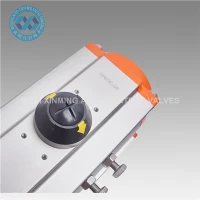
On the other hand, Three Stage Pneumatic Rotary Actuator Ball Valve Made in China have additional components like the actuator. The actuator needs to be inspected regularly for proper functioning, including checking the air supply, the control signals, and the mechanical linkage between the actuator and the valve.
Conclusion
In conclusion, the frequency of thread ball valve maintenance depends on various factors such as operating conditions, usage frequency, and valve quality. By following the general guidelines and performing the necessary maintenance tasks, you can ensure that your thread ball valves operate reliably and efficiently for a long time.


If you're in the market for high - quality thread ball valves or need more advice on valve maintenance, don't hesitate to reach out. We're here to help you find the right solutions for your specific needs. Whether you're a small business or a large industrial enterprise, we've got the expertise and the products to meet your requirements. Let's start a conversation and see how we can work together to keep your systems running smoothly.
References
- Valve Handbook, various editions
- Industry standards and guidelines for valve maintenance