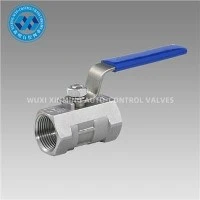
High - pressure differentials can have a significant impact on vacuum ball valves, which are essential components in various industrial applications. As a leading vacuum ball valve supplier, we have witnessed firsthand how these pressure differences can affect the performance, durability, and overall functionality of our products. In this blog, we will explore the impacts of high - pressure differentials on vacuum ball valves and discuss how our solutions can address these challenges.
1. Structural Integrity
One of the primary concerns when dealing with high - pressure differentials is the structural integrity of the vacuum ball valve. The valve body, ball, and stem are subjected to immense forces due to the pressure difference between the upstream and downstream sides. Over time, these forces can cause deformation, cracking, or even failure of the valve components.
For instance, if the pressure differential is too high, the valve body may experience excessive stress, leading to a rupture. The ball, which is responsible for controlling the flow, can also be affected. High - pressure differentials can cause the ball to become misaligned or damaged, resulting in poor sealing and leakage. Our company offers a range of vacuum ball valves designed to withstand high - pressure differentials. Our Pneumatic Actuator WCB Flange Ball Valve is constructed with high - quality materials and advanced manufacturing techniques to ensure its structural integrity under extreme pressure conditions. The valve body is made of WCB, a high - strength carbon steel alloy that can resist deformation and cracking. The ball is precision - machined to provide a tight seal, even under high - pressure differentials.

2. Sealing Performance
Sealing is a critical function of vacuum ball valves, especially in applications where preventing leakage is essential. High - pressure differentials can put a strain on the valve's sealing mechanism, leading to reduced sealing performance. The seat of the valve, which comes into contact with the ball to create a seal, can be damaged by the high - pressure forces. This can result in leaks, which not only waste valuable resources but also pose safety risks in some industrial settings.
Our Pneumatic Ball Valve For Precision Control And Industrial Flow Regulation is designed with a special sealing system to address this issue. The seat is made of a resilient material that can adapt to the high - pressure differentials and maintain a tight seal. Additionally, the valve is equipped with a pressure - balanced design, which helps to reduce the stress on the sealing surfaces and improve the overall sealing performance.
3. Operating Torque
High - pressure differentials also increase the operating torque required to open and close the vacuum ball valve. The force exerted by the pressure difference makes it more difficult to turn the valve, which can lead to increased wear and tear on the valve's actuator and other components. If the actuator is not powerful enough to overcome the increased torque, the valve may not open or close properly, resulting in operational issues.
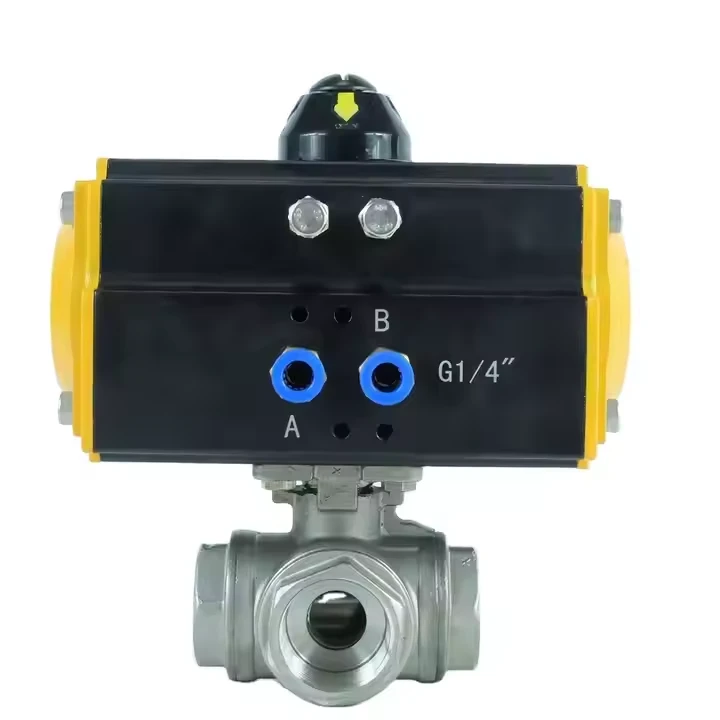
Our Pneumatic 3PC Stainless Steel Ball Valve is equipped with a high - performance pneumatic actuator that can provide sufficient torque to operate the valve even under high - pressure differentials. The actuator is designed to be responsive and efficient, ensuring smooth and reliable operation of the valve. The 3 - piece design of the valve also allows for easy maintenance and replacement of components, which can help to reduce downtime and extend the valve's service life.
4. Flow Characteristics
The high - pressure differentials can also affect the flow characteristics of the vacuum ball valve. When the pressure difference is large, the flow through the valve can become turbulent, which can lead to increased pressure drop and reduced flow efficiency. This can have a negative impact on the overall performance of the system in which the valve is installed.
Our vacuum ball valves are engineered to optimize the flow characteristics under high - pressure differentials. The internal design of the valve is carefully crafted to minimize turbulence and pressure drop, ensuring smooth and efficient flow. This helps to improve the overall performance of the system and reduce energy consumption.
5. Corrosion and Erosion
In addition to the mechanical impacts, high - pressure differentials can also accelerate corrosion and erosion of the vacuum ball valve. The high - velocity flow caused by the pressure difference can carry abrasive particles, which can wear away the valve's internal surfaces. Corrosion can also occur due to the presence of corrosive fluids or gases in the system.
We use high - quality materials and advanced surface treatments to protect our valves from corrosion and erosion. For example, our stainless - steel valves are resistant to corrosion in a wide range of environments. The surface of the valve can also be coated with a special anti - erosion material to further enhance its durability.
Choosing the Right Vacuum Ball Valve
When selecting a vacuum ball valve for applications with high - pressure differentials, it is important to consider several factors. These include the maximum pressure differential the valve will encounter, the type of fluid or gas being handled, the required flow rate, and the operating temperature. Our team of experts can help you choose the right valve for your specific application. We offer a comprehensive range of vacuum ball valves with different sizes, materials, and configurations to meet the diverse needs of our customers.
Conclusion
High - pressure differentials can have a profound impact on the performance, durability, and functionality of vacuum ball valves. As a vacuum ball valve supplier, we understand these challenges and have developed a range of solutions to address them. Our valves are designed to withstand high - pressure differentials, provide excellent sealing performance, require low operating torque, optimize flow characteristics, and resist corrosion and erosion.
If you are in need of a high - quality vacuum ball valve for your application, we invite you to contact us for a detailed consultation. Our team will work closely with you to understand your requirements and recommend the most suitable valve for your needs. We are committed to providing our customers with the best products and services, and we look forward to the opportunity to serve you.
References
- Valve Handbook, 4th Edition, by Thorkild Knudsen
- Industrial Valves: Selection, Specification, and Installation, by William E. Boyes