

Hey there! As a supplier of 220V solenoid valves, I often get asked about how to check the valve position of these nifty devices. So, I thought I'd put together this blog post to share some tips and tricks on this topic.
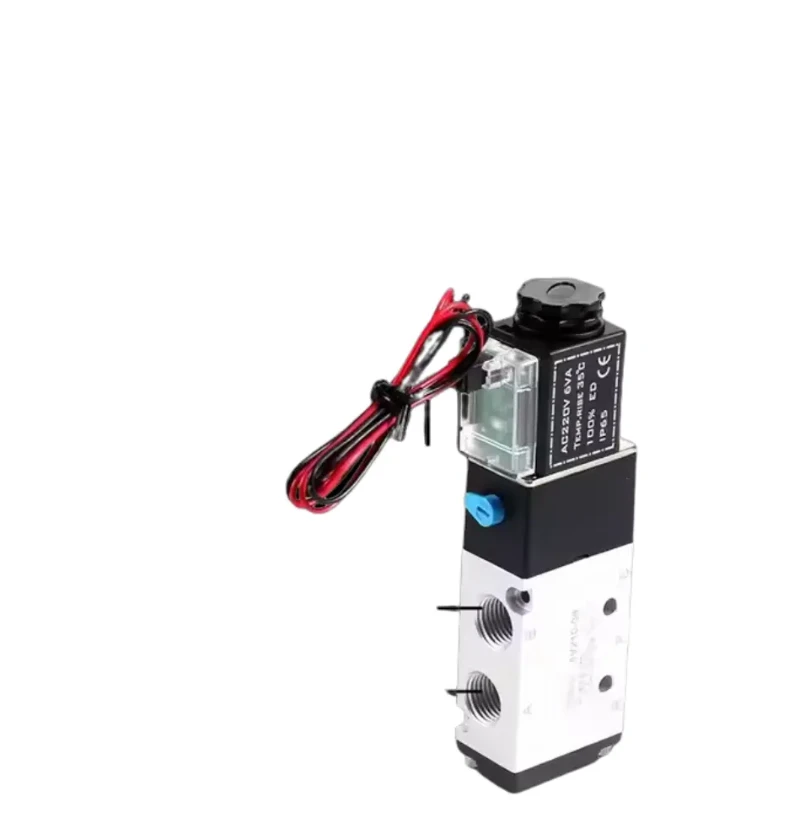
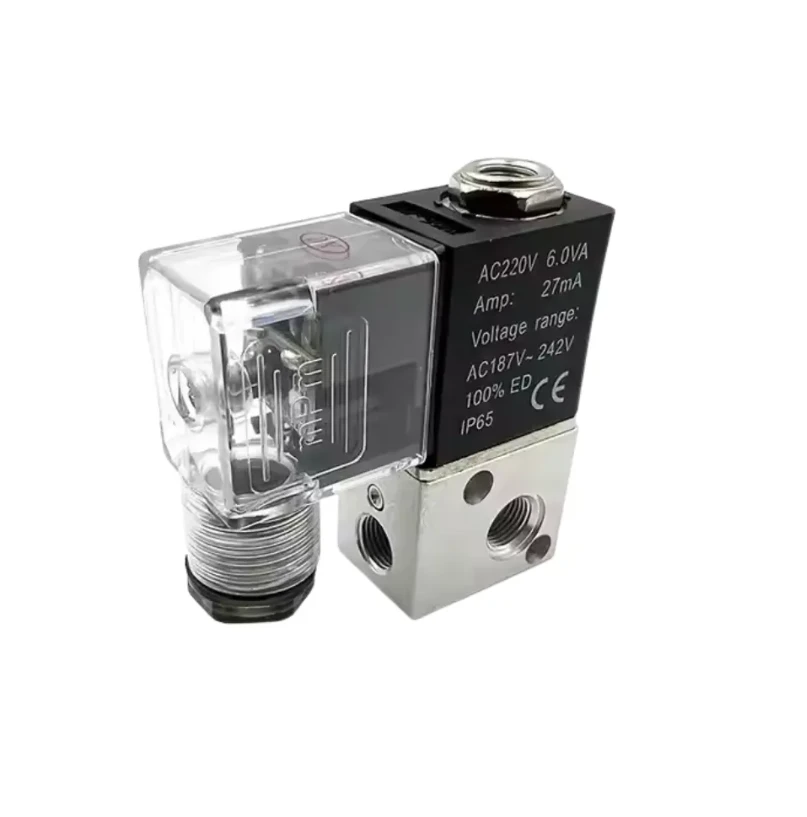
First off, let's talk a bit about what a 220V solenoid valve is. A solenoid valve is an electromechanically operated valve. The valve is controlled by an electric current through a solenoid. In the case of a 220V solenoid valve, it operates on a 220 - volt power supply. These valves are widely used in various industries like water treatment, HVAC systems, and industrial automation for controlling the flow of liquids or gases.
Now, why is it important to check the valve position? Well, knowing the position of the valve is crucial for ensuring that the system is working as intended. If the valve is in the wrong position, it could lead to issues such as leaks, improper flow rates, or even system failures.
Visual Inspection
One of the simplest ways to check the valve position is through visual inspection. Many solenoid valves have visible indicators that show whether the valve is open or closed. Some valves have a clear window where you can see the internal components moving. For example, if you see a plunger or a disc in a certain position, it can give you an idea of whether the valve is allowing flow or blocking it.
However, visual inspection might not always be possible. Some valves are installed in hard - to - reach places or are enclosed in cabinets. In such cases, you'll need to rely on other methods.
Using Limit Switches
Limit switches can be a great tool for checking the valve position. A limit switch is an electromechanical device that is actuated by the physical movement of the valve. When the valve reaches its open or closed position, it triggers the limit switch.
The limit switch is connected to an electrical circuit, and it sends a signal to a control panel or a monitoring system. This signal indicates whether the valve is open or closed. You can easily integrate limit switches with your existing control systems, and they provide a reliable way to monitor the valve position.
Pressure Sensors
Pressure sensors can also be used to determine the valve position. When a solenoid valve is open, the pressure in the system will change compared to when it's closed. By installing pressure sensors upstream and downstream of the valve, you can measure these pressure differences.
For instance, if the valve is open, the pressure downstream of the valve should increase, and the pressure upstream might decrease slightly. By analyzing these pressure changes, you can figure out the valve's position. Keep in mind that you'll need to calibrate the pressure sensors properly to get accurate readings.
Inductive Proximity Sensors
Inductive proximity sensors are another option for checking the valve position. These sensors work by detecting the presence of a metal object within a certain range. Many solenoid valves have metal components, such as the plunger or the valve body, which can be detected by the inductive proximity sensor.
When the valve moves to its open or closed position, the metal component comes within the detection range of the sensor, and the sensor sends a signal. This signal can be used to indicate the valve position. Inductive proximity sensors are non - contact sensors, which means they don't wear out as quickly as mechanical switches.
Troubleshooting
Sometimes, even after using these methods, you might still face issues in determining the valve position. If you're getting inconsistent readings or no readings at all, there could be a few problems.
First, check the power supply. A 220V solenoid valve needs a stable 220 - volt power supply to operate correctly. If the power is fluctuating or there's a short circuit, it can affect the valve's operation and your ability to check its position.
Next, inspect the sensors or switches. Make sure they are properly installed and connected. Loose connections or damaged sensors can give false readings. Also, check for any signs of wear and tear on the sensors and replace them if necessary.
Our Product Range
At our company, we offer a wide range of 220V solenoid valves to meet different industrial needs. If you're looking for high - performance valves, check out our High Performance Pneumatic Actuator Solenoid Valve. These valves are designed to provide reliable operation in demanding environments.
For those who need valves for mechanical equipment with high - precision requirements, our Mechanical Equipment Special, High Precision Pneumatic Air Control Solenoid Valve is a great choice. It offers excellent control over the flow of air or other gases.
And if you're interested in wholesale options with accessories for precision flow control, take a look at our Wholesale Precision Flow Control Pneumatic Solenoid Valve With Accessories.
Conclusion
Checking the valve position of a 220V solenoid valve is an important part of maintaining a proper functioning system. Whether you use visual inspection, limit switches, pressure sensors, or inductive proximity sensors, each method has its own advantages. By choosing the right method for your application and troubleshooting any issues that arise, you can ensure that your solenoid valves are working as they should.
If you're in the market for 220V solenoid valves or have any questions about valve position checking, don't hesitate to reach out. We're here to help you find the best solutions for your needs. Let's start a conversation about your requirements and see how we can assist you in getting the most out of your solenoid valves.
References
- "Solenoid Valves: Principles, Operation, and Selection" - A technical guide on solenoid valves
- "Industrial Automation Handbook" - Covers various methods of valve position monitoring in industrial settings
- Manufacturer's manuals for 220V solenoid valves, limit switches, pressure sensors, and inductive proximity sensors




