Hey there! As a supplier of Lug Butterfly Valves, I'm super excited to share with you all about the working principle of these nifty valves. So, let's dive right in!
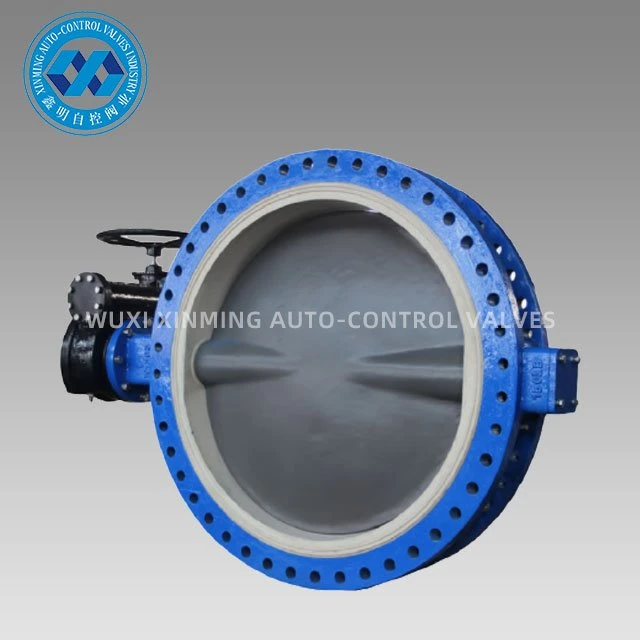
First off, what the heck is a Lug Butterfly Valve? Well, it's a type of quarter - turn valve used to regulate or isolate the flow of a fluid. The "lug" in its name refers to the threaded inserts or lugs on the outside of the valve body. These lugs allow the valve to be installed between two flanges using bolts, which makes it easy to install and remove without disturbing the piping system too much.
Now, let's get into the nitty - gritty of how it works. At the heart of a Lug Butterfly Valve is a disc, which is like a flat, circular plate. This disc is mounted on a shaft that runs through the center of the valve body. When the valve is fully open, the disc is positioned parallel to the flow of the fluid. This allows the fluid to pass through the valve with very little resistance.
Think of it like a door in a hallway. When the door is wide open, people can walk through easily. Similarly, when the disc in the Lug Butterfly Valve is parallel to the fluid flow, the fluid can flow freely. The valve's design ensures that there's minimal pressure drop across the valve when it's open, which is great for energy efficiency in a piping system.
When you want to start controlling or stopping the flow, you turn the valve. A Lug Butterfly Valve is a quarter - turn valve, which means you only need to turn the actuator (the part that moves the disc) by 90 degrees to go from fully open to fully closed. As you start turning the actuator, the disc begins to rotate around the shaft. As it rotates, it starts to block the flow path of the fluid.
As the disc moves from the open position towards the closed position, the area available for the fluid to flow through gets smaller and smaller. This is similar to slowly closing that hallway door. As the door gets closer to being shut, it becomes harder for people to get through. In the case of the valve, as the disc moves towards the closed position, the flow rate of the fluid decreases.
Once the disc has been turned 90 degrees, it's perpendicular to the flow of the fluid. At this point, the valve is fully closed, and it blocks the fluid from flowing through the valve completely. The disc creates a tight seal against the valve seat, which is a rubber or other soft material lining the inside of the valve body. This seal prevents any leakage of the fluid past the valve when it's closed.
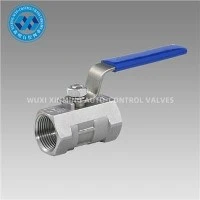
There are different ways to actuate a Lug Butterfly Valve. One common type is the manual Lug Butterfly Valve. With this type, you use a handwheel or a lever to turn the shaft and move the disc. It's simple and straightforward, and it's often used in small - scale applications or where there's no need for automated control.
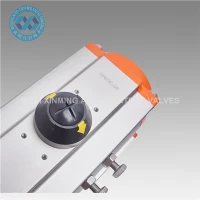
But in many industrial settings, we need more precise and automated control. That's where the powered actuators come in. For example, there are Pneumatic Dust Butterfly Valves. These valves use compressed air to operate the actuator. The compressed air is directed into a cylinder, which moves a piston. The piston is connected to the valve shaft, and as the piston moves, it rotates the disc.
Pneumatic actuators are great because they can respond quickly to control signals. They're often used in applications where you need to make rapid changes in the flow rate, like in some chemical processing plants.
Another type is the Electrical Butterfly Valve. These valves use an electric motor as the actuator. The electric motor is controlled by an electrical signal. You can program the motor to open or close the valve at specific times or in response to certain conditions, like a change in pressure or temperature in the piping system. Electrical actuators are very precise and can be integrated easily with modern control systems, making them popular in high - tech industrial applications.
The materials used in a Lug Butterfly Valve also play an important role in its performance. The valve body can be made from different materials depending on the application. For example, Cast Iron Butterfly Valves are commonly used. Cast iron is strong and durable, and it's suitable for many general - purpose applications where the fluid isn't too corrosive.
The disc can be made from materials like stainless steel or aluminum. Stainless steel is corrosion - resistant, which makes it a good choice for applications where the fluid might be corrosive, such as in a water treatment plant. Aluminum is lightweight, which can be an advantage in some applications where weight is a consideration.
The valve seat, as I mentioned earlier, is usually made from a soft material like rubber. Rubber provides a good seal against the disc when the valve is closed. Different types of rubber can be used depending on the properties of the fluid. For example, if the fluid is hot, a heat - resistant rubber might be used. If the fluid is a chemical, a rubber that's resistant to that particular chemical will be chosen.

Lug Butterfly Valves are used in a wide range of industries. In the water and wastewater industry, they're used to control the flow of water in treatment plants, distribution systems, and sewer systems. In the oil and gas industry, they're used in pipelines to control the flow of oil, gas, and other petroleum products. They're also used in the food and beverage industry, where they need to be made from food - grade materials to ensure the safety of the products being processed.
One of the advantages of Lug Butterfly Valves is their compact design. They take up less space compared to some other types of valves, which is great in situations where space is limited. They're also relatively easy to install and maintain. Since they have fewer moving parts compared to some other valves, there's less that can go wrong, and maintenance is usually straightforward.
If you're in the market for a Lug Butterfly Valve, you need to consider a few things. First, think about the size of the valve. You need to choose a valve with the right diameter to match your piping system. If the valve is too small, it might restrict the flow too much, and if it's too large, it could be more expensive and less efficient.
You also need to think about the pressure and temperature ratings of the valve. Make sure the valve can handle the pressure and temperature conditions in your application. And of course, consider the type of fluid that will be flowing through the valve. This will determine the materials you need for the valve body, disc, and seat.
So, there you have it! That's the working principle of a Lug Butterfly Valve in a nutshell. Whether you're looking for a simple manual valve for a small - scale project or a high - tech electrically actuated valve for an industrial application, we've got you covered as a Lug Butterfly Valve supplier.
If you're interested in learning more about our Lug Butterfly Valves or have any questions about which valve would be right for your specific needs, don't hesitate to reach out. We're here to help you make the best choice for your piping system. Let's start a conversation and see how we can work together to meet your valve requirements.
References
- Valve Handbook: A Guide to Valve Technology and Applications
- Industrial Valve Engineering and Technology Manual