As a seasoned supplier of butterfly valves, I understand the critical importance of ensuring the proper functioning of every component within these essential industrial devices. One such crucial component is the valve stem, which plays a pivotal role in the operation and longevity of a butterfly valve. In this blog post, I'll guide you through the process of checking the valve stem for wear, a task that can help prevent costly breakdowns and ensure the continued efficiency of your valve systems.
Understanding the Role of the Valve Stem in a Butterfly Valve
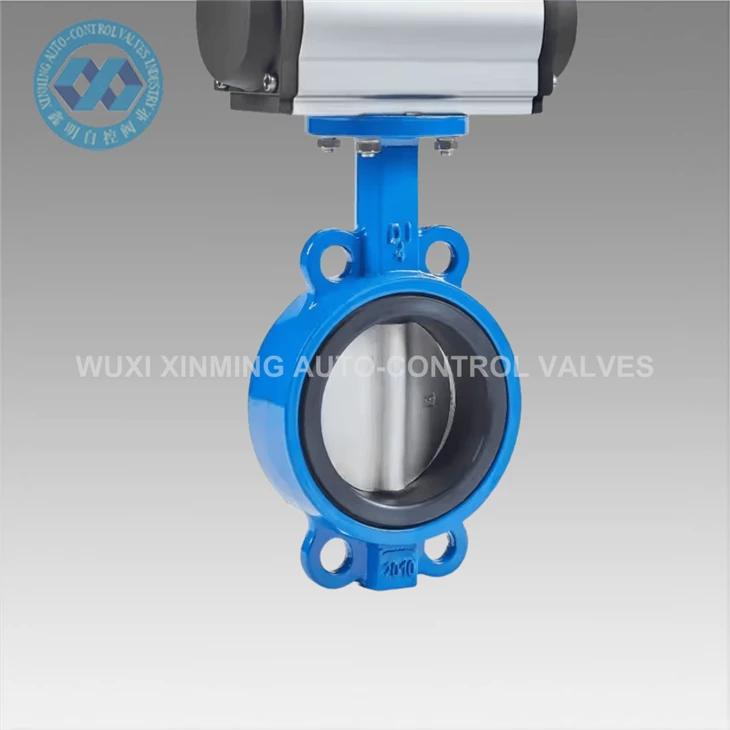
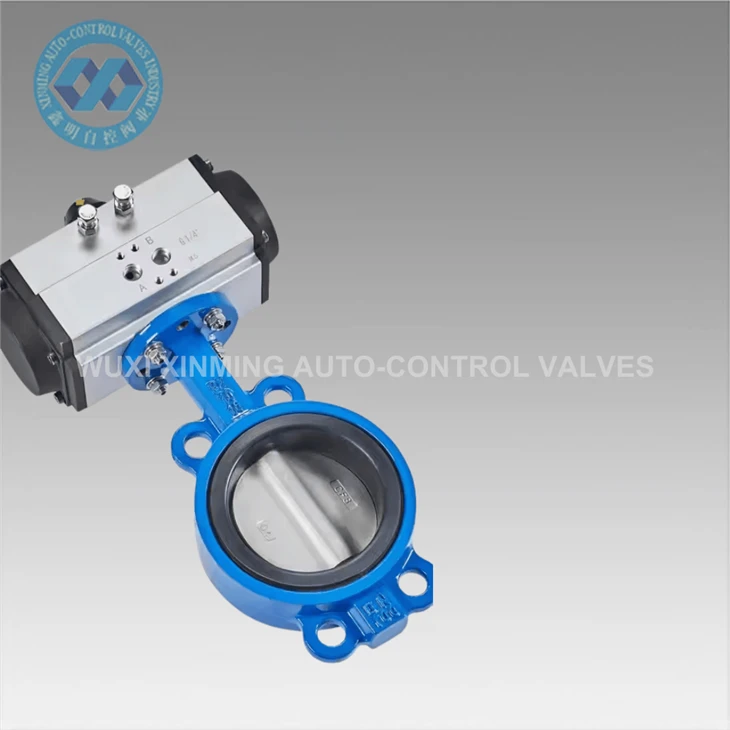
Before delving into the inspection process, it's essential to understand the valve stem's function. In a butterfly valve, the stem connects the actuator to the disc, allowing the disc to rotate within the valve body to control the flow of fluid. The stem must withstand significant forces during operation, including torque from the actuator and pressure from the fluid. Over time, these forces can cause wear on the stem, which can lead to reduced performance, leakage, and even complete valve failure.
Preparing for the Inspection
Before you begin inspecting the valve stem, it's crucial to take the necessary safety precautions. Ensure that the valve is in a closed position and that the system is depressurized. If the valve is in a live system, follow all appropriate lockout/tagout procedures to prevent accidental operation.
You'll also need a few basic tools for the inspection, including a flashlight, a caliper, a feeler gauge, and a magnifying glass. These tools will help you examine the stem for signs of wear and measure its dimensions accurately.
Visual Inspection
The first step in checking the valve stem for wear is a visual inspection. Use a flashlight to illuminate the stem and look for any obvious signs of damage, such as scratches, nicks, or corrosion. Pay close attention to the areas where the stem contacts the valve body and the actuator, as these are the most likely places for wear to occur.
If you notice any signs of damage, it's essential to determine the cause. Scratches and nicks can be caused by foreign objects entering the valve, while corrosion can be the result of exposure to harsh chemicals or moisture. Identifying the cause of the damage can help you take steps to prevent it from happening again in the future.
Measuring the Stem Diameter
Once you've completed the visual inspection, use a caliper to measure the diameter of the stem at several points along its length. Compare these measurements to the manufacturer's specifications to determine if the stem has worn beyond the acceptable limits.
A worn stem will typically have a smaller diameter than the original specification. If the stem diameter is below the minimum allowable limit, it will need to be replaced to ensure the proper functioning of the valve.
Checking for Play
Another important aspect of the valve stem inspection is checking for play or looseness. Use a feeler gauge to measure the clearance between the stem and the valve body or the actuator. Excessive play can indicate wear on the stem or the mating components, which can lead to reduced valve performance and increased leakage.
If you find that there is excessive play in the stem, it's important to determine the cause. It could be due to wear on the stem itself, or it could be caused by worn bearings or bushings in the valve body or the actuator. In either case, the worn components will need to be replaced to restore the proper functioning of the valve.
Inspecting the Stem Seals
The stem seals are another critical component of the valve that can be affected by wear. Inspect the stem seals for signs of damage or deterioration, such as cracks, tears, or excessive wear. A damaged stem seal can allow fluid to leak past the stem, which can lead to reduced valve performance and potential safety hazards.
If you notice any signs of damage to the stem seals, they will need to be replaced. When replacing the stem seals, it's important to use the correct type and size of seal to ensure a proper fit and prevent leakage.
Evaluating the Actuator Connection
The connection between the valve stem and the actuator is also an important area to inspect. Check the actuator connection for signs of wear, such as loose bolts or worn coupling components. A loose or worn actuator connection can cause the valve to operate erratically or not at all.
If you find that the actuator connection is loose or worn, it will need to be tightened or replaced as necessary. Make sure to follow the manufacturer's instructions when making any adjustments or replacements to the actuator connection.
When to Replace the Valve Stem
If you find that the valve stem has worn beyond the acceptable limits or if it shows signs of significant damage, it will need to be replaced. Replacing the valve stem can be a complex process, so it's important to follow the manufacturer's instructions carefully.
In some cases, it may be necessary to replace other components of the valve, such as the bearings, bushings, or stem seals, at the same time as the stem. This can help ensure the proper functioning of the valve and prevent future problems.
Preventive Maintenance
Regular preventive maintenance is the key to ensuring the long-term performance and reliability of your butterfly valves. In addition to checking the valve stem for wear, it's important to perform other maintenance tasks, such as lubricating the moving parts, inspecting the valve body for damage, and testing the actuator.
By following a regular maintenance schedule, you can identify and address potential problems before they become major issues, which can help extend the life of your valves and reduce downtime.
Conclusion
Checking the valve stem for wear is an essential part of maintaining the proper functioning of a butterfly valve. By following the steps outlined in this blog post, you can identify and address any signs of wear or damage before they lead to costly breakdowns or safety hazards.
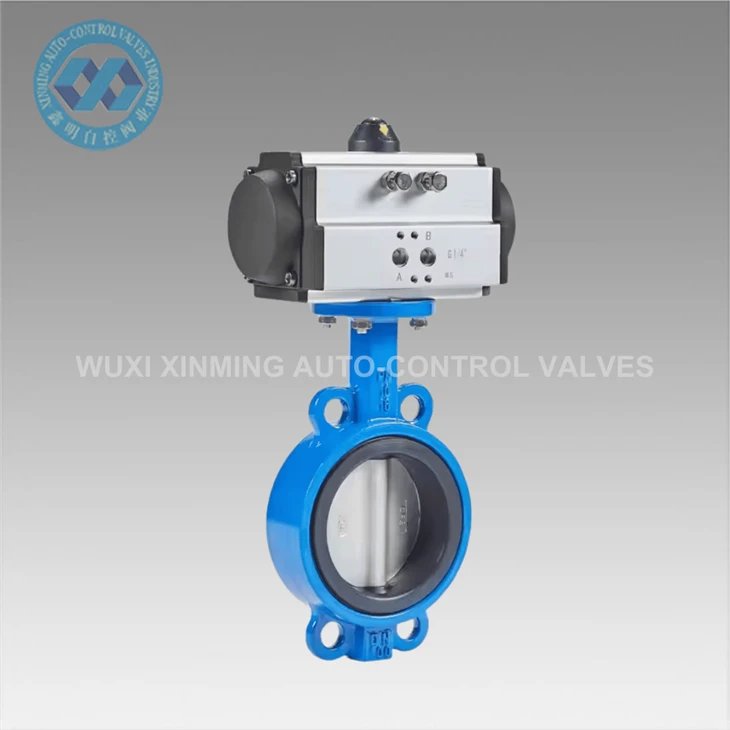
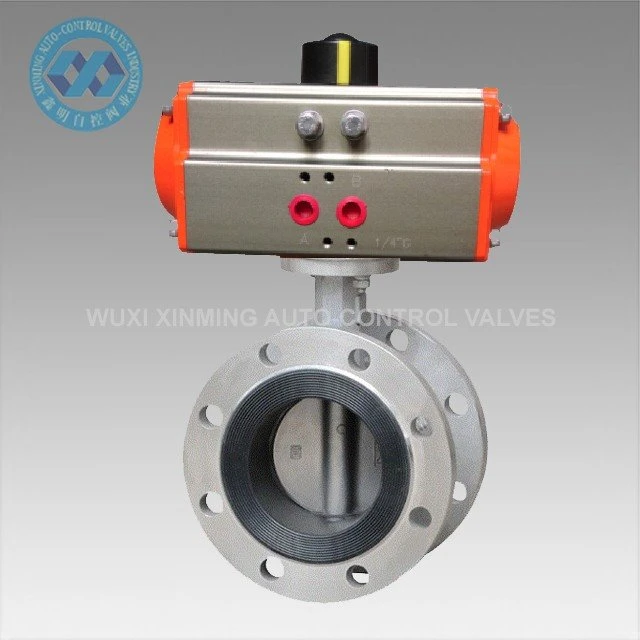
At our company, we offer a wide range of high-quality butterfly valves, including Actuator Pneumatic Epdm Flange Butterfly Valve, Flange Butterfly Valve, and Stainless Steel SS304 316L Pneumatic Butterfly Valve Butterfly Valve. Our valves are designed and manufactured to the highest standards, ensuring reliable performance and long service life.
If you have any questions about checking the valve stem for wear or if you're interested in purchasing a butterfly valve, please don't hesitate to contact us. Our team of experts is always available to provide you with the information and support you need.
References
- Valve Manufacturers Association of America (VMAA). Valve Handbook.
- ASME B16.34 - Valves - Flanged, Threaded, and Welding End.
- API 609 - Butterfly Valves, Double Flanged, Lug - Type, and Wafer - Type.