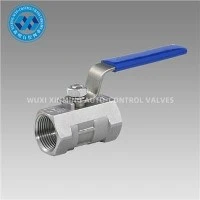
As a trusted supplier of butterfly valves, I understand the importance of proper maintenance and cleaning to ensure the optimal performance and longevity of these essential components. In this blog post, I will share a comprehensive guide on how to clean a butterfly valve effectively. Whether you're a professional in the industry or a DIY enthusiast, these steps will help you keep your butterfly valves in top condition.
Understanding the Butterfly Valve
Before diving into the cleaning process, it's crucial to have a basic understanding of how a butterfly valve works. A butterfly valve is a quarter-turn valve that uses a disc to control the flow of fluid or gas through a pipe. The disc is mounted on a shaft and rotates within the valve body to open or close the passageway. Butterfly valves are commonly used in various industries, including water treatment, chemical processing, and HVAC systems.
Preparing for Cleaning
Before you start cleaning the butterfly valve, it's important to take some safety precautions. First, make sure the valve is in the closed position and the system is depressurized. This will prevent any accidental release of fluid or gas during the cleaning process. Additionally, wear appropriate personal protective equipment (PPE), such as gloves and safety glasses, to protect yourself from any potential hazards.
Gather the necessary cleaning tools and materials, including a soft brush, a cleaning solution, and a clean cloth. The cleaning solution should be compatible with the valve materials and the type of fluid or gas it handles. For example, if the valve is used in a water treatment system, a mild detergent or a specialized valve cleaner may be suitable.
Disassembling the Butterfly Valve
If the valve needs a thorough cleaning, you may need to disassemble it. However, this step should only be performed if you have the necessary skills and experience. Before disassembling the valve, take note of the position and orientation of each component to ensure proper reassembly.
To disassemble the butterfly valve, start by removing the actuator or any other accessories attached to the valve. Then, loosen the bolts or nuts that hold the valve body together. Carefully separate the valve body into two halves, taking care not to damage the disc or the seals.
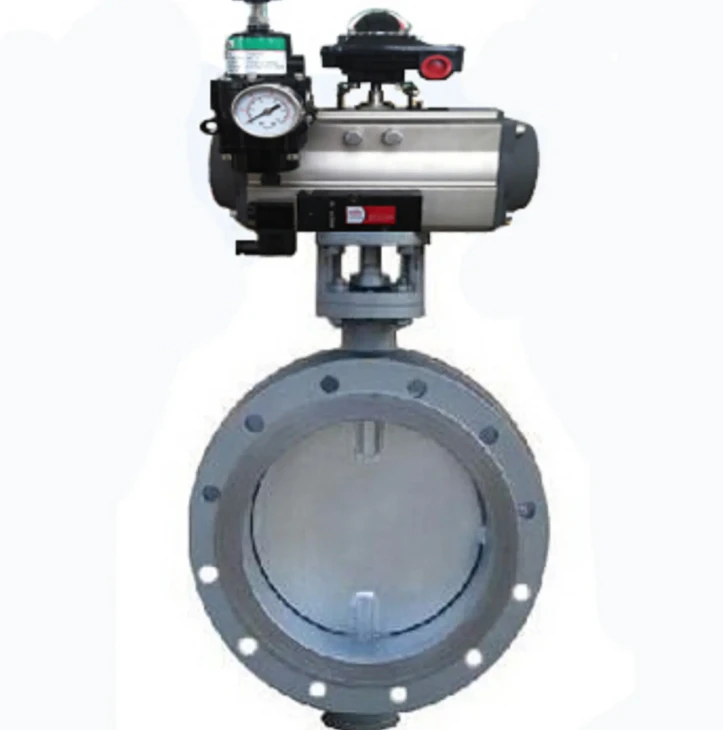
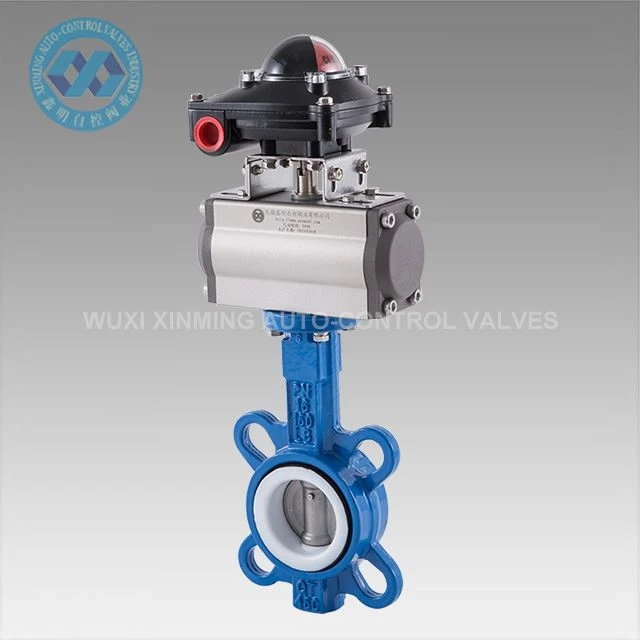
Cleaning the Valve Components
Once the valve is disassembled, you can start cleaning the individual components. Begin by using a soft brush to remove any dirt, debris, or buildup from the valve body, disc, and seals. Pay special attention to the areas around the disc and the seat, as these are the areas where most of the buildup occurs.
Next, soak the components in the cleaning solution for a few minutes to loosen any stubborn dirt or grime. You can use a brush to gently scrub the components to remove any remaining debris. Rinse the components thoroughly with clean water to remove the cleaning solution.
Inspecting the Valve Components
After cleaning the valve components, it's important to inspect them for any signs of damage or wear. Check the disc for any cracks, chips, or warping. Inspect the seals for any signs of deterioration or damage. If any components are damaged, they should be replaced to ensure the proper functioning of the valve.
Reassembling the Butterfly Valve
Once the components are clean and inspected, you can start reassembling the valve. Carefully place the disc back into the valve body, making sure it is properly aligned. Then, reassemble the valve body and tighten the bolts or nuts to the recommended torque.
Finally, reinstall the actuator or any other accessories that were removed earlier. Make sure the valve is properly connected to the system and test it to ensure it is functioning correctly.
Tips for Maintaining a Clean Butterfly Valve
In addition to regular cleaning, there are several other steps you can take to maintain a clean and efficient butterfly valve. Here are some tips:
- Regular Inspections: Conduct regular inspections of the valve to check for any signs of damage or wear. This will help you identify and address any issues before they become major problems.
- Proper Lubrication: Lubricate the valve components regularly to ensure smooth operation and prevent corrosion. Use a lubricant that is compatible with the valve materials and the type of fluid or gas it handles.
- Avoid Over-Tightening: When tightening the bolts or nuts on the valve, make sure not to over-tighten them. Over-tightening can cause damage to the valve components and lead to leaks.
- Use the Right Tools: Use the right tools for the job to avoid damaging the valve components. For example, use a torque wrench to tighten the bolts or nuts to the recommended torque.
Conclusion
Cleaning a butterfly valve is an important part of maintaining its performance and longevity. By following the steps outlined in this guide, you can ensure that your butterfly valve is clean, efficient, and functioning properly. Remember to take the necessary safety precautions and use the right tools and materials for the job.
If you're in the market for high-quality butterfly valves, we offer a wide range of options to meet your needs. Check out our Factory-direct Pneumatic Double Eccentric Flange Butterfly Valve, DN25 Pneumatic Dust Aluminum Butterfly Valve, and Pneumatic Actuator Wafer Butterfly Valve. Contact us today to discuss your requirements and explore our product offerings.