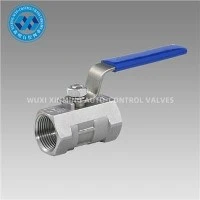
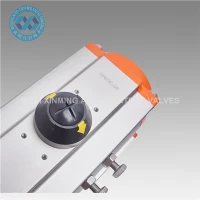
Hey there! As a supplier of flange ball valves, I often get asked about the differences between pneumatic and electric actuators for these valves. So, I thought I'd take a moment to break it down for you.
What Are Actuators Anyway?
First off, let's talk about what actuators do. In the world of flange ball valves, an actuator is like the muscle that makes the valve open and close. It's the part that takes the control signal and turns it into physical movement. Without an actuator, our valves would just be static pieces of hardware.
Pneumatic Actuators
Pneumatic actuators use compressed air to generate the force needed to operate the valve. They're pretty common in industrial settings, and for good reason.
Advantages
- Speed and Responsiveness: Pneumatic actuators are known for their quick action. They can open or close a valve in a matter of seconds, which is great for applications where rapid changes in flow are needed. For example, in a chemical processing plant, you might need to shut off a valve immediately if there's a problem. A pneumatic actuator can do that in a flash.
- Simplicity: These actuators are relatively simple in design. They have fewer moving parts compared to electric actuators, which means less maintenance and a lower risk of breakdowns. If you're in an environment where reliability is key, pneumatic actuators are a solid choice.
- Safety: Since they run on compressed air, there's no risk of electrical sparks. This makes them suitable for use in hazardous areas, such as oil refineries or mines, where a spark could cause an explosion.
Disadvantages
- Limited Control Precision: While pneumatic actuators are fast, they can be a bit less precise when it comes to positioning the valve. They're great for on/off applications, but if you need to control the flow rate with a high degree of accuracy, they might not be the best option.
- Air Supply Requirements: Pneumatic actuators need a reliable source of compressed air. This means you'll need to have an air compressor and a network of air lines set up. If there's a problem with the air supply, the actuator won't work properly.
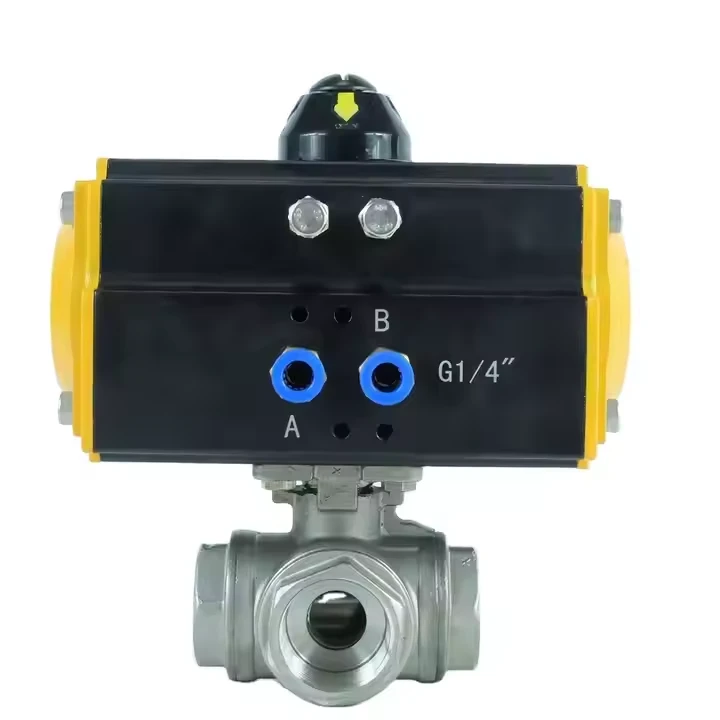
Some of our pneumatic valve products include the Intelligent-driven Double-acting Pneumatic Plastic Actuator Ball Valve For Precise Opening Control, the Pneumatic Ball Valve For Precision Control And Industrial Flow Regulation, and the Pneumatic Actuator Y Type Three Way Ball Valve.
Electric Actuators
Electric actuators, on the other hand, use electricity to power the valve operation. They've been gaining popularity in recent years, especially in applications where precision is crucial.

Advantages
- Precision Control: Electric actuators offer excellent control over the valve position. You can set them to open or close the valve to a specific degree, which is great for applications where you need to regulate the flow rate precisely. For example, in a water treatment plant, you might need to control the flow of chemicals into the water with a high level of accuracy.
- Flexibility: These actuators can be easily integrated with control systems. You can connect them to a computer or a programmable logic controller (PLC) to automate the valve operation. This makes them ideal for complex industrial processes.
- No Air Supply Needed: Unlike pneumatic actuators, electric actuators don't require a compressed air supply. This can simplify the installation and maintenance process, especially in areas where an air compressor isn't practical.
Disadvantages
- Slower Operation: Electric actuators tend to be slower than pneumatic actuators. They might take a few seconds to open or close the valve, which could be a problem in applications where rapid response is needed.
- Electrical Safety Concerns: Since they run on electricity, there's a risk of electrical shock if they're not installed and maintained properly. In hazardous environments, special precautions need to be taken to ensure safety.
Which One Should You Choose?
So, how do you decide between a pneumatic and an electric actuator for your flange ball valve? Well, it really depends on your specific application.
If you need a fast-acting valve for on/off applications in a hazardous environment, a pneumatic actuator is probably the way to go. On the other hand, if you need precise control over the valve position and want to integrate it with a control system, an electric actuator might be a better choice.
Contact Us for More Information
If you're still not sure which actuator is right for your needs, or if you have any other questions about our flange ball valves, don't hesitate to reach out. We're here to help you find the perfect solution for your application. Whether you're looking for a pneumatic or an electric actuator, we've got you covered.