Hey there! As a supplier of pneumatic actuators, I'm often asked how to connect a pneumatic actuator to a control system. It might sound complicated, but it's actually not that hard once you get the hang of it. In this blog, I'll walk you through the whole process step - by - step.
Understanding the Basics
Before we dive into the connection process, let's quickly go over what a pneumatic actuator is. A pneumatic actuator is a device that uses compressed air to create mechanical motion. This can be linear or rotary, depending on the type of actuator.
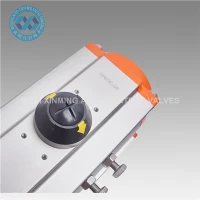
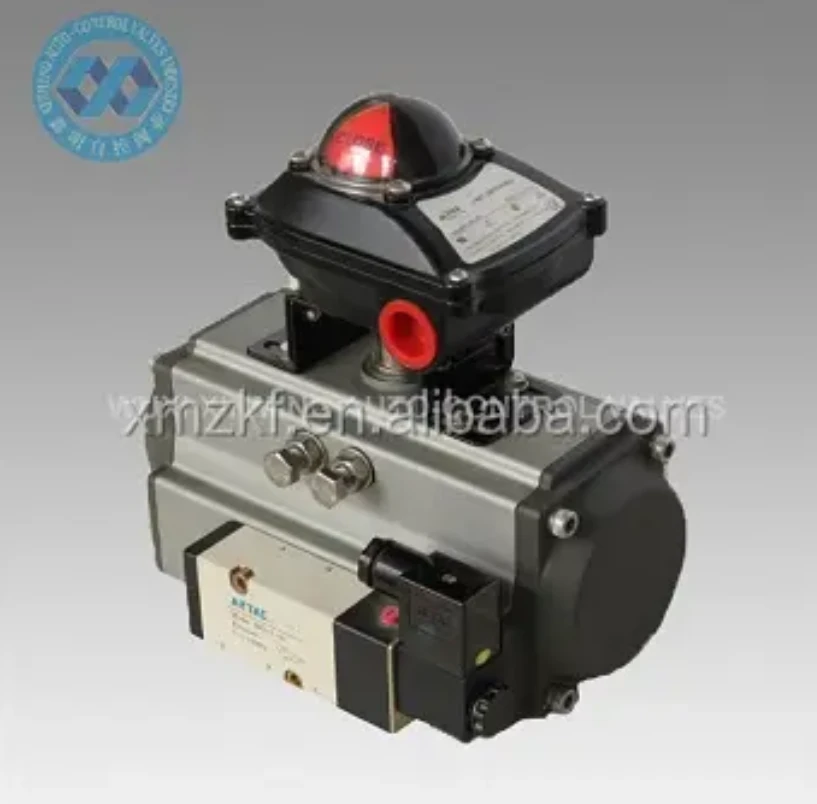
We offer a wide range of pneumatic actuators, including Spring Return Pneumatic Rotary Actuator. These actuators are great because they can return to their original position automatically when the air pressure is removed. Another popular option is our Carbon Steel Stainless Steel High Quality Pneumatic Actuator. With high - quality materials, they are durable and reliable. And for those who need more advanced features, our Valve Airtac Pneumatic Cylinder Actuator With Actuator Position Indicator And Airtac Solenoid Valve provides accurate position control.
Prerequisites for Connection
First things first, you'll need to gather the necessary tools and materials. You'll need a pneumatic actuator, of course, along with a control system. The control system could be as simple as a basic on - off switch or as complex as a programmable logic controller (PLC).
You'll also need some fittings to connect the actuator to the air supply and the control system. Make sure you have the right size and type of fittings for your specific actuator and control system. A tube cutter and a wrench are also essential tools for installing the fittings and tubing.
Step 1: Prepare the Actuator
The first step is to check the actuator for any damage during shipping or storage. Look for any cracks, dents, or signs of corrosion. If everything looks good, clean the actuator ports with a clean, dry cloth to remove any dirt or debris.
Next, you need to identify the air inlet and outlet ports on the actuator. Usually, the air inlet port is where the compressed air enters the actuator, and the outlet port is where the air exits. The markings on the actuator should tell you which is which.
Step 2: Connect the Air Supply
Now it's time to connect the actuator to the air supply. First, connect one end of the pneumatic tubing to the main air supply line. Use the appropriate fitting to ensure a tight seal. You can use a wrench to tighten the fitting, but be careful not to over - tighten, as this can damage the fitting or the tubing.

Then, connect the other end of the tubing to the air inlet port on the actuator. Again, make sure the connection is secure. You might want to use some thread sealant on the fitting threads to prevent air leaks.
Step 3: Connect the Actuator to the Control System
There are different ways to connect the actuator to the control system, depending on the type of control system you're using.
If You're Using a Simple Switch
If you're using a basic on - off switch, you'll need to use a solenoid valve. The solenoid valve acts as a switch for the compressed air. Connect the solenoid valve to the control switch using electrical wires. Make sure the wiring is correct and that the connections are secure.
Then, connect the solenoid valve to the air supply line and the actuator. The solenoid valve will control when the compressed air is allowed to enter the actuator. When you turn the switch on, the solenoid valve will open, allowing air into the actuator and causing it to move. When you turn the switch off, the solenoid valve will close, stopping the air flow.
If You're Using a PLC
If you're using a PLC, the process is a bit more involved. First, you'll need to connect the PLC to the solenoid valve using appropriate electrical cables. The PLC will send signals to the solenoid valve to control its opening and closing.
You'll also need to program the PLC to send the right signals at the right times. This requires some knowledge of programming languages like ladder logic. If you're not familiar with PLC programming, you might want to consult an expert.
Step 4: Test the Connection
Once you've made all the connections, it's time to test the system. Before you start, make sure all the fittings are tight and there are no air leaks. You can use a soapy water solution to check for leaks. If you see any bubbles forming around a fitting, it means there's a leak, and you need to tighten the fitting or replace the seal.
Turn on the air supply and test the actuator using the control system. See if the actuator moves correctly according to the signals from the control system. If there are any problems, such as the actuator not moving or moving incorrectly, check the connections and the settings on the control system.
Step 5: Troubleshooting
If you encounter any issues during the testing phase, don't panic. Here are some common problems and their solutions:
- No movement: Check if the air supply is working correctly and if there are any blockages in the tubing or the actuator ports. Also, make sure the solenoid valve is opening and closing properly.
- Erratic movement: This could be due to air leaks or incorrect pressure settings. Check for leaks and adjust the pressure regulator if necessary.
- Overheating: If the actuator is overheating, it could be due to excessive friction or a problem with the air flow. Check the actuator for any signs of damage or obstruction.
Wrapping Up
Connecting a pneumatic actuator to a control system might seem like a daunting task at first, but with the right tools, knowledge, and a bit of patience, you can do it successfully.
If you have any questions or need more information about our pneumatic actuators, feel free to reach out. We're always here to help you find the right solution for your application. Whether you're working on a small DIY project or a large industrial installation, our high - quality pneumatic actuators are designed to meet your needs.
If you're interested in purchasing our pneumatic actuators or want to discuss your specific requirements, don't hesitate to get in touch. We can offer you the best advice and provide you with high - performance products at a reasonable price. Start your next project with confidence using our reliable pneumatic actuators.