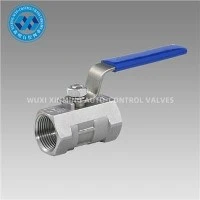
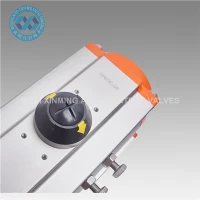
Hey there! As a supplier of Lug Butterfly Valves, I've seen my fair share of valve issues over the years. Today, I'm gonna walk you through how to handle a damaged Lug Butterfly Valve. Whether you're a maintenance pro or just someone who's stumbled upon a problem valve, this guide'll give you the lowdown on what to do.
Identifying the Damage
The first step in handling a damaged Lug Butterfly Valve is to figure out what's wrong. There are a few common types of damage that you might encounter.
Leaks
Leaks are one of the most obvious signs of a problem. You might notice water or other fluids seeping out around the valve body or through the seals. Leaks can be caused by a variety of factors, including worn-out seals, loose bolts, or damage to the valve disc.
Corrosion
Corrosion is another common issue, especially in valves that are exposed to harsh environments or corrosive substances. Over time, corrosion can eat away at the valve body, seals, and other components, leading to leaks and reduced performance.
Physical Damage
Physical damage can occur due to improper installation, over-tightening of bolts, or impact from other objects. This can include cracks in the valve body, bent valve discs, or damaged stem connections.
Operational Issues
Sometimes, the valve might not be operating correctly, even if there's no obvious physical damage. This could be due to issues with the actuator, such as a malfunctioning motor or a stuck gear. It could also be caused by problems with the control system, such as incorrect settings or a faulty sensor.

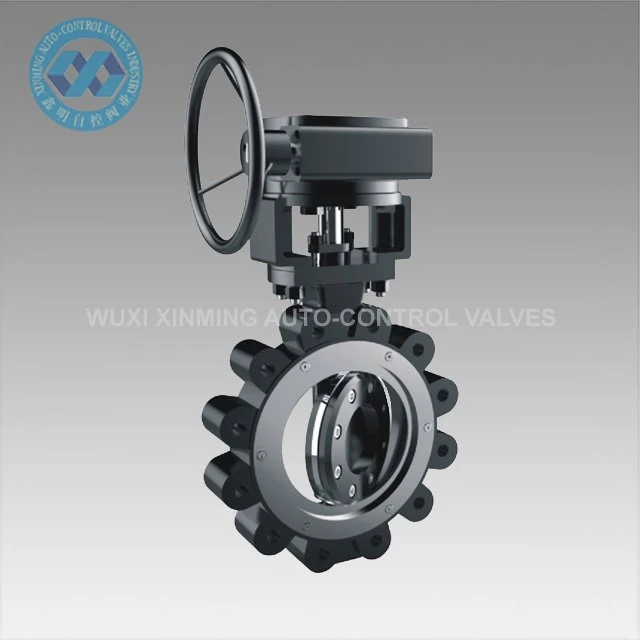
Assessing the Severity of the Damage
Once you've identified the damage, the next step is to assess how severe it is. This'll help you determine whether the valve can be repaired or if it needs to be replaced.
Minor Damage
If the damage is minor, such as a small leak or a bit of surface corrosion, it might be possible to repair the valve. Minor leaks can often be fixed by tightening the bolts or replacing the seals. Surface corrosion can be removed by sanding or using a chemical cleaner, and then the valve can be repainted or coated to prevent further corrosion.
Moderate Damage
Moderate damage, such as a bent valve disc or a damaged stem connection, might require more extensive repairs. In some cases, it might be possible to straighten the disc or replace the damaged components. However, if the damage is too severe, it might be more cost-effective to replace the valve.
Severe Damage
Severe damage, such as a cracked valve body or a completely malfunctioning actuator, usually means that the valve needs to be replaced. Trying to repair a severely damaged valve can be dangerous and might not be worth the time and money.
Repairing a Damaged Lug Butterfly Valve
If you've determined that the valve can be repaired, here are the steps you'll need to follow:
Gather the Necessary Tools and Materials
Before you start the repair process, make sure you have all the tools and materials you'll need. This might include wrenches, screwdrivers, sealants, replacement seals, and any other components that need to be replaced.
Isolate the Valve
Before you start working on the valve, make sure it's isolated from the system. This means shutting off the flow of fluid to the valve and relieving any pressure in the system. You might need to close other valves or turn off pumps to do this.
Disassemble the Valve
Once the valve is isolated, you can start disassembling it. Carefully remove the bolts, nuts, and other fasteners, and then separate the valve body from the pipeline. Be sure to keep track of all the components and lay them out in an organized manner so you can put them back together correctly.
Inspect the Components
Once the valve is disassembled, inspect each component carefully for damage. Look for signs of wear, corrosion, cracks, or other issues. If you find any damaged components, mark them for replacement.
Clean the Components
Before you start reassembling the valve, clean all the components thoroughly. Use a degreaser or a cleaning solution to remove any dirt, grime, or debris. Make sure to dry the components completely before moving on to the next step.
Replace the Damaged Components
If you found any damaged components during the inspection, replace them with new ones. Make sure to use the correct size and type of components for your valve. Follow the manufacturer's instructions for installing the new components.
Reassemble the Valve
Once all the damaged components have been replaced, you can start reassembling the valve. Carefully put the components back together in the correct order, and tighten the bolts and nuts to the recommended torque settings.
Test the Valve
After the valve is reassembled, test it to make sure it's working correctly. Slowly open and close the valve a few times to check for any leaks or operational issues. If everything seems to be working okay, you can reconnect the valve to the system and restore the flow of fluid.
Replacing a Damaged Lug Butterfly Valve
If the damage to the valve is too severe to repair, or if it's more cost-effective to replace the valve, here are the steps you'll need to follow:
Select the Right Replacement Valve
When choosing a replacement valve, make sure it's the right size, type, and pressure rating for your application. You might also want to consider features such as the material of the valve body, the type of actuator, and the sealing mechanism. Check out our Electrical Butterfly Valve, Penumatic Actuator Ductile Iron Wafer Butterfly Valve, and Triple Eccentric Butterfly Valve for some great options.
Isolate the Old Valve
Before you start removing the old valve, make sure it's isolated from the system. This means shutting off the flow of fluid to the valve and relieving any pressure in the system. You might need to close other valves or turn off pumps to do this.
Remove the Old Valve
Once the old valve is isolated, carefully remove it from the pipeline. Use a wrench or a socket set to loosen the bolts and nuts, and then separate the valve body from the pipeline. Be sure to keep track of all the components and lay them out in an organized manner so you can dispose of them properly.
Install the New Valve
Once the old valve is removed, you can start installing the new valve. Carefully position the new valve in the pipeline, and align the bolt holes with the flange on the pipeline. Insert the bolts and nuts, and tighten them to the recommended torque settings.
Test the New Valve
After the new valve is installed, test it to make sure it's working correctly. Slowly open and close the valve a few times to check for any leaks or operational issues. If everything seems to be working okay, you can restore the flow of fluid to the system.
Preventing Future Damage
To prevent future damage to your Lug Butterfly Valves, here are some tips:
Proper Installation
Make sure the valves are installed correctly, following the manufacturer's instructions. This includes using the correct torque settings for the bolts, aligning the valve properly, and using the right type of gaskets and seals.
Regular Maintenance
Perform regular maintenance on the valves, including inspections, cleaning, and lubrication. This'll help identify and address any potential issues before they become major problems.
Use the Right Valve for the Application
Make sure you're using the right type of valve for your application. Consider factors such as the type of fluid, the pressure and temperature of the system, and the flow rate.
Protect the Valves from Harsh Environments
If the valves are exposed to harsh environments or corrosive substances, take steps to protect them. This might include using protective coatings, enclosures, or covers.
Conclusion
Handling a damaged Lug Butterfly Valve can be a bit of a challenge, but with the right knowledge and tools, it's definitely doable. Whether you're able to repair the valve or need to replace it, following the steps outlined in this guide will help you get the job done safely and effectively. And if you have any questions or need help choosing the right valve for your application, don't hesitate to reach out. We're here to help you with all your valve needs and look forward to discussing potential procurement opportunities with you.
References
- Valve Manufacturer's Manuals
- Industry Standards and Guidelines